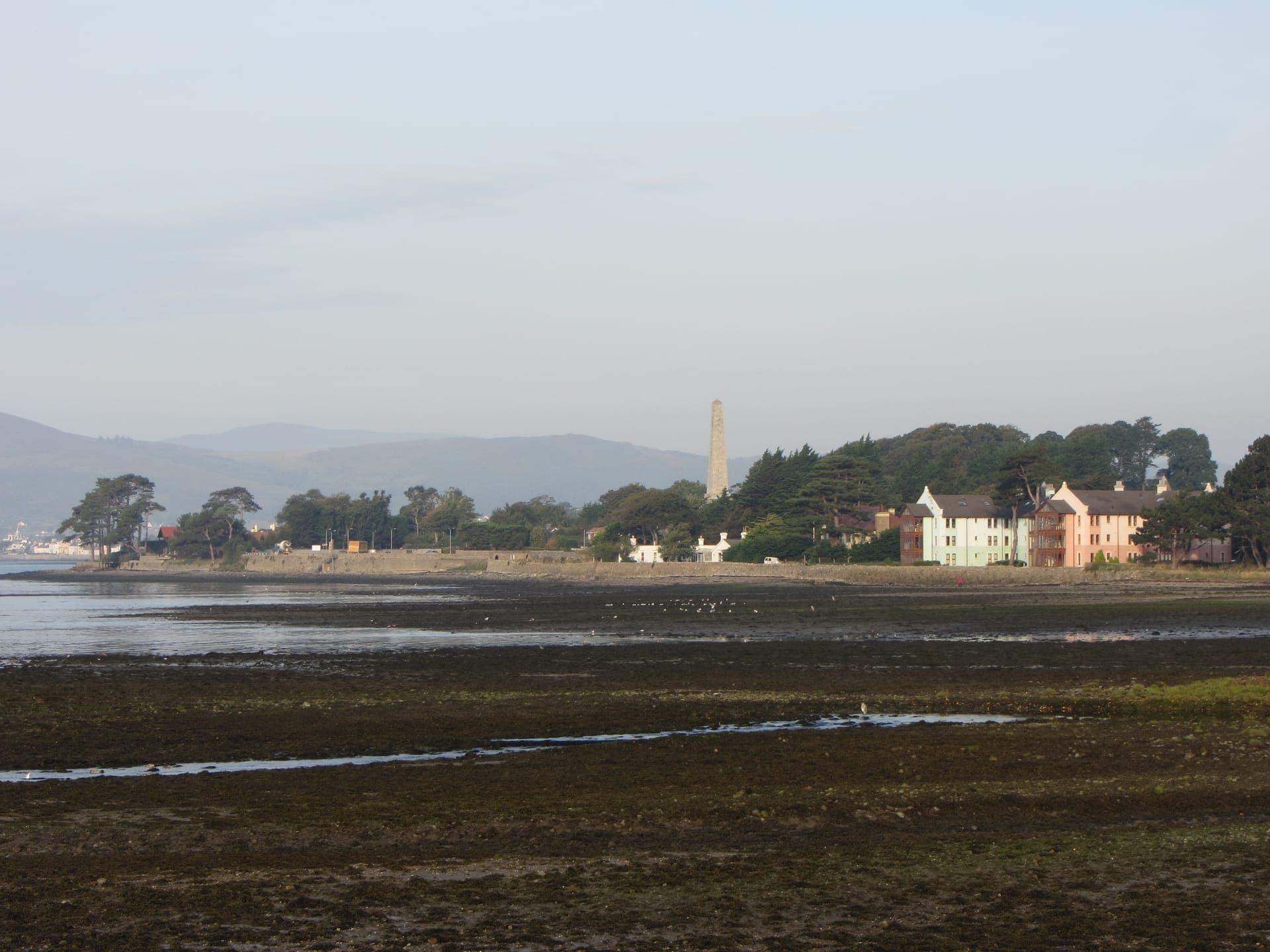
18 Boatloads a Month: The Granite That Paved Britain
Mountains turned to streets. A tiny harbour on the Mourne coast shipped the stone that paved Liverpool, London, Belfast and Manchester.
Location
Annalong Harbour & Cornmill
Cornmill Open
April–September
Heritage
Early 1800s watermill
Peak Output
18 boatloads per month
Time Needed
1–1.5 hours
The Story
Mountain Into Stone
The Mourne Mountains are made of granite. Hard, grey, speckled with mica — the same stone that forms their summits and fills their riverbeds. For centuries it was just landscape. Then, in the 19th century, someone worked out that this stone was worth a fortune, and that the little harbour at Ath an Locha (Annalong — ‘the ford of the lake’) was the perfect place to ship it from.
Quarries opened in the foothills above the village. Men split granite from the mountainside using hand drills and wedges, shaping it into setts, kerbstones, and dressed blocks. The stone was hauled down to the harbour by horse and cart, loaded onto flat-bottomed boats, and shipped across the Irish Sea.
“Eighteen boatloads a month. That’s how much mountain they were shipping out of this tiny harbour at the peak.”
The Scale of It
At the peak of operations, 18 boatloads of granite left Annalong every month. The stone paved the streets of Liverpool, the kerbs of London, the roads of Belfast and Manchester. It built the plinths of the Albert Memorial. It faced the walls of Stormont, the seat of Northern Ireland’s parliament. A. Robinson & Son of Annalong were among the major operators, and the work employed dozens of quarrymen, stone cutters, carters, and boatmen.
Think about the arithmetic. A small coastal village, a harbour you could throw a stone across, and yet every month enough granite left this place to pave whole city blocks. The mountains above grew fractionally smaller. The cities across the water grew fractionally larger. Annalong was the hinge between the two.
“It paved the streets of Liverpool and London. It built the walls of Stormont. All of it shipped from a harbour you could throw a stone across.”
When the Stone Stopped Moving
Concrete arrived. Then tarmac. By the early 20th century, the demand for dressed granite was falling fast. The quarries above Annalong fell quiet one by one. The boats stopped loading. The harbour that had hummed with activity for decades slipped into a gentler life — fishing boats, lobster pots, the occasional pleasure craft.
But the evidence is still everywhere. Walk the harbour and look at the dressed stone of the quay walls — that’s Mourne granite, shaped by the same hands that shaped the kerbstones of Liverpool. The Annalong Cornmill, an early-1800s watermill with a 15-foot waterwheel and a 1920s Marshall engine, has been preserved and now houses a three-storey exhibition covering the milling, granite export, and stone-working heritage. It opens from April to September, and it is one of the most quietly rewarding small museums on the Mourne coast.
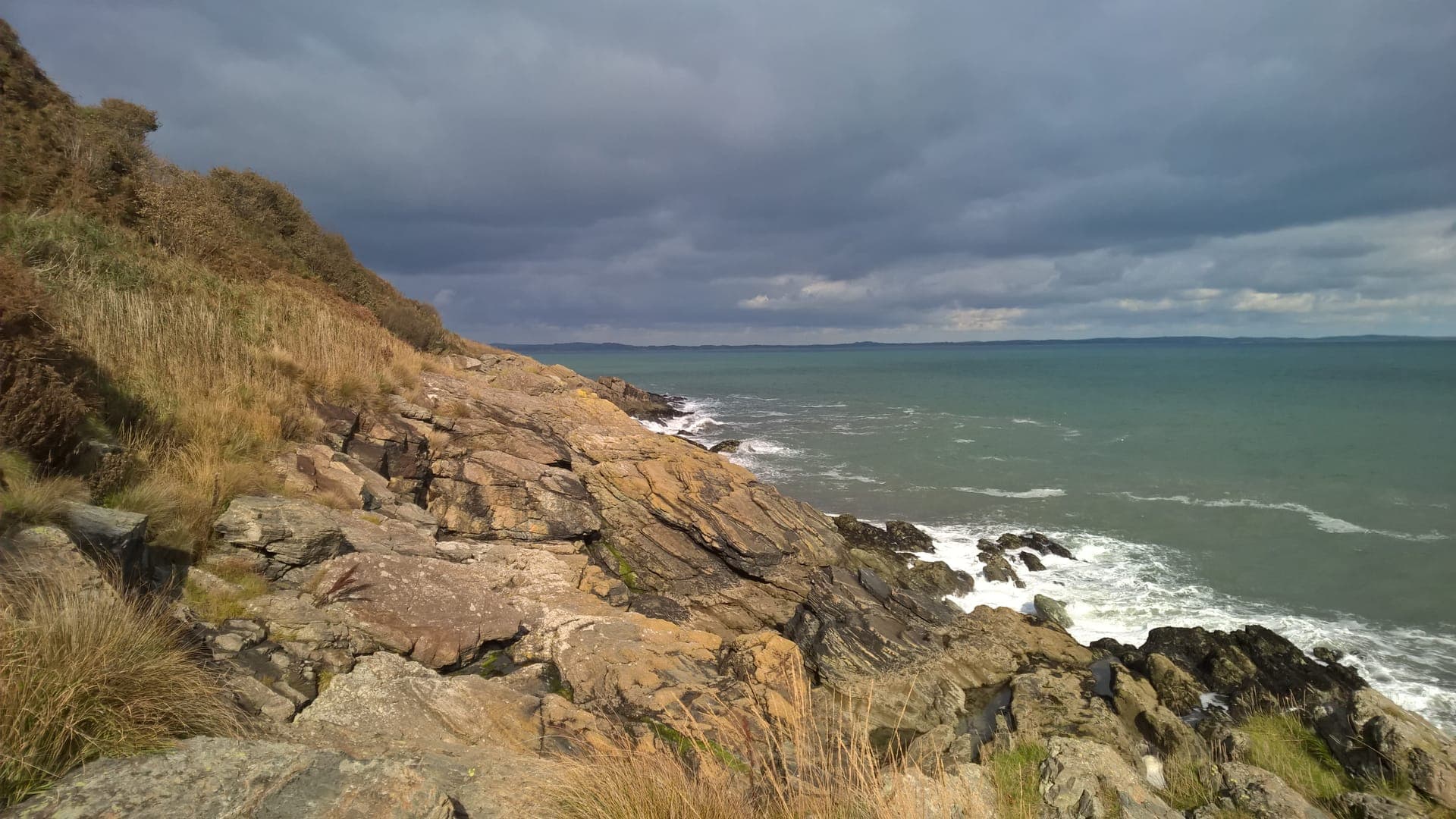
“The harbour that shipped mountains to cities now cradles lobster boats and silence. But the granite is still in the walls, if you know where to look.”
The Place
Loading map...
Annalong harbour and Cornmill on the southern Mourne coast, between Newcastle and Kilkeel.
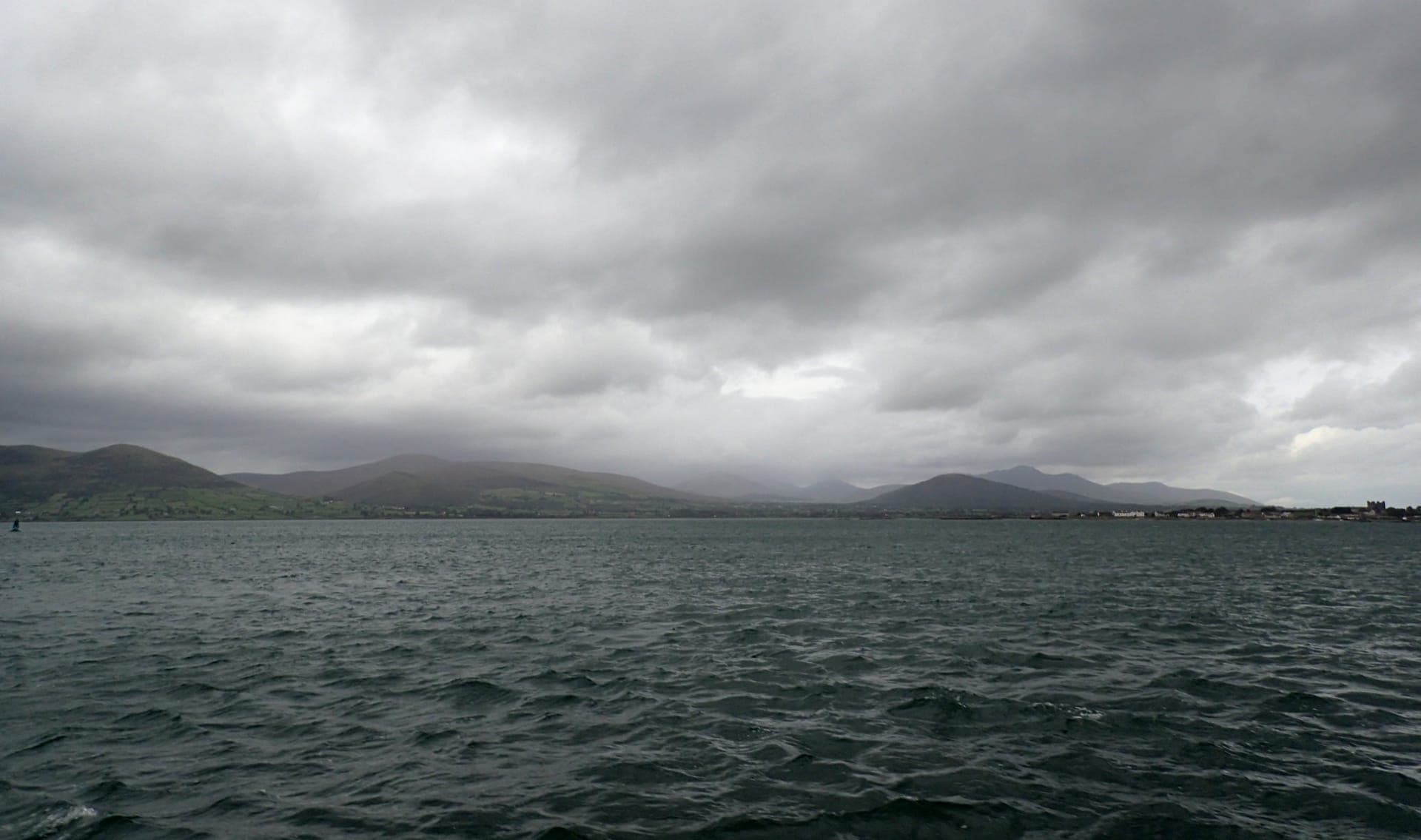
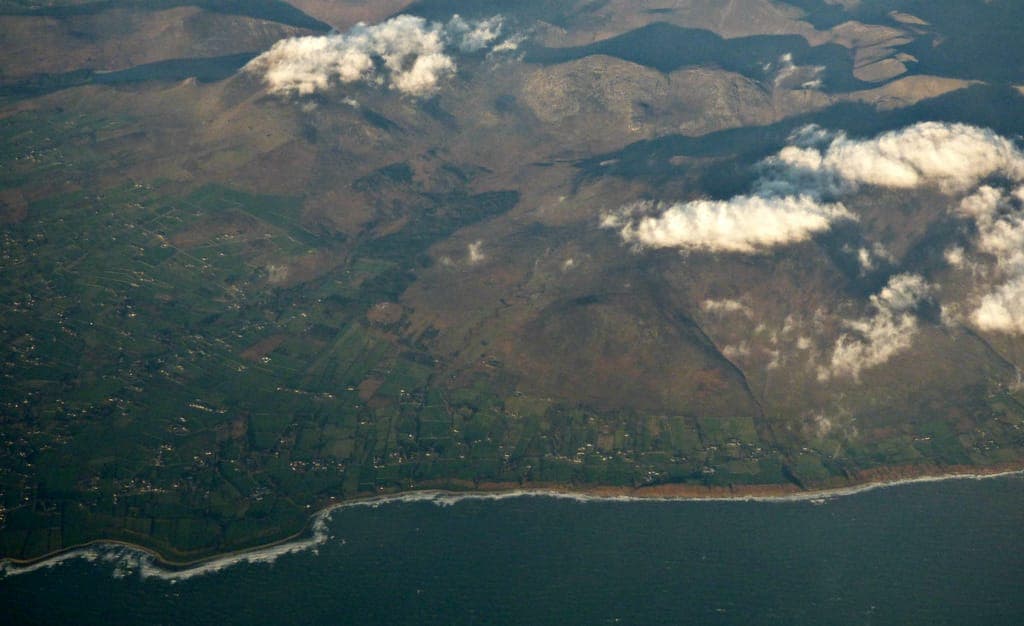
Annalong sits on the A2 coast road between Newcastle and Kilkeel, with the Mourne Mountains rising directly behind. The harbour and Cornmill are on the seaward side of the road, a short walk from the village centre. You can see both in under an hour, but you’ll want longer if you explore the Cornmill exhibitions properly.
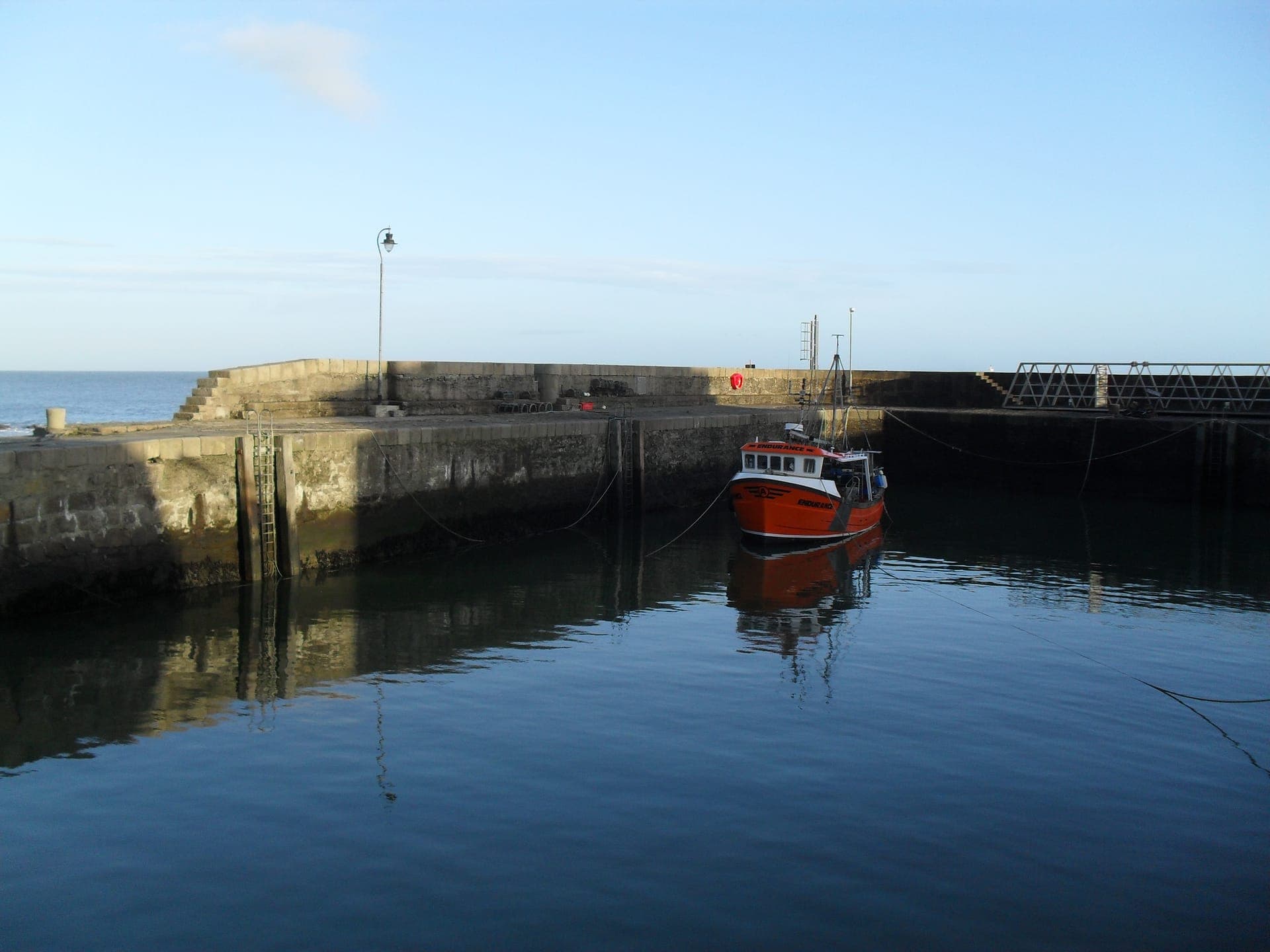
The harbour is small, stone-walled, and photogenic in any weather. At low tide you can walk along the granite quay and see the dressed stone that was once the village’s stock-in-trade. The Cornmill is directly adjacent — you’ll spot the 15-foot waterwheel before you reach the door.
Coordinates
Annalong Cornmill:
54.1095°N, 5.8930°W
Annalong Harbour:
54.1082°N, 5.8910°W
Parking
By car:
On the A2 coast road. Approximately 8 miles south of Newcastle, 5 miles north of Kilkeel. Free roadside parking near the harbour and Cornmill.
By bus:
The Ulsterbus 37/37A Newcastle–Kilkeel service stops in Annalong village.
The Visit
This is a gentle visit — no climbing, no special equipment. Walk the harbour, explore the Cornmill, and let the scale of what happened here sink in. A place this small sent stone to the biggest cities in Britain. That contrast is the whole story.
Annalong Cornmill
Open April to September. Three exhibition floors covering the milling industry, granite export trade, and the lives of the stone workers. The 15-foot waterwheel and 1920s Marshall engine are the centrepieces.
Annalong Harbour
Open year-round, free to visit. Walk the granite quay walls and imagine the flat-bottomed boats loading up for Liverpool. Best at low tide when you can see the full stonework of the harbour walls.
Duration
1–1.5 hours. Allow 1–1.5 hours to explore both the Cornmill and the harbour. Pair it with a drive along the A2 coast road for a full morning or afternoon.
Difficulty
Easy. The harbour is free and open year-round. The Cornmill is open April–September (check locally for exact hours). Small admission charge for the Cornmill. Fully accessible at ground level. Dogs welcome at the harbour.
What to Bring
What to Look For
- •The dressed granite of the harbour walls — the same craftsmanship that shaped kerbstones for Liverpool
- •The 15-foot waterwheel on the Cornmill — still intact and impressive
- •The 1920s Marshall engine inside the mill — industrial heritage in miniature
- •The mountains rising directly behind the village — the source of it all
- •Granite everywhere — in the walls, the roads, the field boundaries
The Annalong Cornmill. Three floors of exhibition covering milling, granite export, and the lives of the stone workers. The 15-foot waterwheel is reason enough to visit, but the granite story — the sheer scale of what came out of this tiny harbour — is what stays with you. Open April to September.
Make a Day of It
Annalong sits on one of the most scenic stretches of the Mourne coastal road. Combine the harbour and cornmill with the drive south to Kilkeel for fresh seafood, or head north toward Newcastle.
While You're Here
Three places worth exploring once you’ve visited.
More Stories to Discover
Every mountain, bridge, and ruin has a story. Here are a few more.
Discover
Discover More Stories
The Mourne coast is full of things that shaped a people — granite boats, herring fleets, and the harbour walls that held it all together.
Explore All Stories