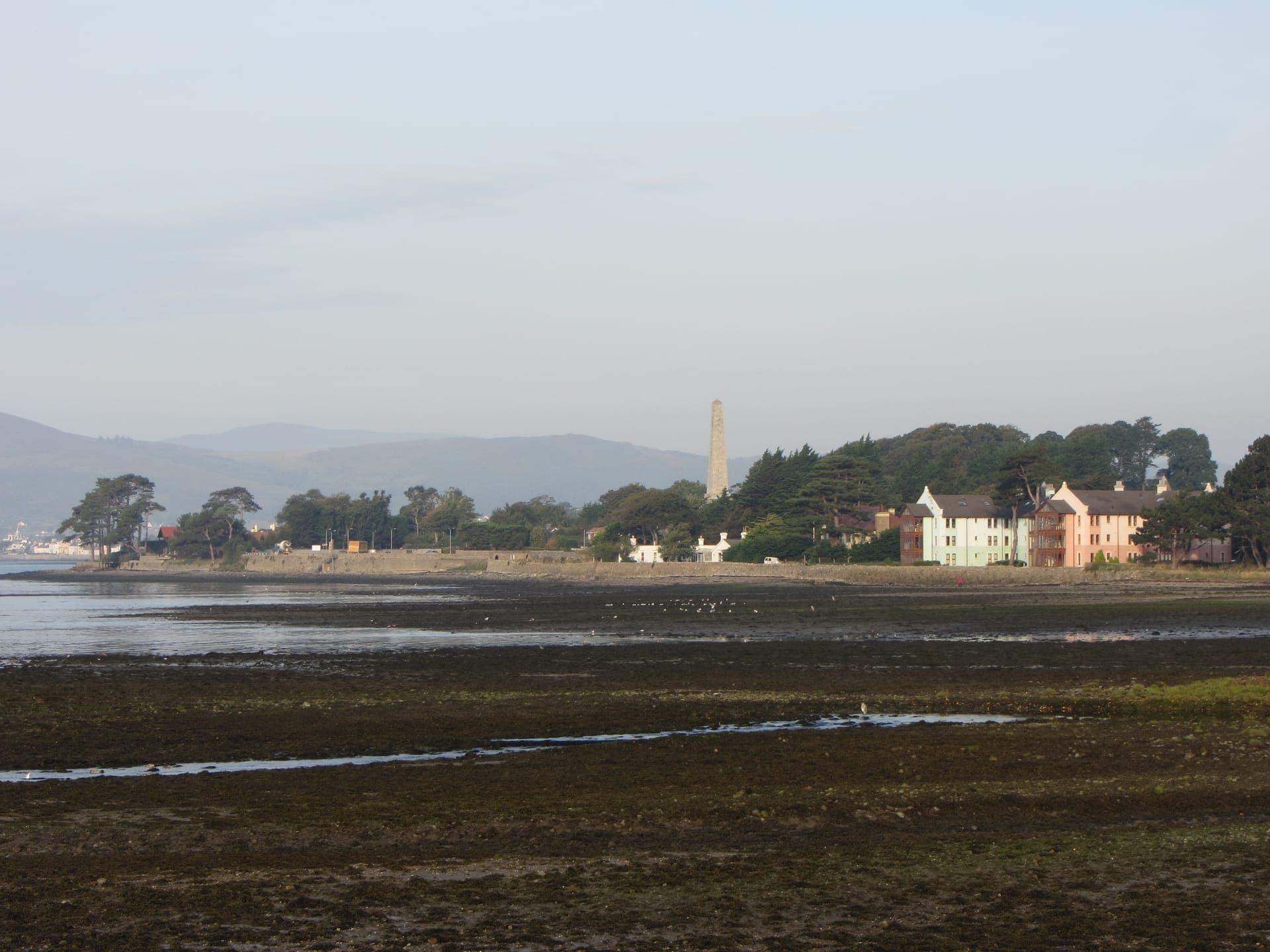
When a Third of Ireland’s Herring Came Through One Harbour
<em>Cill Chaoil</em> — ‘the narrow church.’ A harbour that fed a nation and never stopped working.
Location
Kilkeel Harbour, Co. Down
Time Needed
1–2 hours
Type
Working harbour & heritage
Best Season
Year-round (busiest mornings)
Parking
Free at harbour
The Story
The Golden Age of the Herring
In 1890, more than a third of every herring landed in Ireland came through one harbour: Cill Chaoil — Kilkeel. The quays reeked of salt and fish guts. Women gutted herring so fast their hands blurred. Carts queued through the town. The harbour never slept.
Kilkeel wasn’t chosen by accident. The town sits at the foot of the Mourne Mountains where the land drops sharply to the Irish Sea, and the seabed offshore is rich. Herring shoals moved predictably along the County Down coast, and the men of Cill Chaoil knew exactly when and where to find them. They went out in sailing drifters — open-decked boats that followed the shoals by night, guided by the phosphorescent glow the fish left in the water.
“In 1890, a third of all the herring landed in Ireland came through one harbour. The quays never slept.”
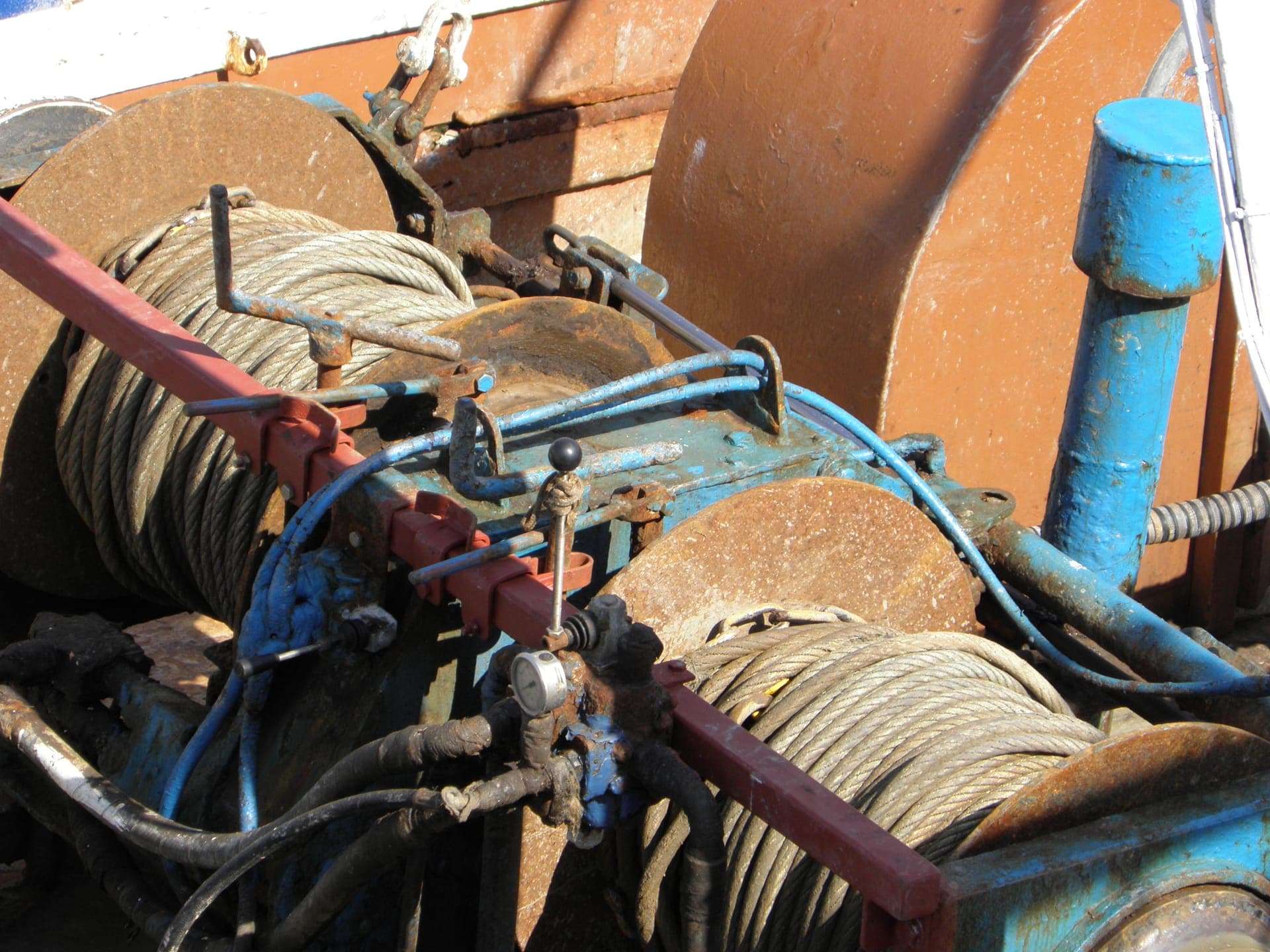
From Sail to Steel
The fleet evolved. Sailing drifters gave way to motor vessels in the early 20th century. By mid-century, pair-trawlers — two boats dragging a single net between them — had transformed the industry. The catches grew. The harbour expanded. In the 1990s, Kilkeel had more than 115 registered boats. It was one of the busiest fishing ports on the island.
Then came quotas, EU restrictions, declining stocks. The fleet shrank. But it didn’t disappear. The fishermen adapted, as they always had. The herring days were over, but the sea still gave. Today the fleet targets prawns, crab, and lobster — and Kilkeel remains, by a wide margin, the largest fishing port in Northern Ireland.
“The herring days are over. But the fleet adapted — prawns, crab, lobster. The harbour is still the largest in Northern Ireland, and the boats still go out.”
The Farmer Who Fished by Moonlight
For generations, the men of the Mourne coast lived a double life. By day they were farmers, working the thin soil on the mountain slopes above the sea. But when the herring ran, every man who owned a skiff was on the water. The whole coast turned seaward. Families packed barrels, mended nets, and salted fish by lamplight.
This dual identity — half-farmer, half-fisherman — shaped the entire coast. You can still see it in the landscape: the small fields running right to the cliff edge, the slipways cut into the rock, the stone stores where nets and gear were kept. The mountains didn’t just backdrop the harbour. They fed the same families who fished it.
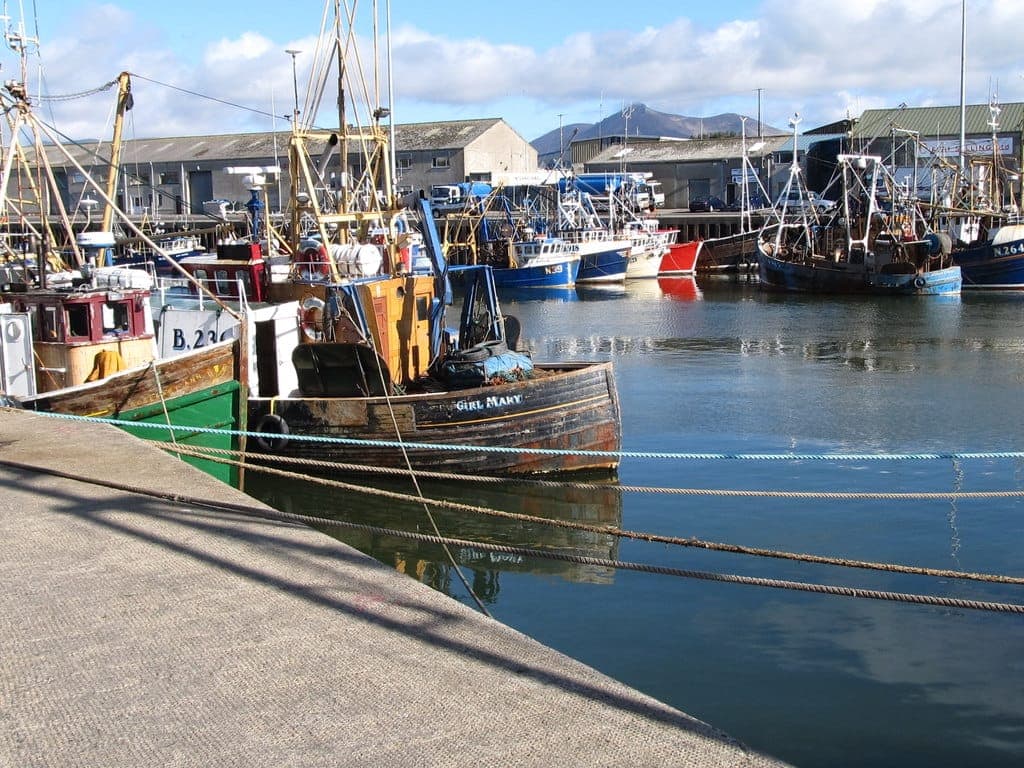
“By day they farmed the thin mountain soil. When the herring ran, every man with a skiff was on the water. The coast turned seaward.”
Not a Museum Piece
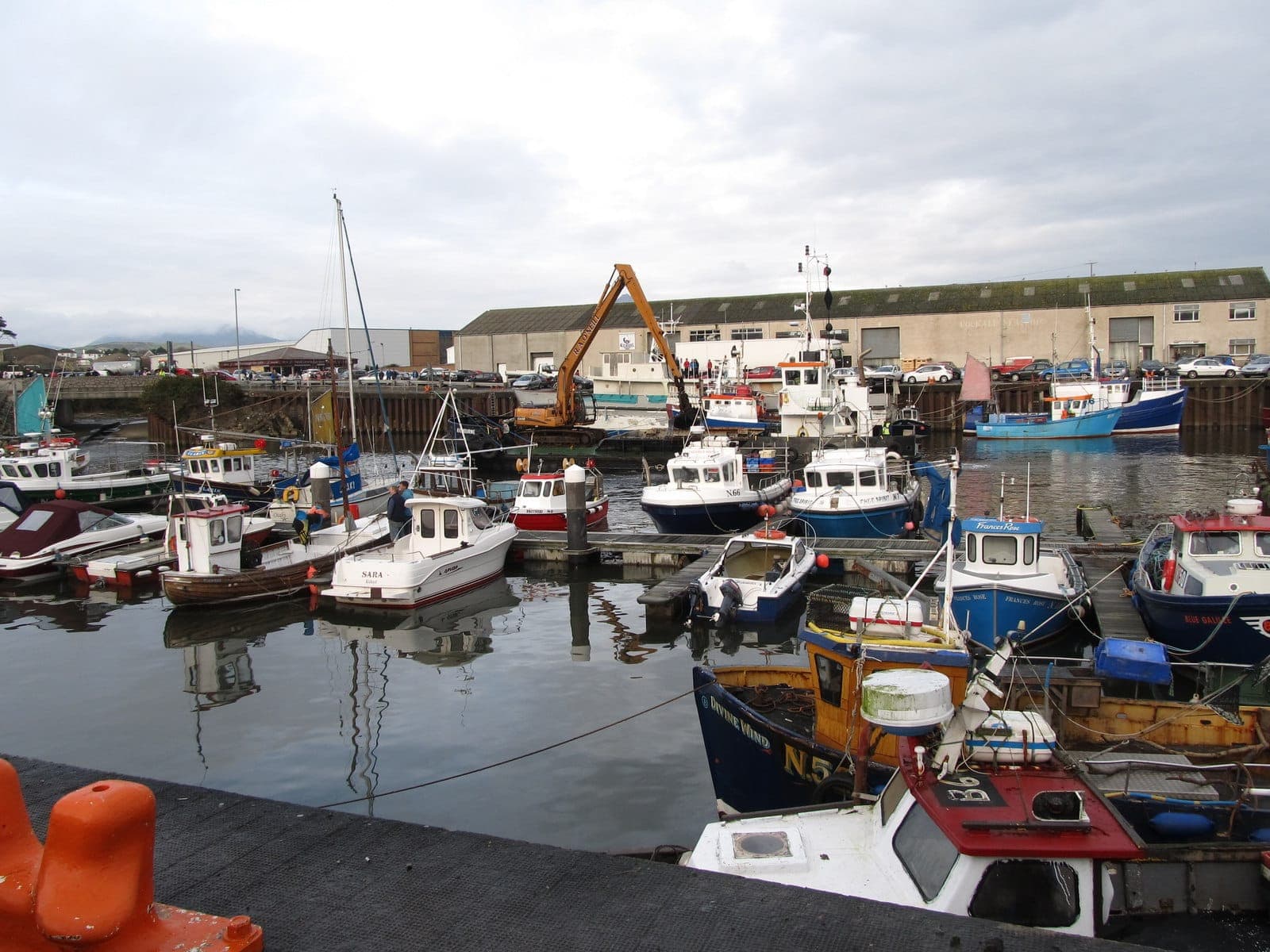
This is the thing about Kilkeel. It isn’t heritage in the tourist-board sense. The boats aren’t painted up for visitors. The harbour wall isn’t lined with gift shops. When you walk the quay early on a weekday morning, the trawlers are unloading, the forklifts are moving, and the air smells of salt, diesel, and fresh catch. The men working the boats are the grandsons and great-grandsons of the men who chased herring by the phosphorescent glow.
The Mourne Maritime Visitor Centre tells the full story through touch-screen heritage exhibitions and the Families at Sea Exhibition — documenting the histories of more than 20 local fishing families. It’s a place to understand not just what happened here, but what’s still happening. Kilkeel doesn’t need to be preserved. It’s alive.
The Place
Loading map...
Kilkeel Harbour sits at the southern foot of the Mourne Mountains, where the coast faces the Irish Sea.
<em>Cill Chaoil</em> — ‘the narrow church’ — sits on the southern Mourne coast, halfway between Newcastle and Warrenpoint. The harbour is right in the centre of town. You can’t miss it: just follow the masts.
The Mourne Maritime Visitor Centre is a short walk from the harbour, in the centre of Kilkeel. The harbour itself is freely accessible at all times — walk the quay walls, watch the boats, take in the scale of the fleet. Early mornings are best if you want to see the catch coming in.
Coordinates
Kilkeel Harbour:
54.0585°N, 5.9925°W
Maritime Visitor Centre:
54.0592°N, 5.9890°W
Parking
Harbour Car Park:
Free parking right beside the harbour. Plenty of space except during festival weekends.
Town Centre:
Additional free parking in Kilkeel town centre, a 2-minute walk from the harbour.
The Visit
Kilkeel Harbour isn’t a heritage attraction with a ticket desk. It’s a working port. The pleasure is in walking the quay walls, watching the boats, and understanding the scale of what’s been happening here for over a century. Then step inside the Maritime Centre for the full story.
Kilkeel Harbour
Walk the quay walls freely at any time. The harbour is busiest early on weekday mornings when the trawlers are landing their catch.
Mourne Maritime Visitor Centre
Touch-screen heritage exhibitions covering the fleet’s evolution from sailing drifters to modern trawlers. The Families at Sea Exhibition documents the stories of more than 20 local fishing families.
Duration
1–2 hours. Allow 1–2 hours to walk the harbour and visit the Maritime Centre. Add time for the town itself.
Difficulty
Easy. Flat harbour and town. No special footwear needed, though the quay can be slippery in wet weather.
What to Bring
- •This is a working harbour — stay clear of moving vehicles and equipment on the quay
- •The harbour smells like a harbour. That’s not a bug — it’s the point
- •Kilkeel is the self-styled capital of the Kingdom of Mourne — ask a local, they’ll confirm
- •The annual GI Jive festival celebrates Kilkeel’s WWII heritage with vintage vehicles and 1940s music
- •Pick up fresh seafood from the harbour area — it doesn’t get fresher than off-the-boat
What to Look For
- •The preserved “Anna” skiff — a traditional Kilkeel fishing boat and a monument to the herring era
- •The scale of the fleet — row upon row of trawlers, the largest concentration in Northern Ireland
- •The Families at Sea Exhibition — 20+ fishing family histories spanning generations
- •The Mourne Mountains rising directly behind the harbour — the farmer-fishermen’s view
- •Early morning landings — the best time to see a working fleet in action
The <strong>Families at Sea Exhibition</strong> at the Mourne Maritime Visitor Centre. More than 20 local fishing family histories, spanning generations from the herring boom to the modern fleet. This is the human side of the harbour — the names behind the boats, the stories behind the names.
Make a Day of It
Kilkeel sits on one of the finest stretches of coastal road in Northern Ireland. Combine the harbour with the drive north to Annalong and Newcastle, or head south to Greencastle and Rostrevor.
While You're Here
Three places worth exploring once you’ve visited.
More Stories to Discover
Every mountain, bridge, and ruin has a story. Here are a few more.
From the Sea
Discover More Stories
Herring fleets, granite boats, and the coast that shaped a people. The Mourne coast is as dramatic as the mountains — and the stories run just as deep.
Explore From the Sea