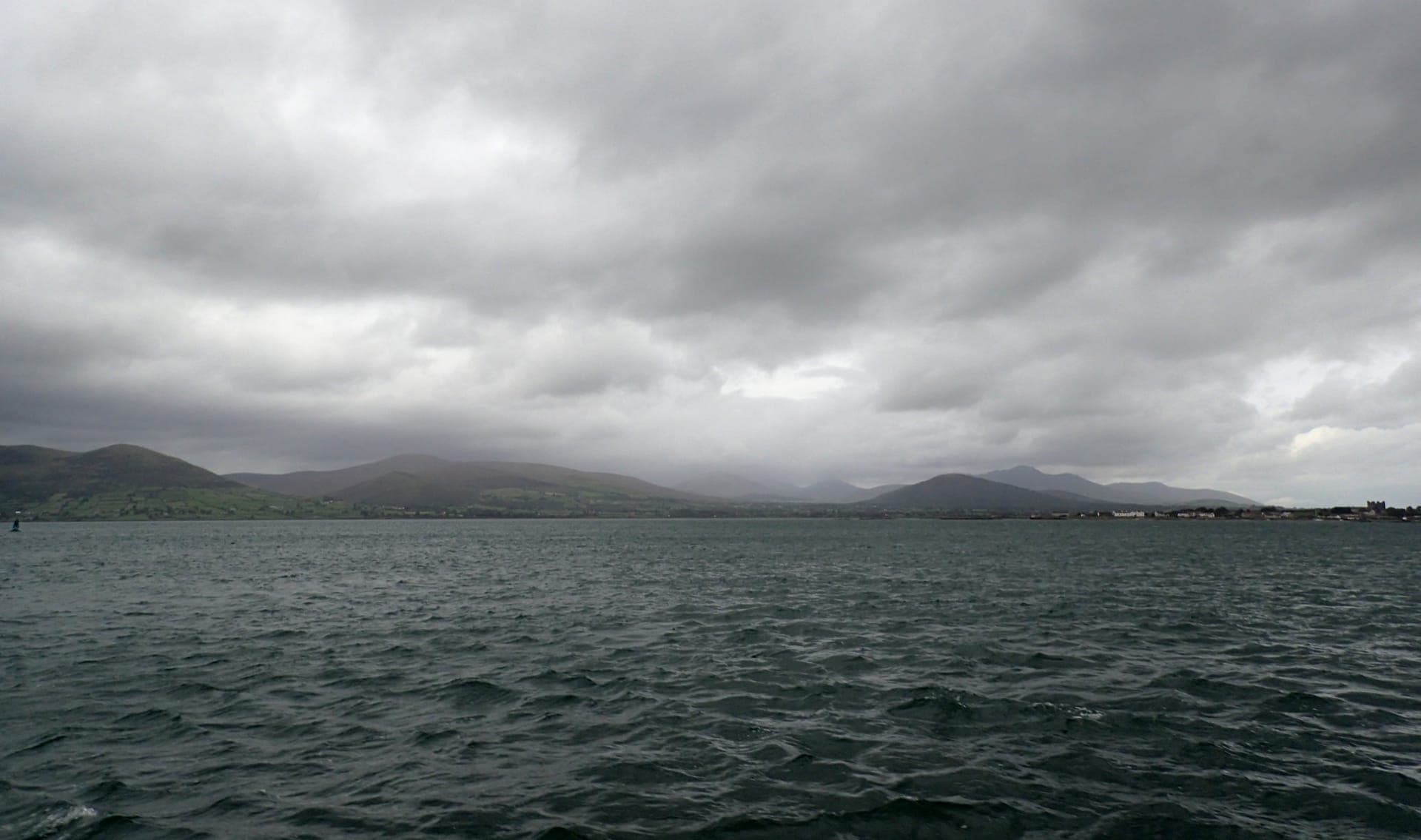
The River That Ran Red
A massacre gave it its name. A smuggling empire gave it its purpose. The bridge and river are still there, on the coast road south of Newcastle.
Location
A2 coast road, south of Newcastle
Time Needed
30 min walk to bridge & river
Difficulty
Easy (riverside path)
Best Season
Year-round
Connects to
Brandy Pad smuggling trail
The Story
Where the Name Came From
In 1641, Ireland tore itself apart. The rebellion that swept the island reached County Down in the depths of winter. At a small stone bridge on the coast road south of Newcastle, a group of prisoners — Protestant settlers captured in the uprising — were marched to the crossing and executed. Contemporary accounts describe them being “hacked, slashed and cut to pieces” before their bodies were thrown over the bridge into the river below.
The river ran red. The name stuck. Nearly four centuries later, this small bridge on the A2 coast road is still called Droichead Fuilteach — Bloody Bridge. The water that flows beneath it still runs cold and clear from the Mourne Mountains above, but the name carries the memory of that winter day in every syllable.
“Hacked, slashed and cut to pieces” — the account of the 1641 massacre that gave this quiet coastal bridge its name.
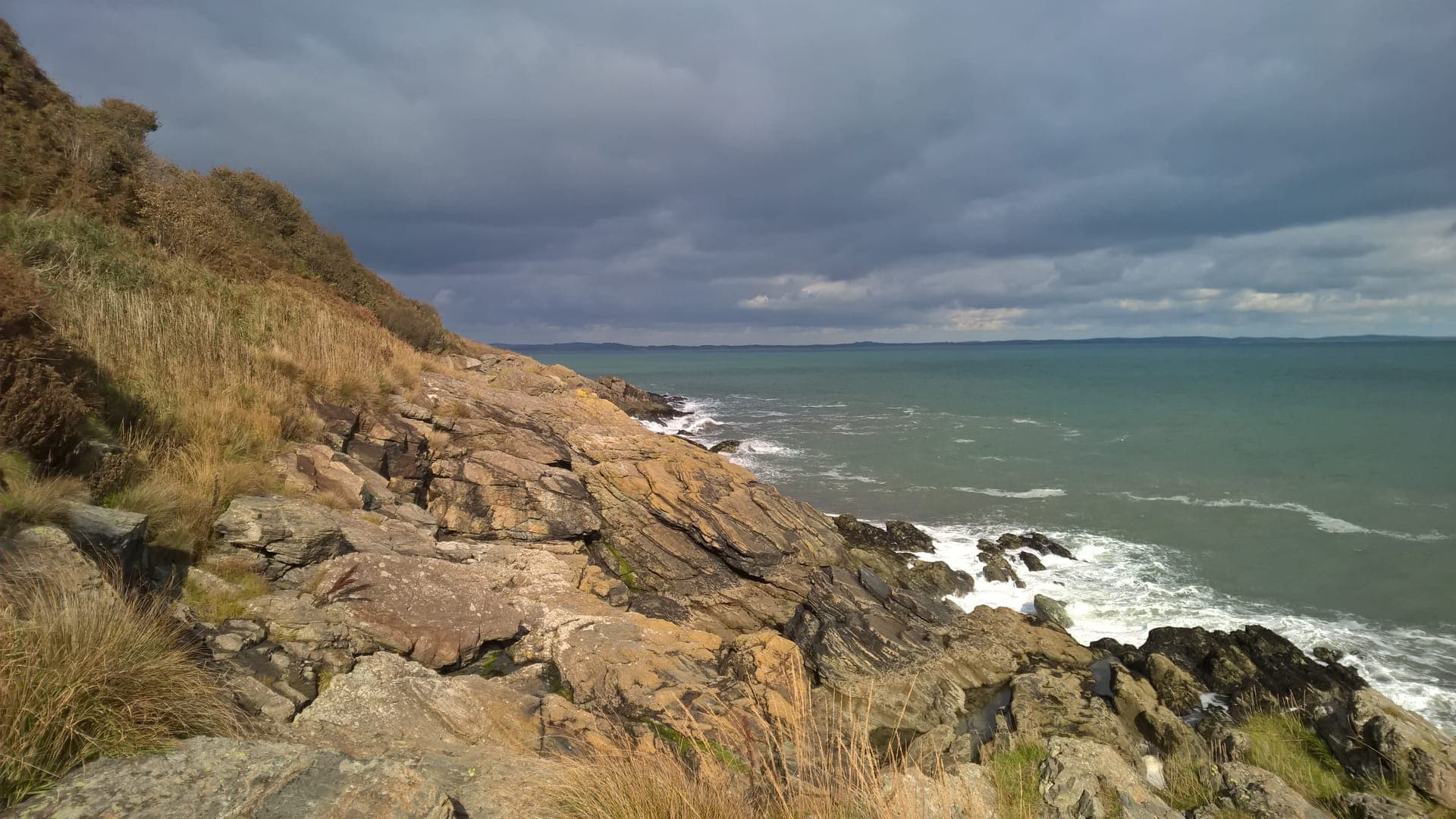
The Smugglers’ Landing
A century and a half after the massacre, Bloody Bridge found a second life — and a second kind of violence. By the late 1700s, the Mourne coast had become one of the busiest smuggling corridors in Ireland. Ships from the Isle of Man, France, and the Channel Islands would drop anchor offshore in the dark. Small boats rowed the cargo to the beach. And at Bloody Bridge, the contraband was loaded onto the backs of mountain ponies for the long climb into the interior.
This was the beginning of the Brandy Pad — the smuggling trail that climbed from the coast, past Slievenaglogh and Slieve Commedagh, through Bealach Mór (Hare’s Gap), and down the Trassey valley to Hilltown, where eight pubs on one street served as the distribution network. The hooves of the ponies wore a permanent track into the mountainside. Two centuries later, you can still walk it.
“Ships dropped anchor in the dark. Small boats rowed the cargo to shore. At Bloody Bridge, the ponies were waiting.”
Two Layers of Violence
What makes Bloody Bridge unusual is the layering. Most places have one story. This bridge has two, separated by 150 years but bound together by the same geography. The massacre happened because the bridge was on the road — a convenient place to do a terrible thing. The smuggling happened because the bridge was at the foot of a mountain path — a convenient place to start an illegal journey.
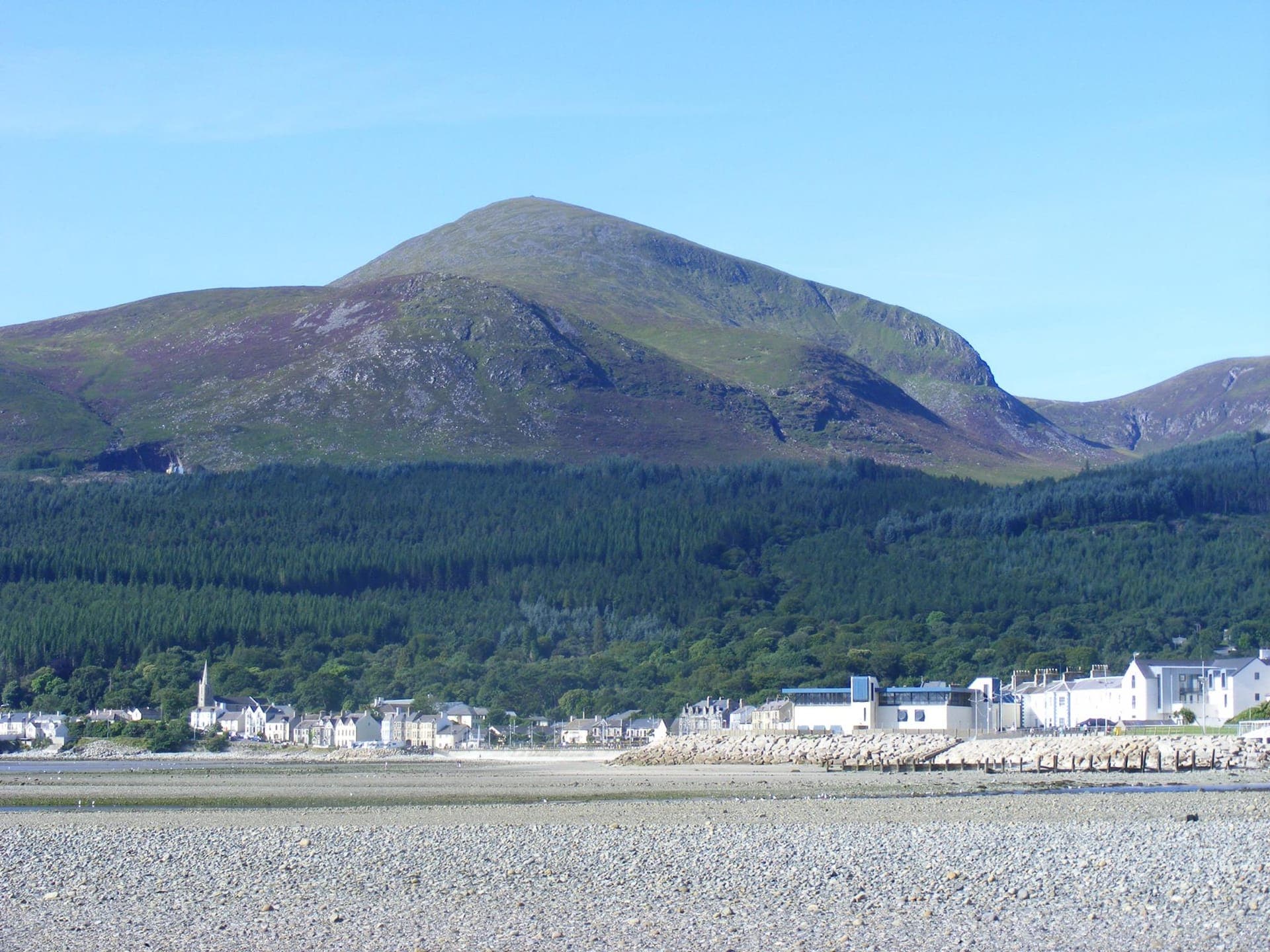
The bridge sits at a natural pinch point where the mountains meet the sea. The Bloody Bridge River flows down from the high peaks through a steep-sided valley, crossing beneath the coast road before reaching the shore. Stand on the bridge today and you can see both worlds — the Irish Sea behind you, the Mourne summits ahead. It is a threshold, and it has always been used as one.
“Stand on the bridge and you can see both worlds — the Irish Sea behind you, the Mourne summits ahead. It has always been a threshold.”
The Place
Loading map...
Bloody Bridge car park on the A2 coast road — the bridge, the river, and the start of the Brandy Pad into the High Mournes.
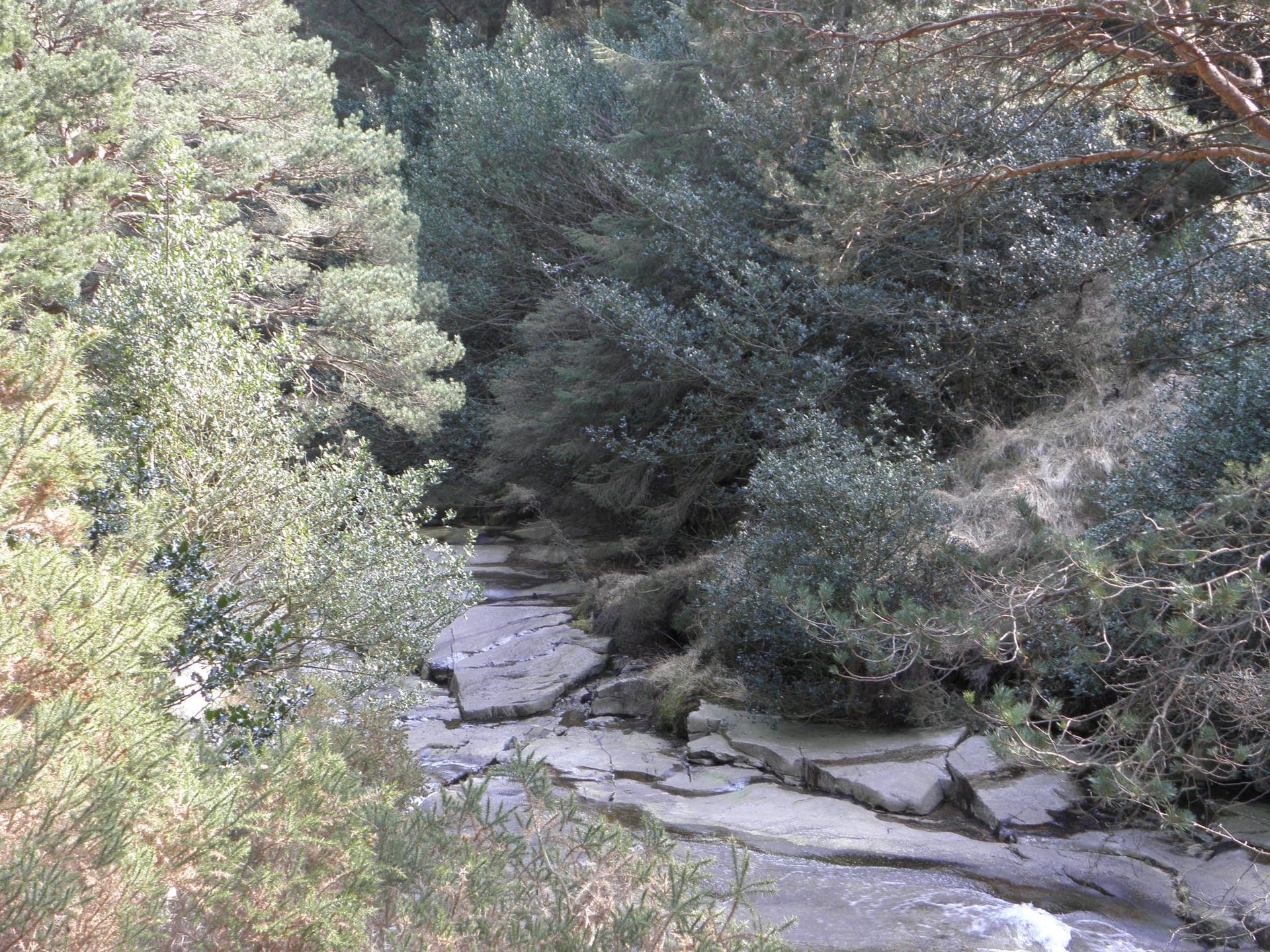
Bloody Bridge is on the A2 coast road (<em>Bóthar na Farraige</em>, the Sea Road), about 3km south of Newcastle. There is a small car park on the inland side of the road. From there, a short path leads to the bridge itself — a modest stone crossing over a fast-flowing mountain river. The river runs down from the High Mournes through a narrow, steep-sided valley that opens dramatically as you climb.
The bridge is unassuming. If you didn’t know the history, you’d drive past without a second thought. But pause here, cross the bridge, and look upstream. The river valley stretches away toward the mountain wall above. This is where the smugglers started their climb — and this is where one of the most popular walks in the Mournes begins.
Coordinates
Bloody Bridge:
54.1890°N, 5.8780°W
Car Park:
54.1905°N, 5.8750°W
Parking
Bloody Bridge Car Park:
Small free car park on the inland side of the A2. Space for approximately 20 cars. Can fill up on sunny weekends — arrive early or park in Newcastle and walk the coastal path.
Newcastle (Alternative):
Newcastle town centre is a 30-minute walk or short drive north along the coast road.
The Visit
You can visit the bridge itself in ten minutes — park, cross the road, walk to the bridge, look at the river. But the real draw is what starts here. The path from Bloody Bridge into the Mournes is one of the most dramatic ways into the mountains, rising steeply up the river valley toward the high peaks. Whether you walk for an hour or a full day, this is the starting point.
Bloody Bridge Car Park
A modest stone bridge over the Bloody Bridge River. The massacre happened here in 1641. It’s small and easily overlooked — but stand on it and look down at the water, and the name suddenly makes sense.
The Walk
Follow the river upstream into the mountains. You can walk as far as you like. The Brandy Pad route eventually reaches Hare’s Gap and continues to Hilltown — but even a 30-minute stroll up the valley is rewarding.
Duration
10 min to bridge; 1–2 hours valley walk. The bridge itself: 10 minutes from the car park. A walk up the valley and back: 1–2 hours. The full Brandy Pad to Hare’s Gap: 4–5 hours one way (serious mountain walking — navigation skills required).
Difficulty
Easy to Moderate. Free to visit. Open year-round. The initial riverside path is moderate, but beyond the valley floor the terrain becomes rough mountain ground. Dogs welcome on leads. Bring proper boots if you plan to walk beyond the first half-hour.
What to Bring
- •Walking boots if heading beyond the bridge (the path gets rough)
- •Waterproof jacket — weather sweeps in fast from the sea here
- •Map and compass if walking the full Brandy Pad (no phone signal in the mountains)
- •Camera — the views from the valley back toward the coast are exceptional
What to Look For
- •The stone bridge itself — small, dark, and easy to miss from the road
- •The river running beneath it — fast, clear, and surprisingly loud
- •The worn path heading inland — the same route the smugglers’ ponies took
- •The granite Mourne Wall visible on the ridgeline above
- •The sea behind you — where the smuggling ships dropped anchor in the dark
Stand on the bridge and look upstream. The valley narrows as it rises, and the mountain walls close in on either side. On a still evening, with the river rushing below you and the summits catching the last light, you can begin to understand why the smugglers chose this place. It was hidden. It was dramatic. And it led straight into the heart of the mountains.
Make a Day of It
Bloody Bridge is a natural stop on the coast road south from Newcastle. Combine it with Annalong harbour, Silent Valley, and the Spelga Dam for a full day.
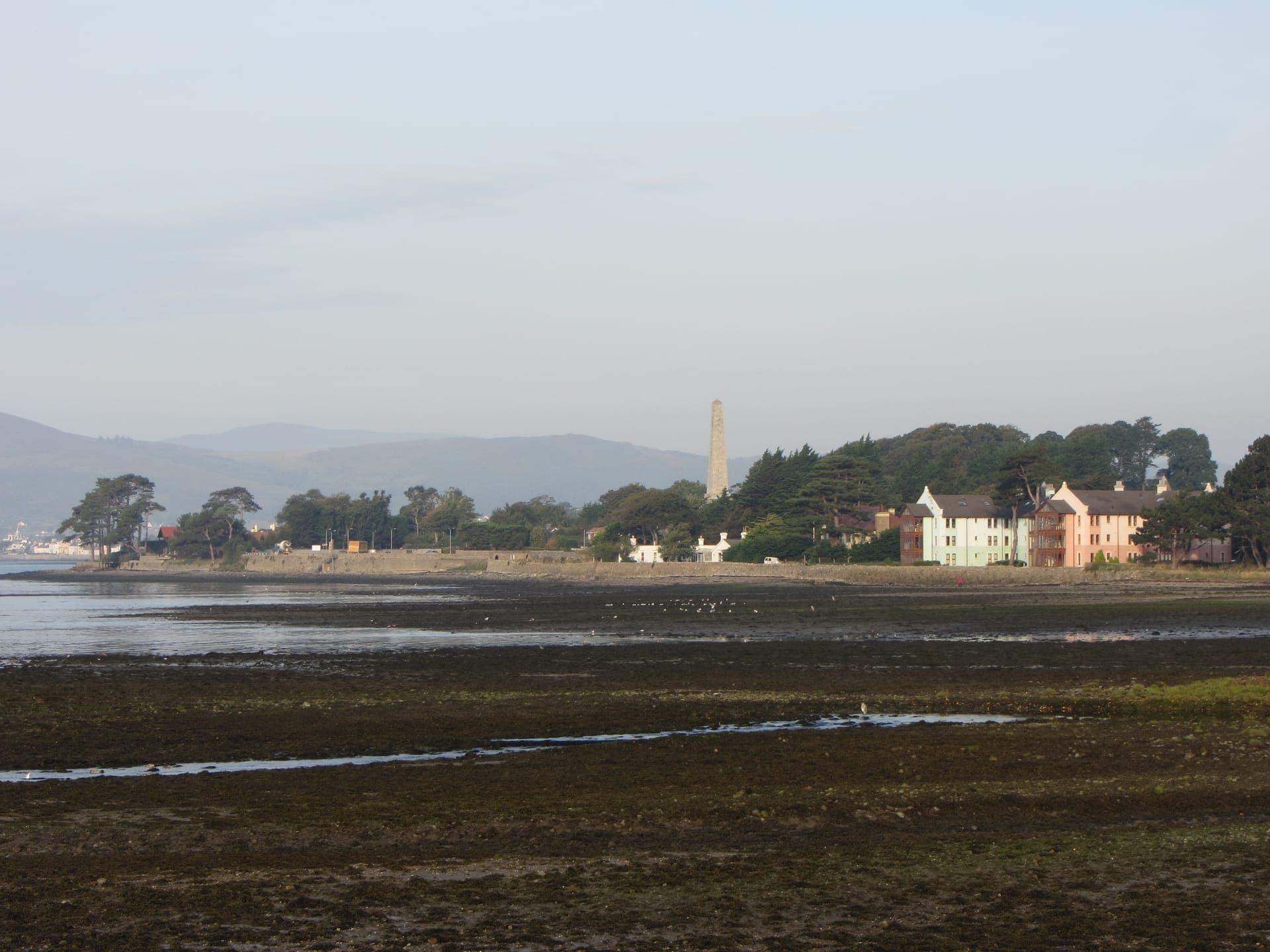
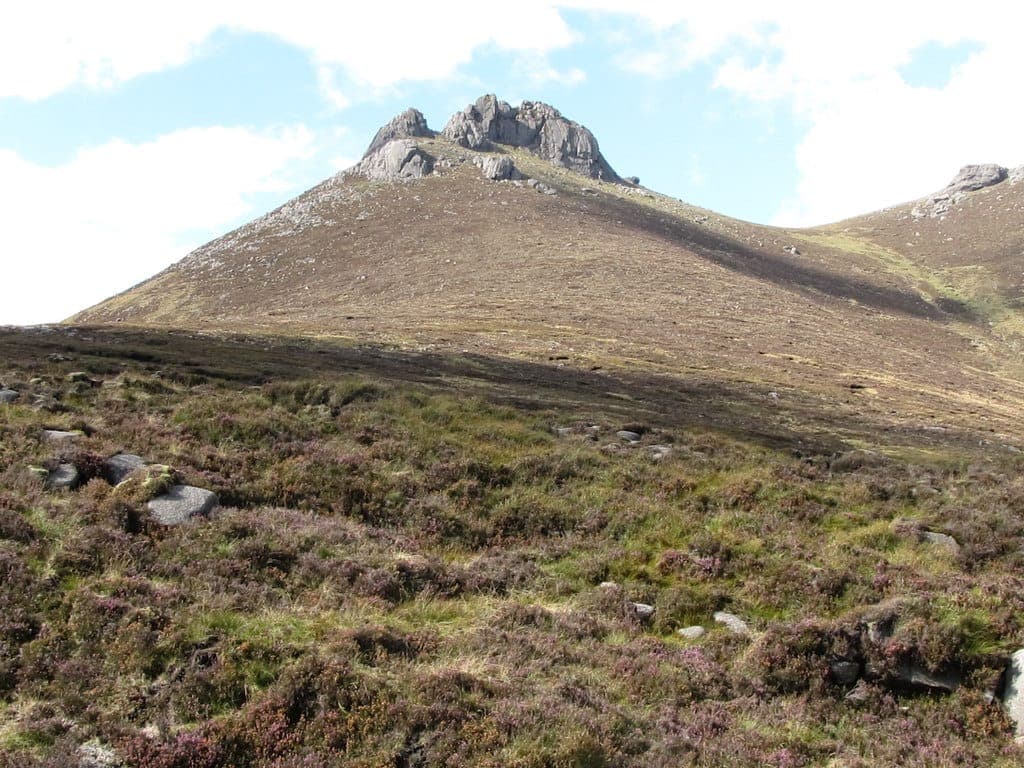
While You're Here
Three places worth exploring once you’ve visited.
More Stories to Discover
Every mountain, bridge, and ruin has a story. Here are a few more.
Discover
Discover More Stories
The Mourne Mountains are full of hidden things — smuggling trails, massacre sites, ruins in the heather, and tales the guidebooks never tell.
Explore All Stories