The Igloo They Built Into the Mountain
A brick-and-granite chamber buried in the hillside above the Glen River. Most people walk right past it on the way to the summit.
Location
Glen River path, Slieve Donard
Time Needed
20 min from Donard car park
Difficulty
Easy (well-surfaced path)
Best Season
Year-round
Distance
~1.5 km each way
The Story
Before the Fridges
In the late 1800s, the Slieve Donard Hotel was the finest resort on the coast of County Down. Guests arrived by train from Belfast expecting cold drinks, fresh meat, and chilled desserts. There was just one problem — refrigeration hadn’t arrived yet. The hotel needed ice, and it needed a lot of it, all year round.
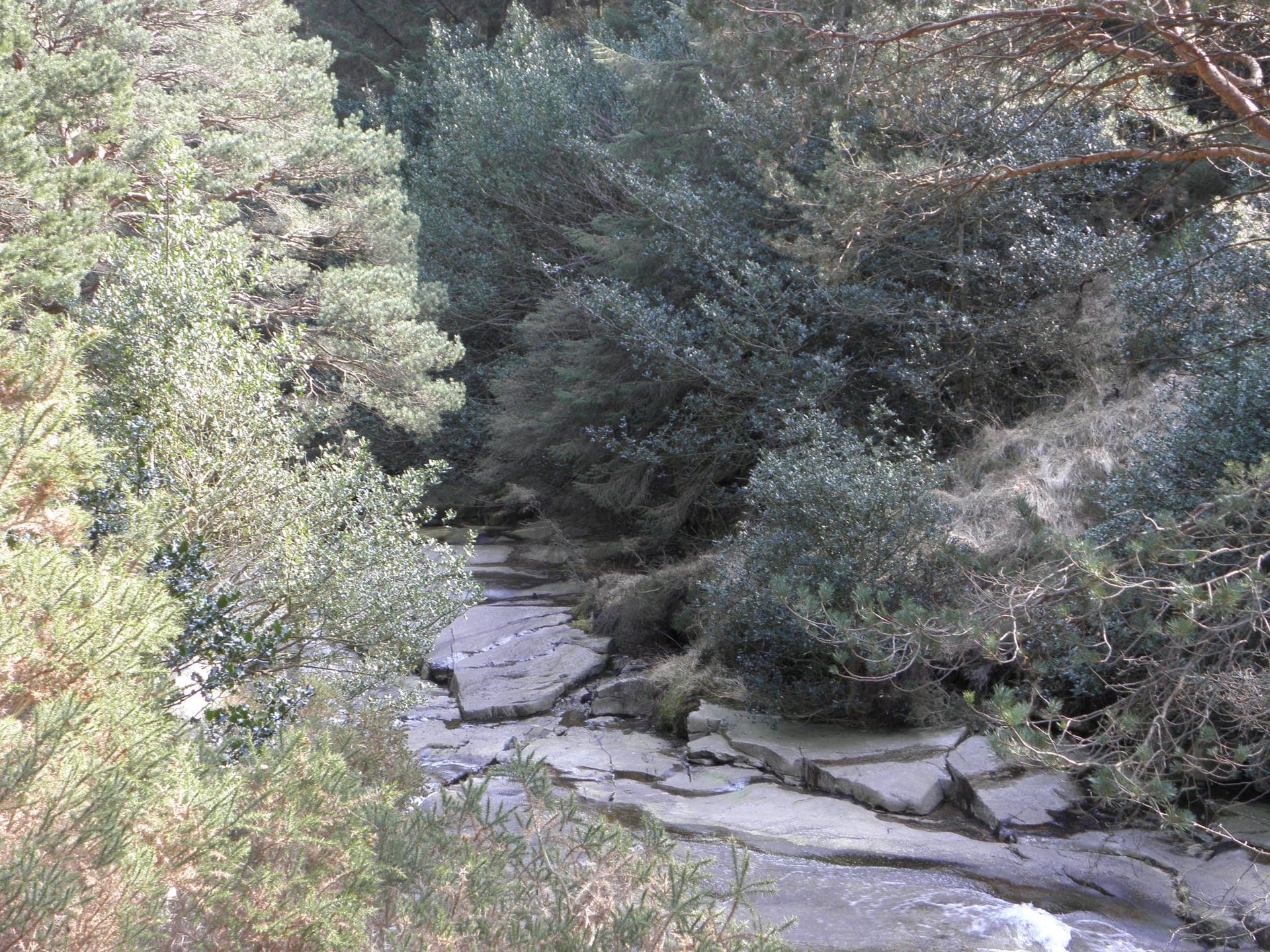
The solution was older than the hotel itself. High on the lower slopes of Sliabh Donard (Donard’s Mountain), where the Glen River tumbles down from the High Mournes, the hotel’s owners built a structure that wouldn’t have looked out of place in the Iron Age: a brick-and-granite chamber, buried into the mountainside, positioned above a cold mountain stream. An igloo of sorts — not made of snow, but of local stone, designed to stay cold through the warmest summer.
“They built it into the mountain itself — brick, granite, and the constant cold of a stream that never warms, even in July.”
Cold Storage, Victorian Style
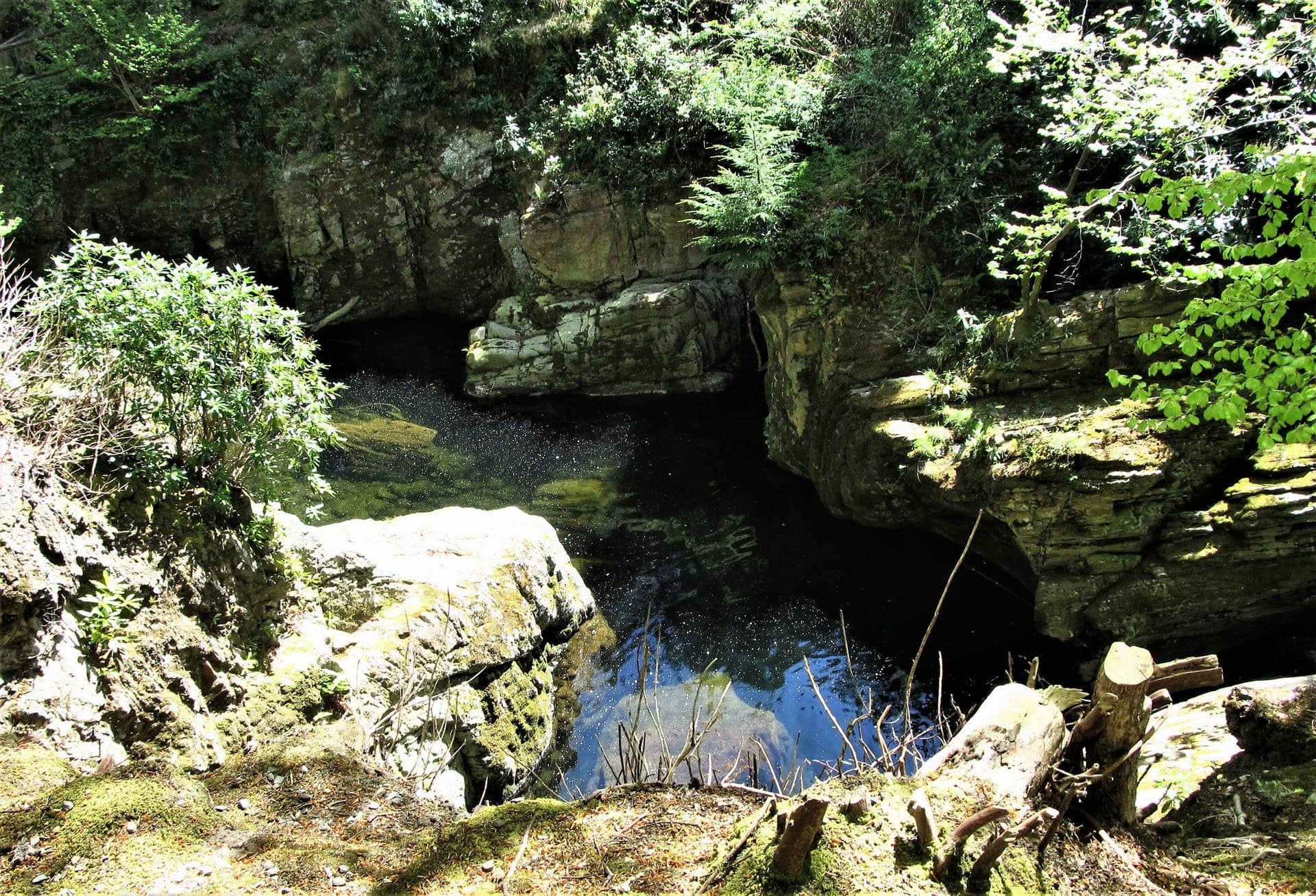
The principle was simple but effective. In winter, ice was collected — sometimes cut from frozen streams or gathered from higher ground — and packed into the chamber. The thick granite walls and the earth packed around the structure provided insulation. The cold stream running nearby kept the ambient temperature low enough that the ice lasted well into the warmer months. Straw and sawdust were layered between the ice blocks to slow the melt.
Servants would make the climb from the hotel, collect what was needed, and carry it back down. For decades, this hidden chamber in the hillside was the reason guests at the Slieve Donard could enjoy chilled champagne and fresh oysters while gazing at the Irish Sea.
“For decades, the reason guests could enjoy chilled champagne at the coast’s finest hotel was a stone chamber buried in the mountainside above.”
Lost and Found Again
When mechanical refrigeration arrived in the early 20th century, the Ice House lost its purpose overnight. The path up was no longer walked by hotel servants hauling ice. The forest crept in. The structure slipped from memory. For decades, it sat quietly in the hillside, known only to the odd local who remembered the old stories.
In 1996–97, the National Trust, working with the Hearth Historic Buildings Trust, restored the Ice House. The brickwork was repaired, the entrance cleared, the stonework stabilised. It now sits in the trees just off the main Glen River path — a small, solid, barrel-vaulted chamber that you can peer into and feel the cold air still pooling inside. Most people climb straight past, eyes on the summit of Sliabh Donard above. They don’t know what they’re missing.
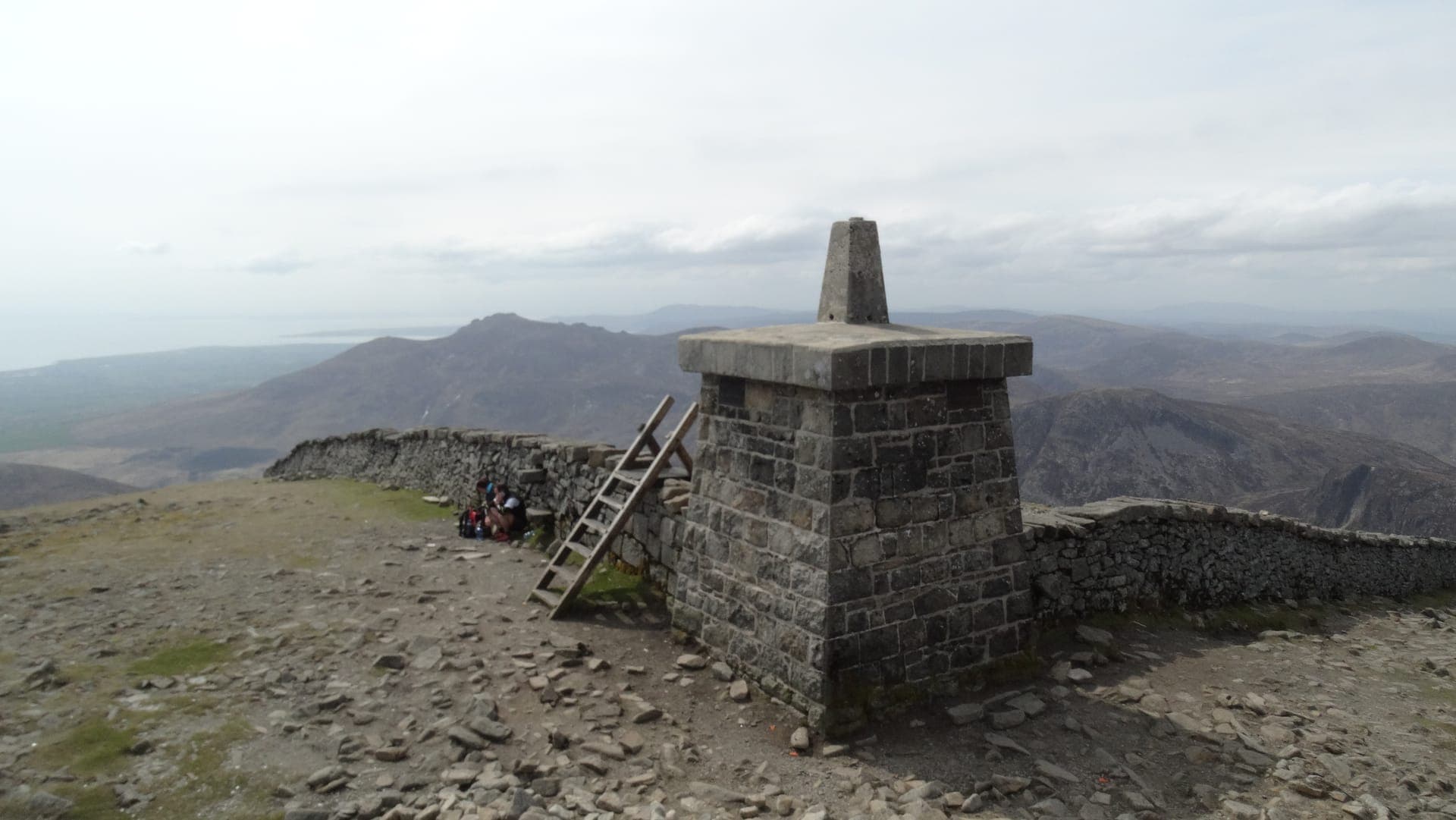
“There’s a satisfaction in spotting it — a quiet thrill of being in the know while hundreds of summit-bound hikers march past without a second glance.”
The Place
Loading map...
The Glen River path from Donard car park — the Ice House is about 20 minutes up, before the main Donard ascent.
The Ice House sits on the lower slopes of <em>Sliabh Donard</em>, just off the Glen River path — the main route that most people take when climbing Northern Ireland’s highest peak. It’s about 20 minutes’ walk from the Donard car park in Newcastle, on the left-hand side of the path as you ascend.
You’ll pass through the forest gate at the top of the car park, cross a footbridge, and follow the well-surfaced path alongside the Glen River. The Ice House is tucked into the hillside on your left, partially concealed by trees and ferns. Look for the barrel-vaulted entrance set into the slope — once you spot it, you’ll wonder how you could ever have missed it.
Coordinates
The Ice House:
54.1935°N, 5.8815°W
Donard Car Park:
54.1968°N, 5.8795°W
Parking
Donard Car Park:
At the end of Donard Park in Newcastle. Pay & display. Fills early on weekends and summer mornings — arrive before 9am for a guaranteed space.
Overflow:
Street parking available on the roads near Donard Park. Newcastle town centre is a 10-minute walk.
The Visit
This isn’t a serious hike — it’s a 20-minute walk on a well-surfaced forest path. You could visit on a lunch break. The pleasure is in knowing the story before you go, and feeling like you’re in on a secret that the summit-bound crowds don’t know about.
Donard Car Park
Donard car park at the end of Donard Park, Newcastle. Walk through the gate and follow the Glen River path uphill. The Ice House is on your left after about 20 minutes.
Duration
~1 hour return. Allow about an hour for the return walk at a relaxed pace, with time to explore the Ice House itself. Or combine it with the full Slieve Donard climb (4–5 hours return).
Difficulty
Easy. Well-surfaced path, gentle gradient. Suitable for most fitness levels. Dogs welcome on leads.
What to Bring
- •Comfortable walking shoes (the path can be muddy after rain)
- •A light waterproof jacket — it’s the Mournes, after all
- •A torch if you want to peer deeper into the chamber
- •Camera — the forest is atmospheric in any weather
What to Look For
- •The barrel-vaulted entrance set into the hillside
- •The brick-and-granite construction — remarkably solid after 130+ years
- •The cold air that still pools inside, even in summer
- •The nearby stream — the natural cooling system
- •The expressions on passing hikers who have no idea what you’re looking at
Step close to the entrance and feel the air temperature drop. Even on a warm day, cold air pools inside the chamber — the same principle that kept the Slieve Donard Hotel’s larder stocked for decades. It’s a small, satisfying reminder that this place actually worked.
Make a Day of It
The ice house is a short stop near Kilkeel harbour. Combine it with the harbour walk, a drive to Greencastle, and a loop back through the mountains.
While You're Here
Three places worth exploring once you’ve visited.
More Stories to Discover
Every mountain, bridge, and ruin has a story. Here are a few more.
Discover
Discover More Stories
The Mourne Mountains are full of hidden things — ice houses, holy wells, ruins in the heather, and tales the guidebooks never tell.
Explore All Stories