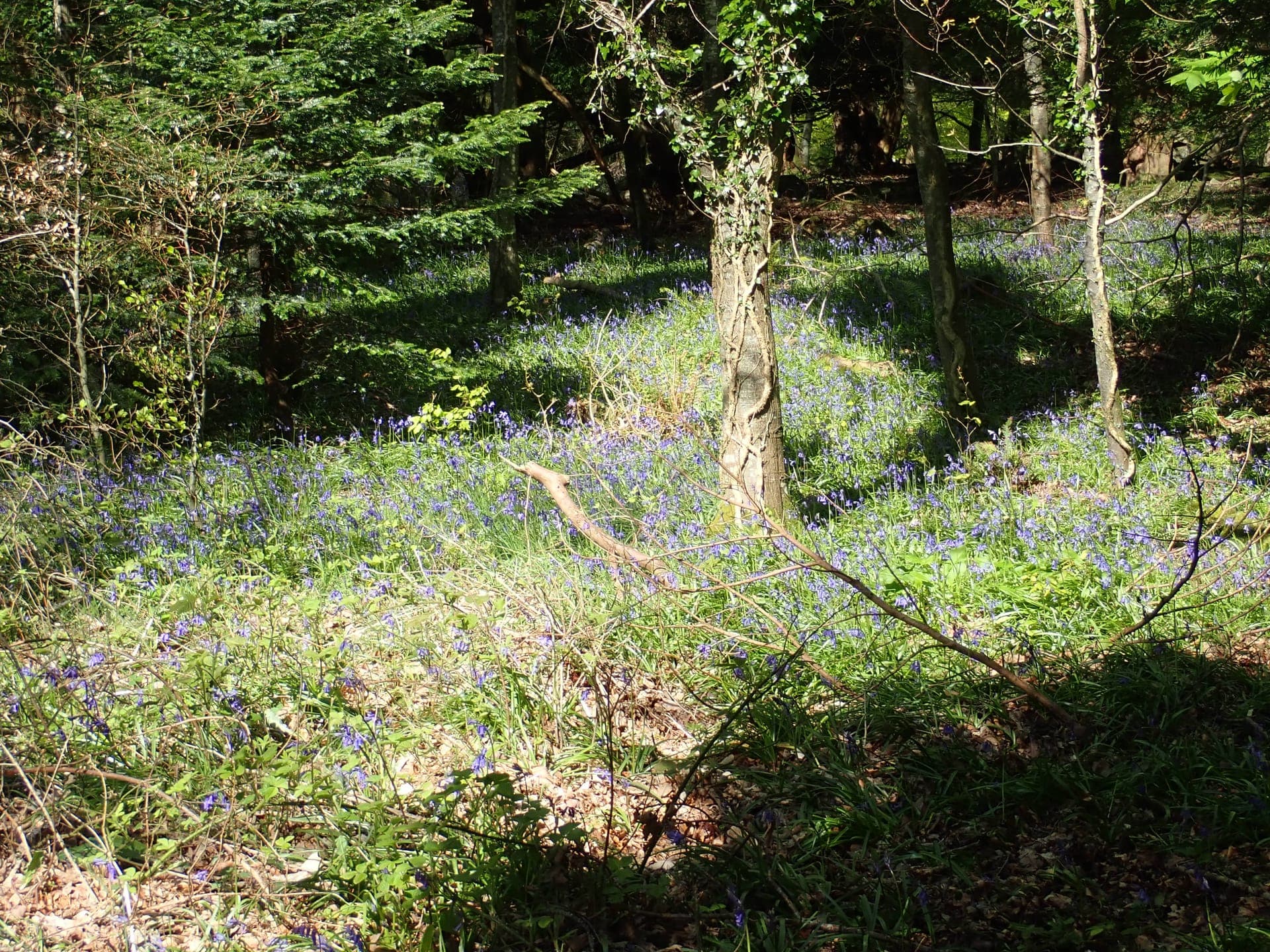
The Trees the Fairies Won't Let You Touch
Lone hawthorns stand untouched in cleared fields, hedgerows, and roadsides across the Mournes. Nobody planted them there. Nobody dares move them.
Location
Throughout the Mournes
Time Needed
Any walk, any day
Difficulty
All levels (depends on walk)
Best Season
May – June (blossom)
Look For
Lone thorns in open fields
The Story
Na Daoine Maithe — The Good People
You might not believe in fairies. But would you cut down a fairy thorn? Exactly. That hesitation — that little flicker of what if — is the point. Across the Mourne Mountains, lone hawthorn trees stand in the middle of cleared fields, beside walls, at crossroads. Nobody planted them. Nobody moves them. They belong to the sí — the fairies, the wee people, na daoine maithe (the good people) — and that, in this part of the world, is reason enough to leave them alone.
The hawthorn — sceach gheal in Irish, meaning ‘bright thorn’ — is the tree most closely associated with the fairy world in Irish tradition. Its white blossom appears in May, marking the threshold between spring and summer, between the everyday world and the otherworld. A lone sceach standing in open ground is understood to mark a fairy place: a meeting point, a gateway, a spot on the invisible paths — the bóithrín sí (fairy paths) — that the good people travel between their raths and forts.
“You don't have to believe in the fairies. You just have to not be the person who cuts down their tree.”
Not History — Living Tradition
This is not something from a museum exhibit. It is not a quaint memory from a time before electricity. It is now. Farmers across County Down will plough around a lone hawthorn rather than uproot it. Hedgerows are trimmed, but the old fairy thorns within them are left untouched. Building contractors have been known to quietly redesign site plans rather than remove a thorn that sits in the wrong place.
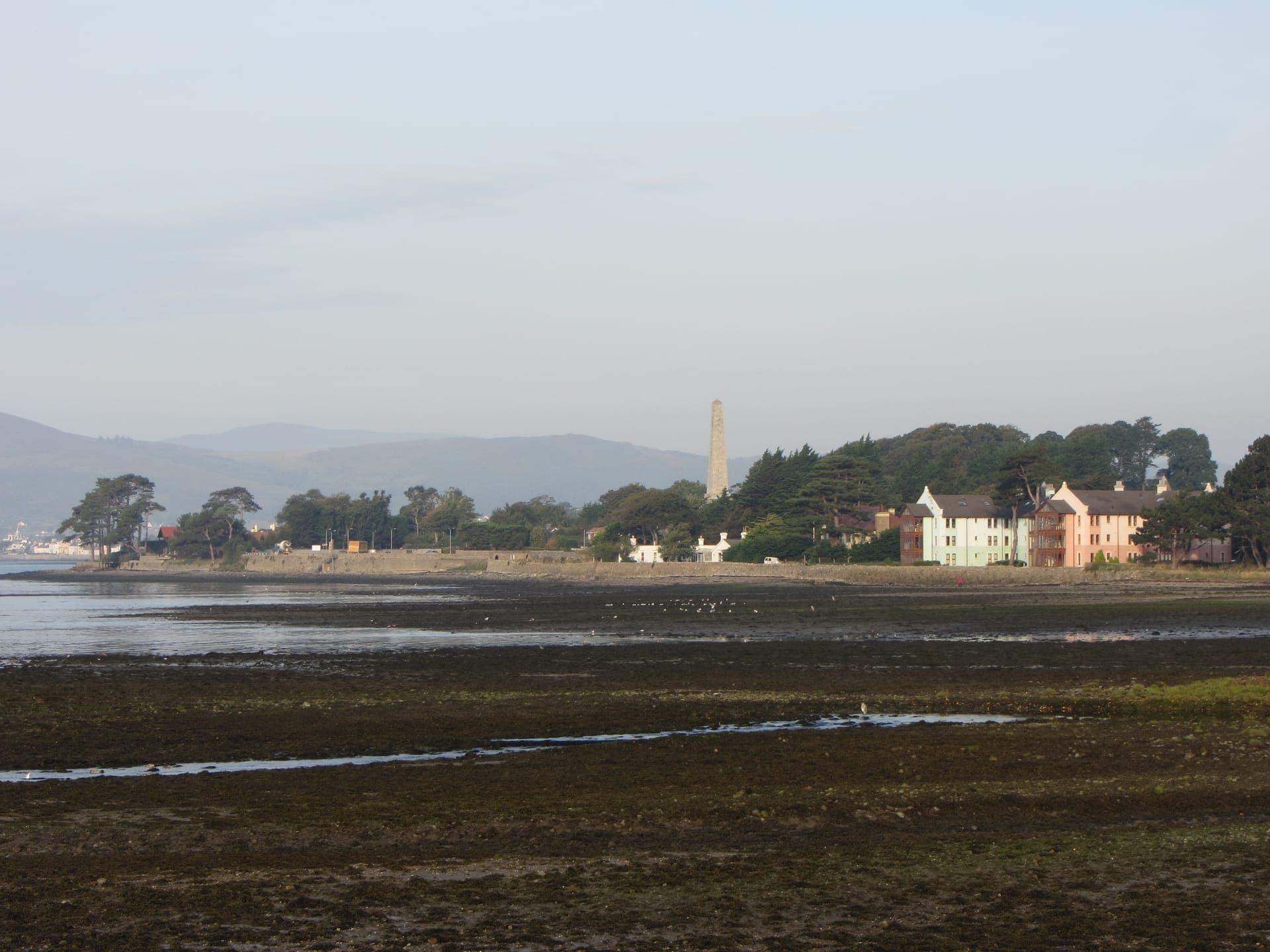
The belief runs deepest in fishing communities. Along the Mourne coast, from Kilkeel to Annalong, the old superstition holds firm: no fisherman would build a boat from hawthorn wood. To carry even a branch of sceach gheal onto a vessel was to invite disaster. The sea and the sídhe do not mix well, and the fishing families of the Mournes knew better than to test it.
“No fisherman would build a boat from hawthorn wood. To carry even a branch of <em>sceach gheal</em> onto a vessel was to invite disaster.”
How to Read the Landscape
Once you know what to look for, the fairy thorns are everywhere. Drive the road from Hilltown toward Spelga Dam and you'll see them: lone hawthorns standing in the middle of fields that have been cleared and farmed for generations. Every other tree has been removed. These remain. Nobody will say exactly why — just that it's “bad luck” to disturb them, or that their grandmother warned them, or simply that “you wouldn't want to be the one.”
Walk any trail in the Mournes and pay attention to the field boundaries. Where hedgerows have been cut back or replaced with wire fences, you'll sometimes find a single old hawthorn left standing, gnarled and wind-bent, surrounded by nothing but grass and stone. The Mourne Way, the paths around Spelga, the lanes near Attical and Leitrim — they all pass fairy thorns. Most walkers never notice. Now you will.
Respect, Not Fear
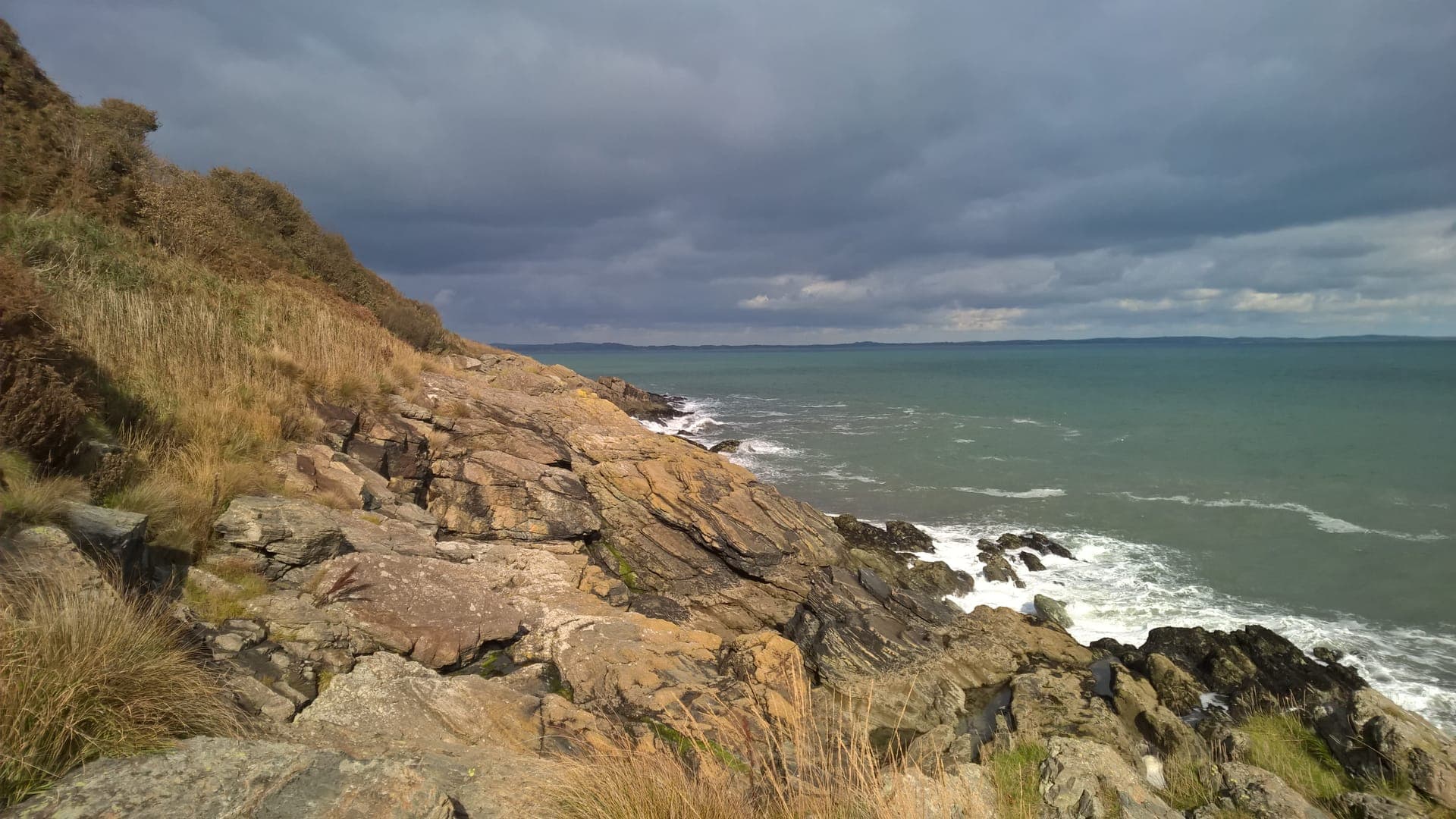
It would be easy to dismiss all this as rural superstition, but that would miss the point entirely. The tradition of the fairy thorn is, at its heart, about respect for the landscape. It is a way of saying: not everything needs to be cleared, improved, or made useful. Some things should be left alone simply because they have always been there, because they belong to something older than us.
The Mournes are full of stories about what happens when fairy thorns are disturbed — cattle sickening, machinery breaking down, a run of bad luck that only ends when the damage is repaired. Are these true? It doesn't matter. What matters is that the trees are still standing, in a landscape where nearly everything else has been reshaped by human hands. The sí — whatever they are — have protected them better than any conservation order ever could.
“The fairies have protected these trees better than any conservation order ever could.”
The Place
Loading map...
Fairy thorns are found throughout the Mournes. These markers show areas where lone thorns are particularly easy to spot along walks and roadsides.
Unlike most Discover stories, this one doesn't send you to a single spot on the map. Fairy thorns are <em>everywhere</em> in the Mournes. The whole point is learning to see what's been there all along.
That said, some areas are particularly good for spotting them. The road from Hilltown up to Spelga Dam passes through open upland fields where lone thorns are unmistakable against the sky. The lanes around Attical and Leitrim, between the mountains and the coast, are lined with ancient hedgerows where fairy thorns have been left standing for centuries. And any walk through the lower Mournes — Tollymore, the Trassey Track, the route along the Shimna River — will take you past hawthorns that have clearly been respected for a very long time.
Coordinates
Spelga Dam area:
54.1750°N, 5.9200°W
Tollymore Forest Park:
54.2000°N, 5.8750°W
Hilltown:
54.1200°N, 6.0150°W
Attical / Leitrim Road:
54.1450°N, 5.9500°W
Parking
Spelga Dam:
Small free car park at the dam. Good starting point for exploring the upland fields.
Tollymore Forest Park:
Pay & display car park at the main entrance. Hawthorns visible along the river walks and field edges.
Trassey Track:
Free roadside parking at the Trassey Road trailhead near Bryansford.
The Visit
There's no ticket, no opening hours, no visitor centre. The fairy thorns are part of the living landscape — visible from any walk, any drive, any slow wander through the Mourne countryside. The only admission price is paying attention.
Spelga Dam road
Drive the B27 from Hilltown toward Spelga. Open fields on both sides with lone thorns visible from the car.
Attical / Leitrim lanes
Narrow roads between the mountains and the coast, south of Kilkeel. Ancient hedgerows with unmoved fairy thorns.
Any Mourne walk
Tollymore, Trassey Track, Bloody Bridge path — hawthorns along field boundaries and trail edges.
Duration
Any walk, any day. Fairy thorns are visible year-round. Easier to spot in winter when bare; most beautiful in May–June when in blossom.
Difficulty
All levels. Depends entirely on which walk you choose. Spotting fairy thorns requires only eyes and attention.
What to Bring
- •Binoculars — useful for scanning fields from a distance
- •Camera with a zoom lens — most fairy thorns are in private fields
- •A light waterproof jacket — it's the Mournes, after all
- •An open mind and a healthy respect for things older than you
What to Look For
- •Lone hawthorns in the middle of cleared, farmed fields
- •Single untrimmed trees left standing in otherwise neat hedgerows
- •Thorns growing at crossroads, beside old walls, or near ring forts
- •White blossoms in May — the <em>sceach gheal</em> in full bloom
- •The quiet certainty of locals when you ask why the tree is still there
Next time you're driving through the Mourne countryside, look at the fields. When you see a lone tree standing in the middle of cleared ground — thorny, wind-bent, stubbornly alive — ask yourself why nobody has removed it. Then notice that you already know the answer.
Make a Day of It
Fairy-thorn spotting pairs naturally with any day out in the Mournes. Drive the Spelga road, loop through Hilltown, or head for Tollymore Forest Park.
While You're Here
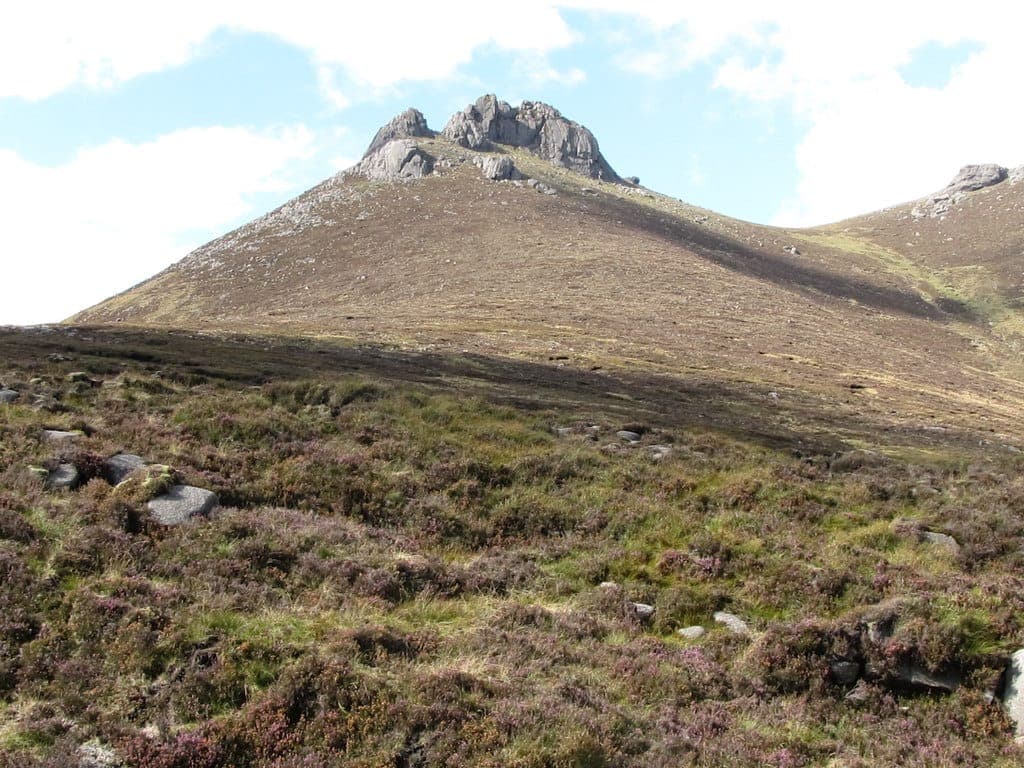
Three places worth exploring once you’ve visited.
More Stories to Discover
Every mountain, bridge, and ruin has a story. Here are a few more.
Discover
Discover More Stories
Giants, ghost lights, smugglers, and sacred trees — the Mourne Mountains are full of tales the guidebooks never tell.
Explore All Stories