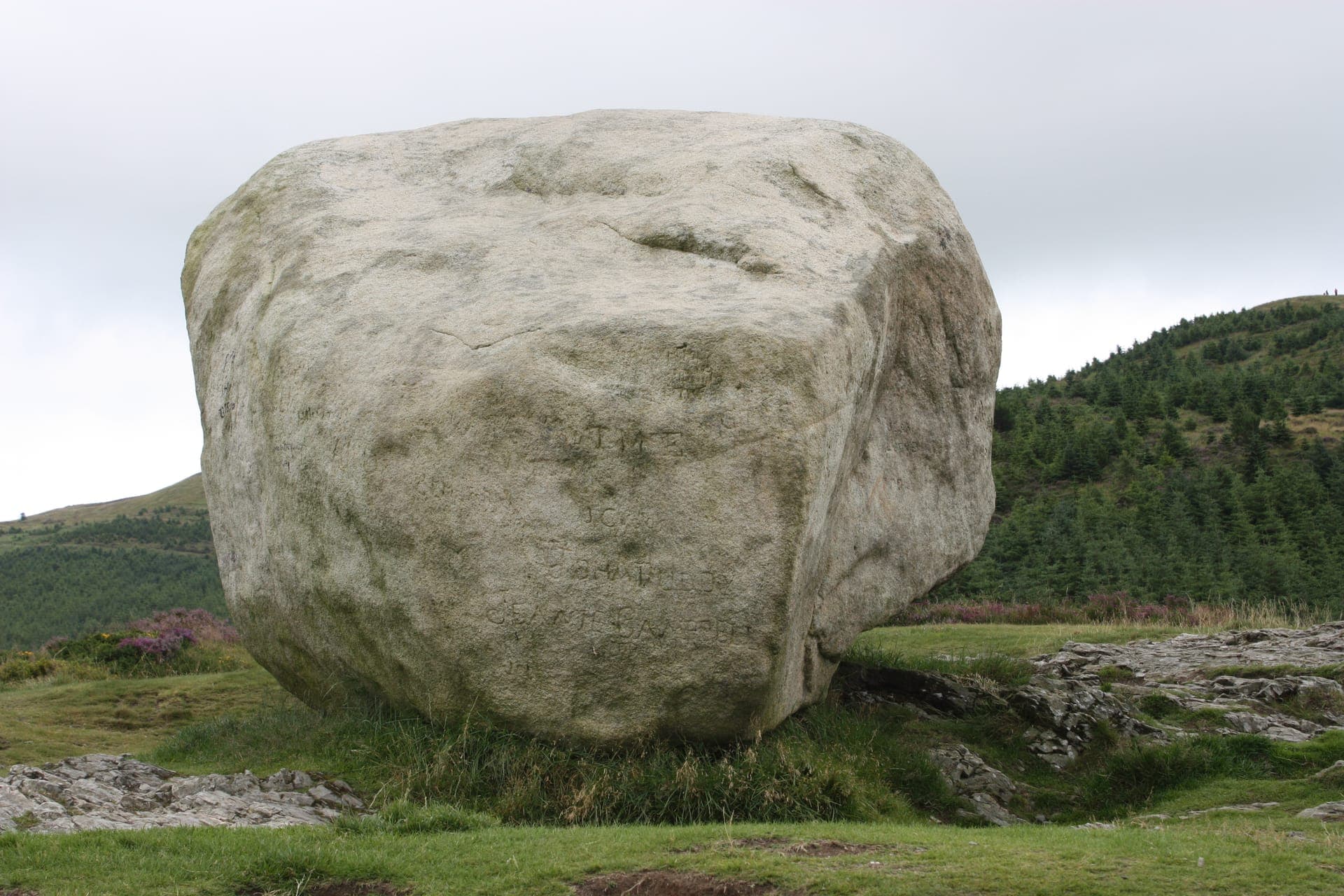
Fionn and the Lake of Enchantment
<em>Sliabh gCuillinn</em> — a summit lake, a curse that turned a giant old, and a volcanic ring older than the Alps.
Location
Slieve Gullion, Co. Armagh
Time Needed
3–4 hours (summit trail)
Type
Mythology, walking & geology
Best Season
Year-round (winter solstice is special)
Parking
Free at Slieve Gullion Forest Park
The Story
The Lake Above the World
At 573 metres, the summit of Sliabh gCuillinn — Slieve Gullion — holds a lake that has no business being there. It sits in a shallow bowl of heather and rock, perfectly still on calm days, shrouded in mist on most others. There are no streams feeding it. No obvious source. It simply exists — dark, cold, and older than memory.
The people of south Armagh have known for thousands of years that this is no ordinary lake. They call it Loch na gCailleach — the lake of the hag. And they will tell you, if you ask, the story of what happened to the greatest warrior in Ireland when he was foolish enough to dive into its waters.
The Giant and the Hag
Fionn Mac Cumhaill — Fionn mac Cumhaill, the greatest hero of Irish mythology, leader of the Fianna — was lured to the summit of Slieve Gullion by the Cailleach Bhéara, the crone goddess of winter. She appeared to him as a weeping woman beside the lake, begging for help to retrieve a golden ring she had dropped in the water. Fionn, ever the gallant, dived in.
When he surfaced, his world had changed. The Cailleach's magic had drained his youth. His hair had turned white. His mighty strength was gone. He crawled from the water an old man — stooped, trembling, unrecognisable to his own warriors. The Fianna, furious, seized the Cailleach and forced her to reverse the spell. She relented. Fionn's strength returned, his years fell away — but his hair remained white for the rest of his life, a permanent mark of the enchantment.
“When Fionn surfaced, his hair had turned white and his strength was gone. The Fianna forced the Cailleach to undo her spell — but his hair stayed white forever.”
A Mountain Made by Fire
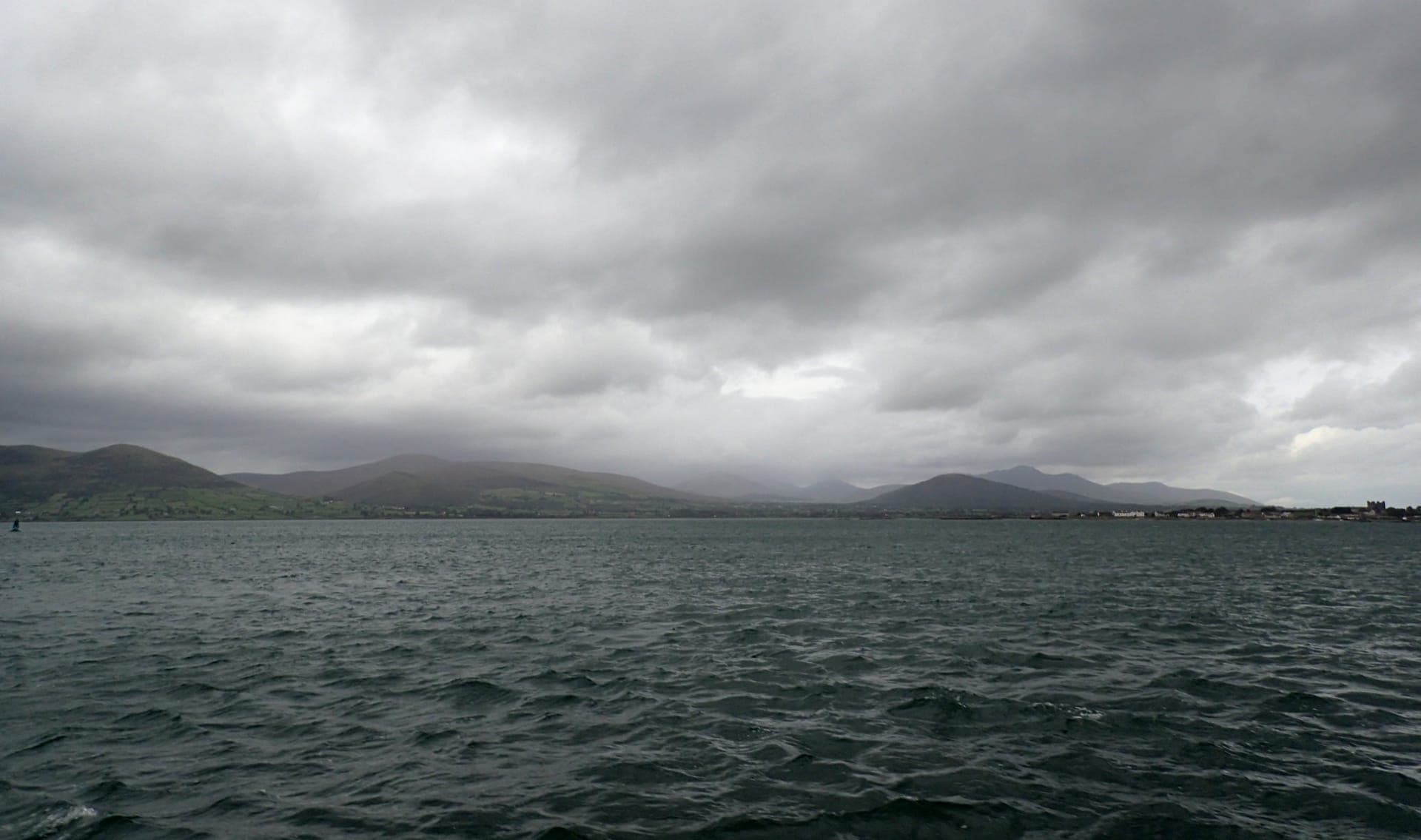
The mythology runs deep, but so does the geology. Slieve Gullion sits at the centre of one of the most remarkable volcanic formations in Europe: a ring dyke, or caldera, formed some 56 million years ago when a volcanic centre collapsed, leaving a ring of lower hills encircling a central peak. The result is a near-perfect amphitheatre of ancient rock — the Ring of Gullion, now an Area of Outstanding Natural Beauty and part of the UNESCO Global Geopark.
Stand on the summit and you can trace the ring with your eyes: a circle of hills around you, like the rim of a vast bowl. On a clear day, the views extend across eight counties — north to the Sperrins, east to the Mournes, south to the Cooley Peninsula and the mountains of Louth. It is geology on a scale that feels mythological in itself. No wonder the storytellers placed their greatest legends here.
“Stand on the summit and trace the ring with your eyes: a circle of ancient hills around you, like the rim of a vast bowl. Eight counties laid out below.”
The House at the Summit
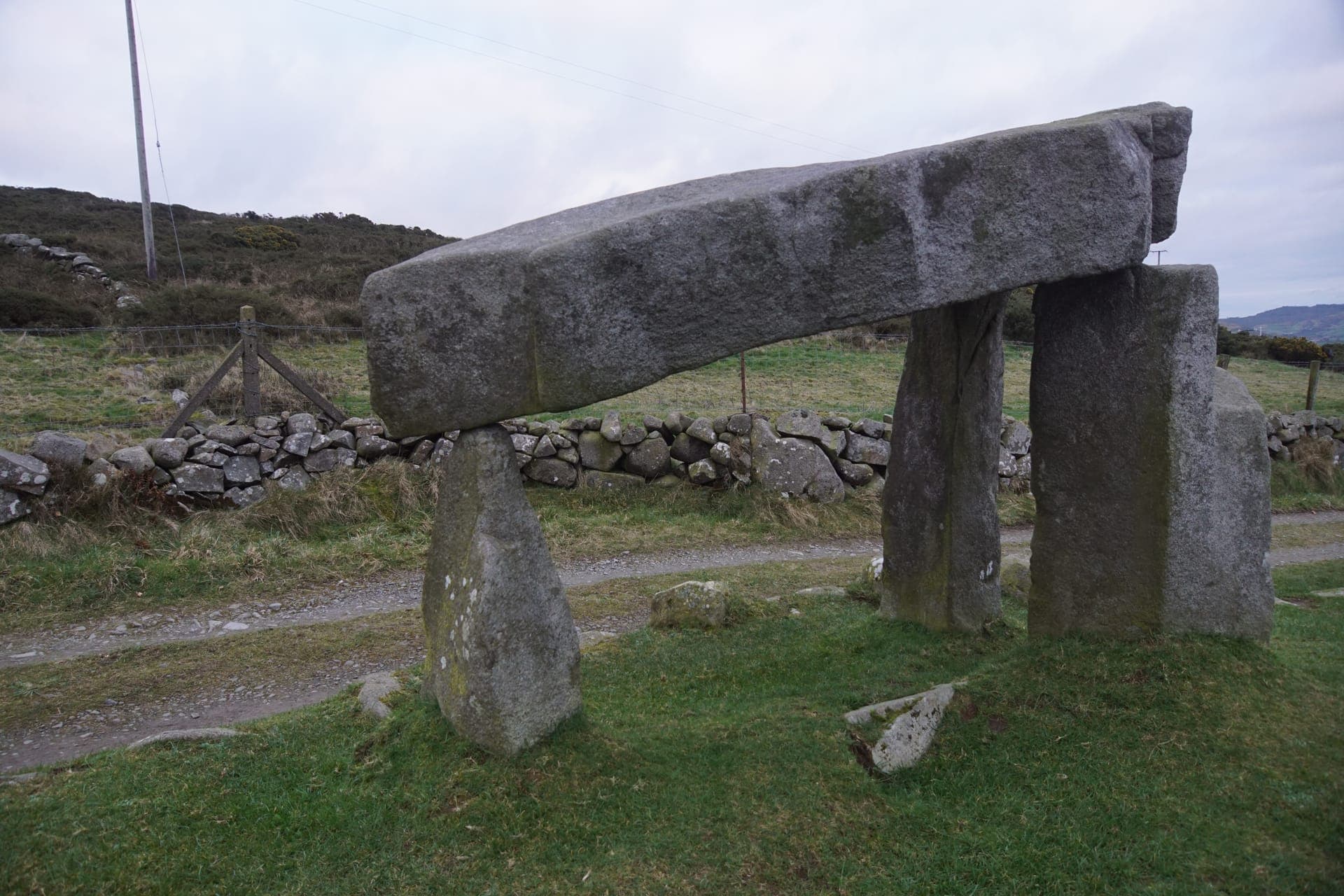
Near the lake, on the summit plateau, you will find a cairn of piled stones. This is Calliagh Beara's House — not a house at all, but a Neolithic passage tomb, over 5,000 years old. It is one of the highest surviving passage tombs in Ireland, built by people whose names we will never know, for reasons we can only guess at.
What we do know: the passage is oriented to catch the sunrise on the winter solstice. On the shortest day of the year, light enters the narrow passage and illuminates the inner chamber. Whoever built this tomb five thousand years ago understood the sky, the seasons, and the angle of the sun with a precision that still impresses archaeologists. They chose the summit of the highest mountain in the volcanic ring, and they aligned their monument with the turning of the year.
Locals have long called it the Cailleach's House. Whether the Neolithic builders had their own name for the goddess of winter, we cannot know. But the connection between the tomb, the solstice, and the hag who cursed Fionn feels less like coincidence and more like a story that has been told, in one form or another, for five thousand years.
Walk in Fionn's Footsteps
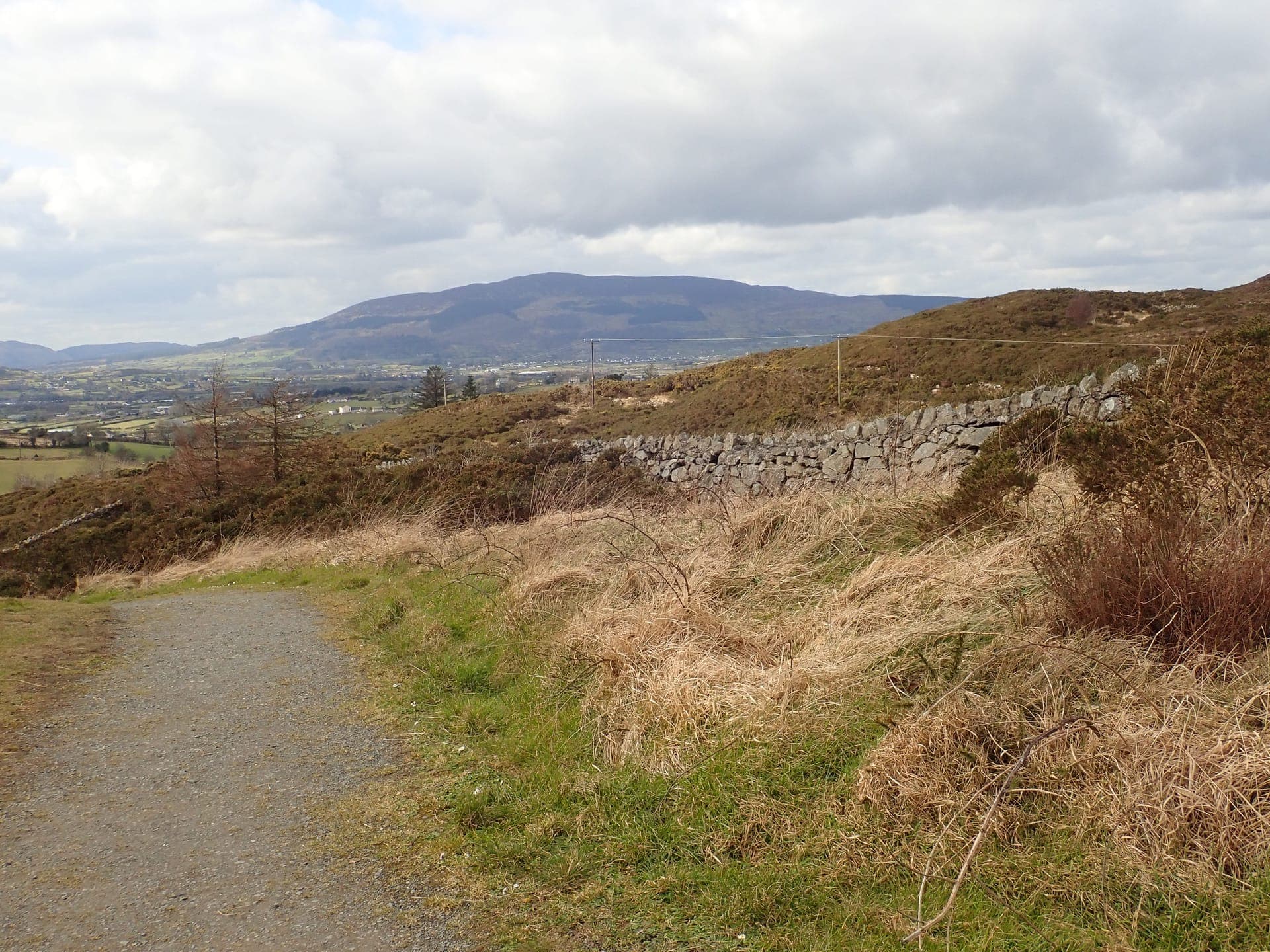
You can walk to Fionn's lake. The summit trail starts from Slieve Gullion Forest Park, at the southern base of the mountain. It is an 8km loop, graded moderate, and takes roughly three hours at a comfortable pace. The path climbs steadily through heather and open moorland, with views expanding at every turn, until you emerge onto the summit plateau and the lake appears below you — dark, still, and ringed with the same ancient rock that the Cailleach is said to haunt.
Walk past the lake to the passage tomb. Stand in the spot where the Neolithic builders stood five thousand years ago and look out over the volcanic ring. Then follow the path back down through Slieve Gullion Forest Park, where the Giant's Lair story trail brings the Fionn legend to life for younger visitors — interactive sculptures, storytelling panels, and a playground built around the mythology you have just walked through.
End with tea and something warm at the Courtyard café in the forest park. You've earned it. Fionn didn't get a café.
The Place
Loading map...
Slieve Gullion sits at the centre of the volcanic Ring of Gullion, south of Newry in County Armagh.
<em>Sliabh gCuillinn</em> — variously translated as ‘mountain of the steep slope’ or ‘holly mountain’ — rises to 573 metres at the heart of the Ring of Gullion, about 10km southwest of Newry. The forest park at its base is the main access point.
Slieve Gullion Forest Park has a scenic drive, adventure playground, the Giant's Lair family trail, and the Courtyard café. The summit trail starts from the car park at the top of the scenic drive. It's well-marked and maintained, though the upper sections are exposed — bring layers and waterproofs.
Coordinates
Slieve Gullion Summit:
54.1200°N, 6.4200°W
Forest Park Entrance:
54.0980°N, 6.3950°W
Parking
Forest Park car park:
Free parking at Slieve Gullion Forest Park. The scenic drive takes you to a higher car park closer to the summit trailhead.
Scenic Drive:
Open seasonally — check locally for times. Alternatively, walk from the lower car park (adds ~30 minutes each way).
The Visit
This is a real mountain walk — not a paved tourist path. The summit trail rewards you with one of the most atmospheric places in Ireland, but you need boots, a waterproof layer, and a willingness to earn the view. Start early, especially in summer, to have the lake to yourself.
The Summit Trail
An 8km loop from the forest park car park. Moderate difficulty with steady climbing. Allow 3 hours. The path is well-marked but exposed on the upper sections — the summit catches weather that the valley below doesn't.
The Passage Tomb
The south cairn near the summit lake is freely accessible. Please respect this 5,000-year-old monument — do not climb on the stones. The passage entrance faces the winter solstice sunrise.
Duration
3–4 hours (summit trail). Add 1–2 hours if you want to explore the forest park, Giant's Lair, and the Courtyard café afterwards. A half-day trip minimum.
Difficulty
Moderate. Slieve Gullion Forest Park is free to enter. The summit trail is open year-round. Sturdy walking boots essential. Not suitable for buggies or wheelchairs. Dogs welcome on leads.
What to Bring
- •This is a real mountain — weather changes fast. Bring waterproofs even on sunny days
- •The scenic drive through the forest park has seasonal opening hours — check before you go
- •The winter solstice (21 December) draws visitors who come to see light enter the passage tomb at dawn
- •Killeavy Old Churches are a short drive away — a 10th-century double church worth combining with the walk
- •The Ring of Gullion is part of the UNESCO Global Geopark — geology and mythology in one landscape
What to Look For
- •The summit lake — <em>Loch na gCailleach</em> — dark, still, and mist-shrouded more often than not
- •The Cailleach's House — the Neolithic passage tomb near the lake, aligned with the winter solstice
- •The volcanic ring — visible as a circle of hills around you from the summit
- •The eight-county panorama on clear days — Mournes, Sperrins, Cooley, and beyond
- •The Giant's Lair trail in the forest park — interactive Fionn sculptures and storytelling panels
The <strong>passage tomb at the summit</strong>. Over 5,000 years old, one of the highest surviving passage tombs in Ireland, aligned with the winter solstice sunrise. Stand at the entrance and look back the way the light comes in on the shortest day of the year. Then look out over the volcanic ring and understand why someone, five millennia ago, chose this exact spot.
Make a Day of It
Slieve Gullion is an easy side-trip from Newry or Rostrevor. Combine the summit walk with the forest park, Killeavy Old Churches, and the scenic drive around the Ring of Gullion for a full day.
While You're Here
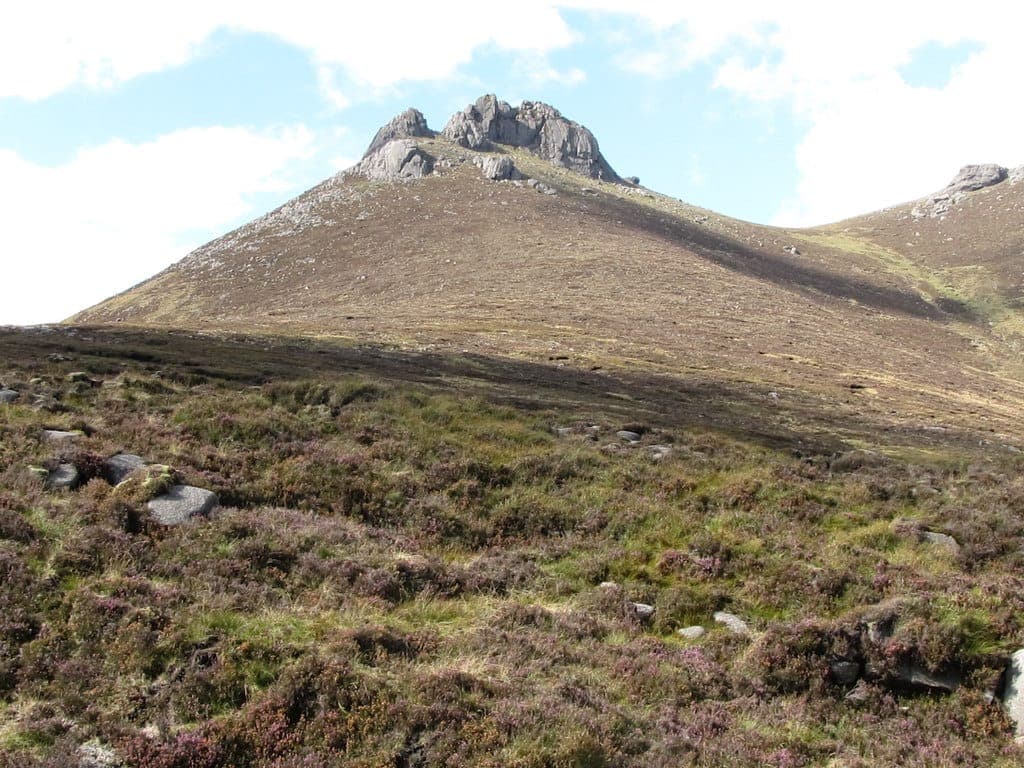
Three places worth exploring once you’ve visited.
More Stories to Discover
Every mountain, bridge, and ruin has a story. Here are a few more.
Myths & Legends
Discover More Stories
Giants, enchanted lakes, ghost lights, and fairy thorns. Every summit in the Mournes and Ring of Gullion has a story older than the maps.
Explore Myths & Legends