The Song He Scribbled on a Postcard
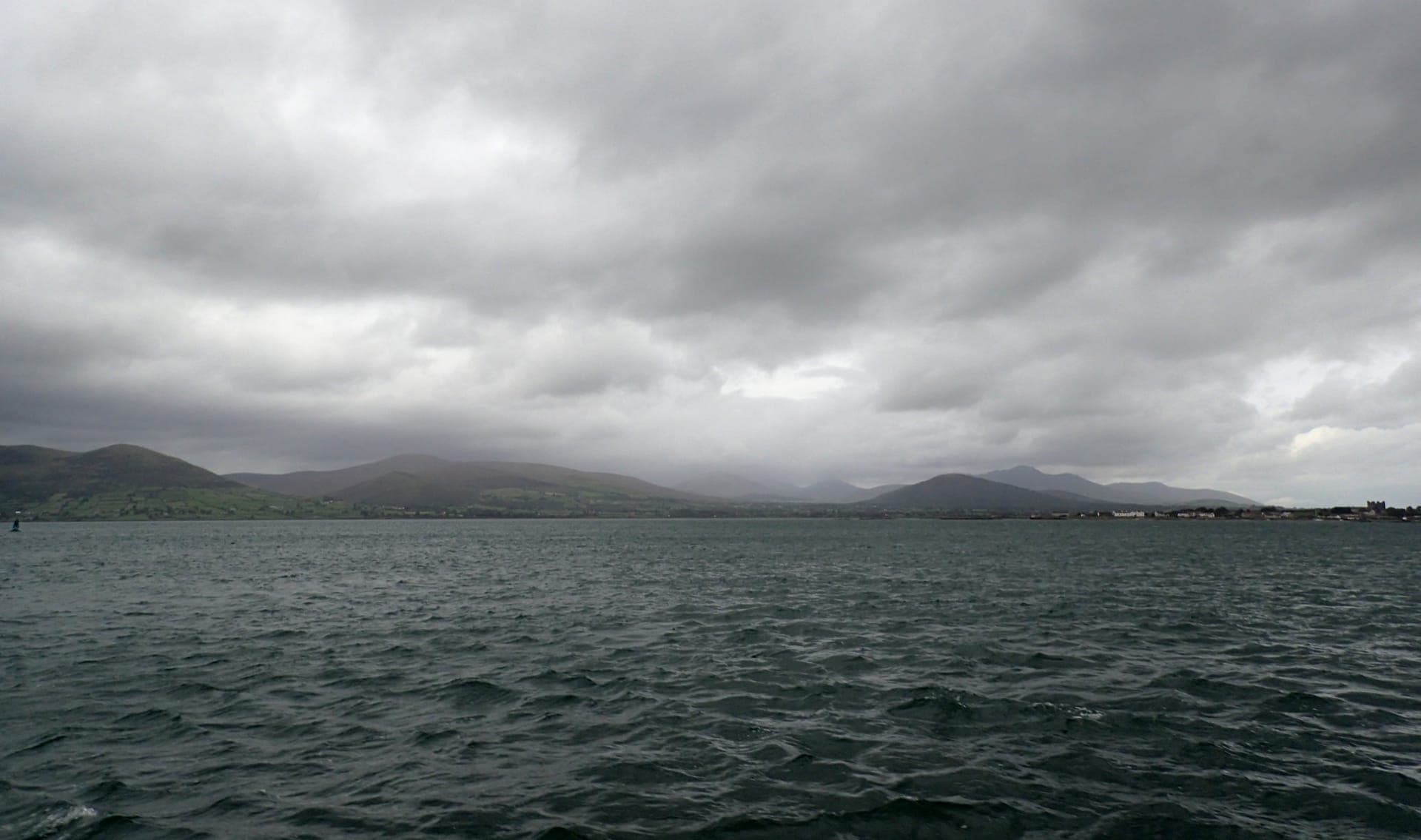
Percy French looked across the bay and saw the Mournes. He wrote one line on a postcard. It became the most famous song in Ireland.
Location
Newcastle promenade & coast road south
Time Needed
30 min to half a day
Difficulty
None (roadside viewpoint)
Best Season
Year-round (clearest in autumn)
Heritage
Percy French, c. 1896
The Story
The Painter on the Strand
Around 1894, a painter and entertainer named William Percy French was working on the strand at Skerries, a small seaside town north of Dublin. He was there to paint — watercolours were his first love, though he made his living as a songwriter and comic performer. On a clear day, looking north across the bay, he could see the outline of the Mourne Mountains rising on the far shore of the Irish Sea.
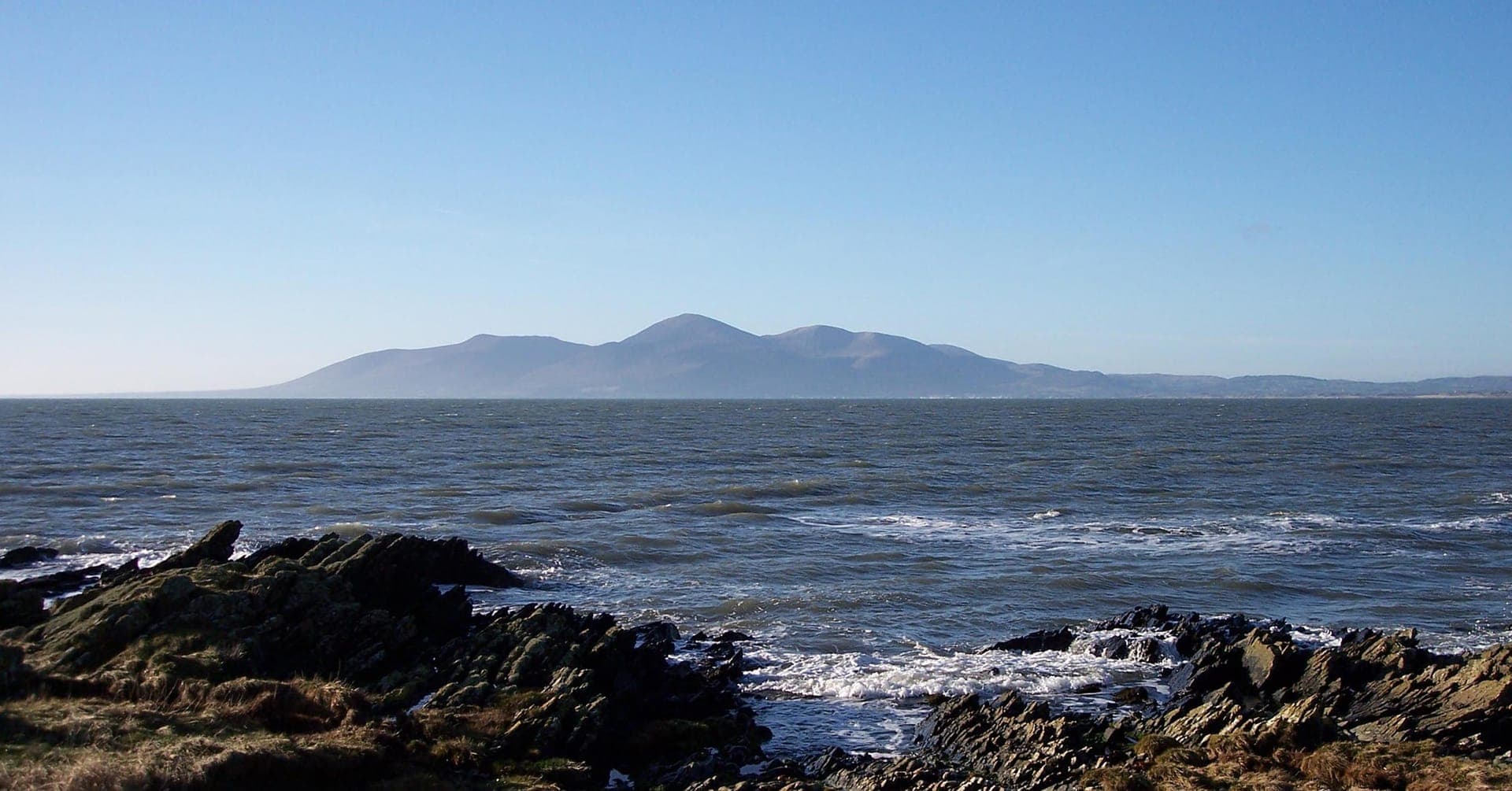
It was one of those views that stays in the mind. The mountains didn’t stop at the coast — they seemed to pour directly into the water, as if the land itself couldn’t decide where it ended and the sea began. French took a postcard and scribbled a line: “Where the Mountains of Mourne sweep down to the sea.”
“Where the Mountains of Mourne sweep down to the sea.”
A Song for the Homesick
The postcard became a song. French built “The Mountains of Mourne” around the voice of an Irish emigrant writing home from London — a man bewildered by the English capital, homesick for the hills of County Down. The tone is gentle and wry. London has beautiful women and grand buildings, he writes, but he’d trade it all for the sight of those mountains meeting the sea.
French’s friend Houston Collisson set the words to the traditional Irish air “Carrigdhoun” (from the Irish Carraig Dhoun — ‘the brown rock’). The melody was already beloved in Ireland. Paired with French’s words, it became something that would outlast them both.
“The song is an emigrant’s whimsical letter home from London — homesick, funny, and entirely rooted in the view of one particular coastline.”
The Guest at Mourne Park
French knew the Mournes up close, too. He visited Mourne Park House as a guest of the Kilmorey family — the great estate near Kilkeel whose grounds would later house American GIs preparing for the D-Day landings. It was one of those big Irish country houses that attracted artists, politicians, and performers in equal measure. French painted, entertained, and soaked in the landscape that had already made its way into his most famous line.
The song made the Mournes the best-known mountains in Ireland. It has been recorded by Don McLean, Josef Locke, Ruby Murray, The Dubliners, and dozens of others. It became an anthem for Irish emigrants everywhere — a song that conjures a specific place so vividly that people who have never visited can picture it. And when they finally arrive and see the mountains actually sweeping down to the sea, they understand immediately. The song didn’t exaggerate. The view is exactly as he described it.
“People who have never visited can picture it. And when they finally arrive and see the mountains actually sweeping down to the sea, they understand immediately.”
The Place
Loading map...
Newcastle promenade south along the coast road — the route follows the famous view where the Mournes meet the sea.
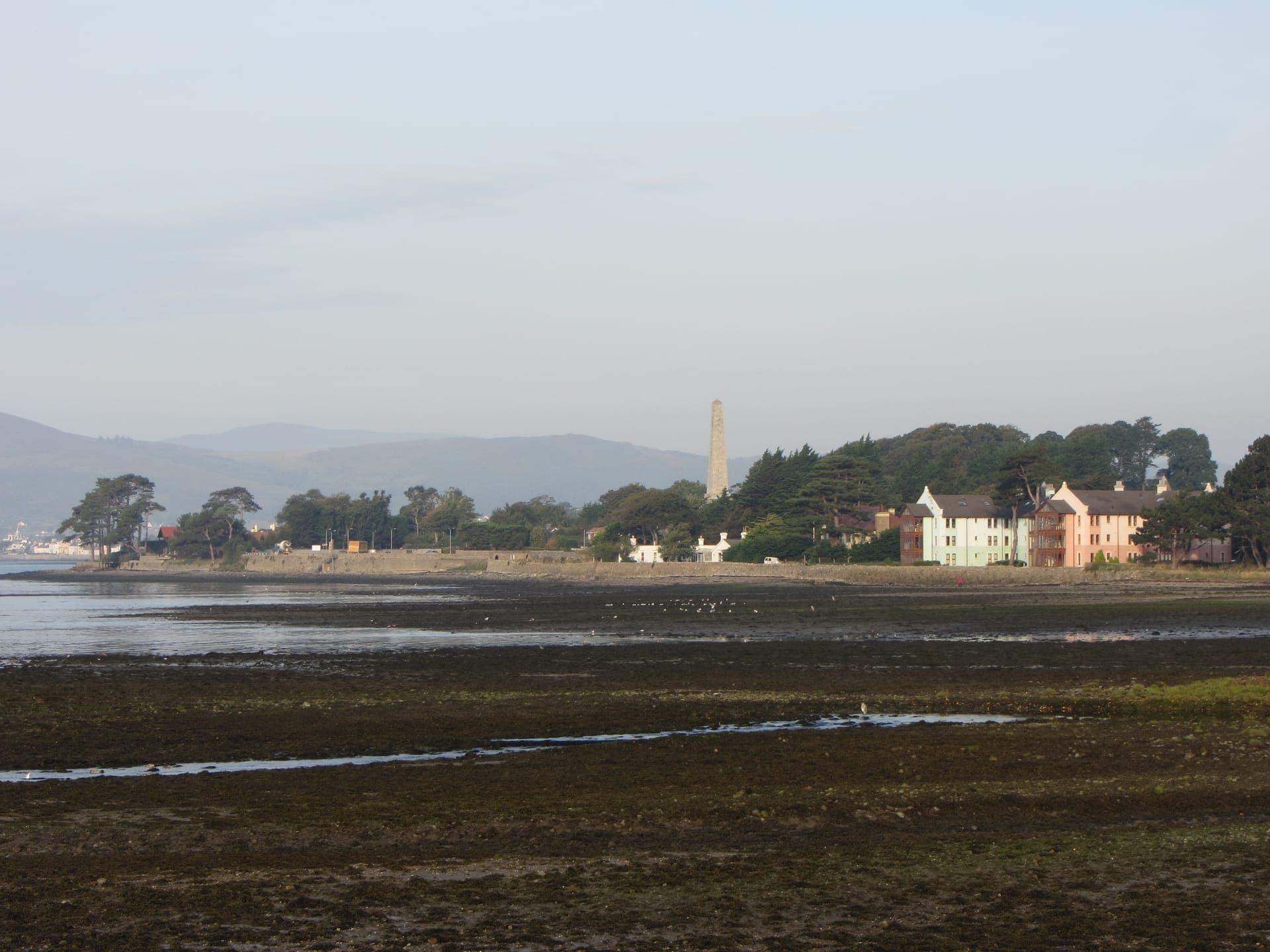
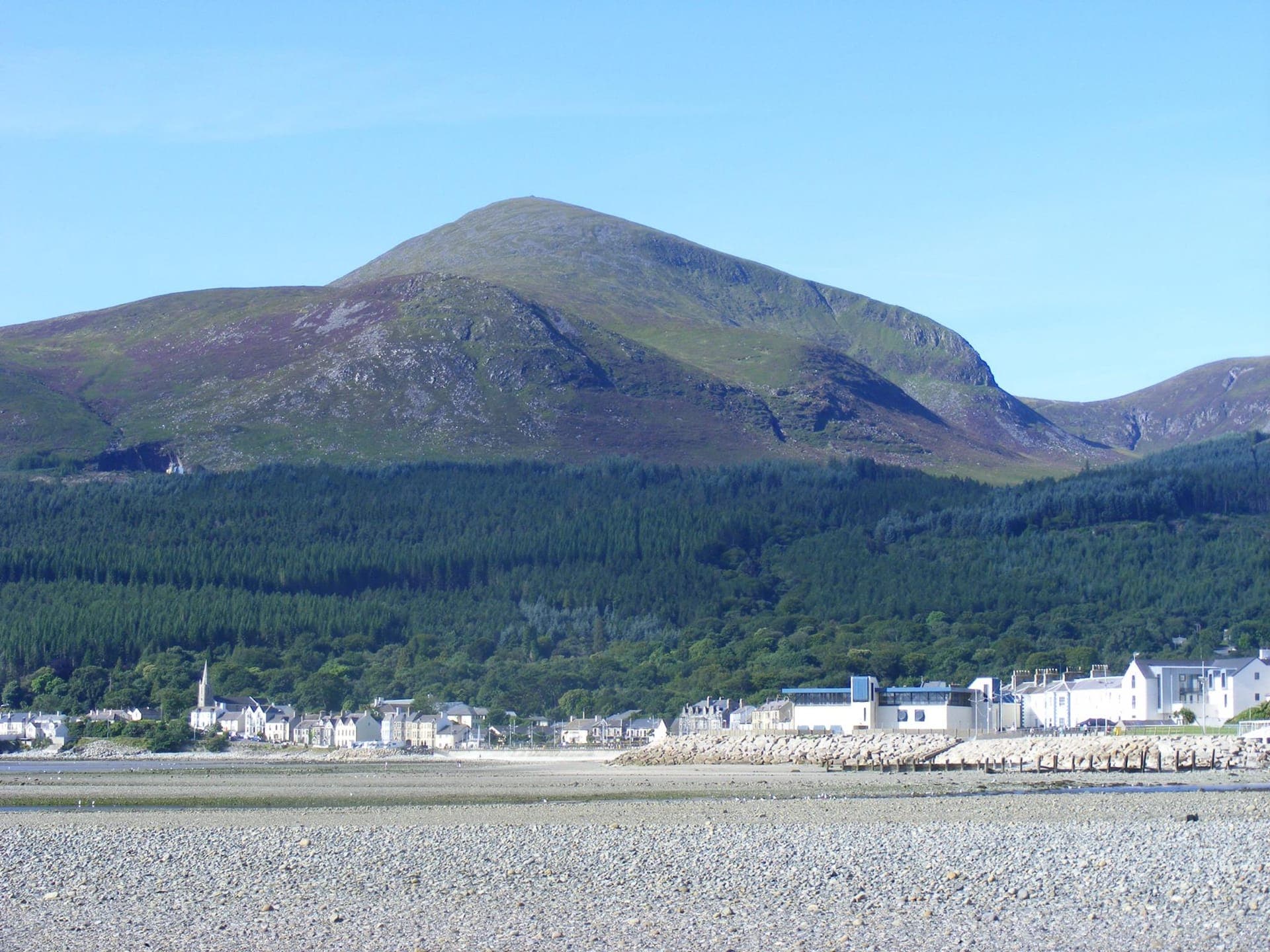
The viewpoint is not a single spot with a brass plaque — it’s an entire stretch of coastline. But the best place to stand and understand what French saw is the southern end of Newcastle’s promenade, where the town gives way to the coast road and the full sweep of the Mournes opens up before you. <em>Sliabh Donard</em> towers directly above; the smaller peaks ripple south toward Kilkeel; and the sea fills the foreground.
Drive south along the A2 coast road from Newcastle and the view only gets better. The mountains press close to the road on one side; the Irish Sea stretches out on the other. This is the landscape French painted, the landscape he put into words, and the landscape that has drawn visitors to County Down ever since.
Coordinates
Newcastle Promenade:
54.2110°N, 5.8890°W
Coast Road Viewpoint:
54.2055°N, 5.8870°W
Parking
Newcastle:
Several car parks along the seafront and promenade. Pay & display. The southern end of the promenade gives the best mountain-to-sea views.
Coast Road:
Lay-bys and pull-in points along the A2 south of Newcastle. Bloody Bridge car park is a popular stop with dramatic coastal views.
The Visit
This isn’t a hike or a hidden find — it’s a view you can see from a car window, a park bench, or the end of a promenade walk. The pleasure is in knowing the story first, and then standing where the song began and feeling exactly what French felt.
Where to Stand
The southern end of Newcastle promenade, looking south. <em>Sliabh Donard</em> rises directly behind the town; the coast road stretches ahead. This is where the full sweep hits you.
The Drive
Take the A2 south from Newcastle toward Kilkeel. The road hugs the coast while the mountains press in from the west. Pull over at any lay-by — each one reveals a different angle on the view French described.
Duration
10 min to half a day. A quick stop at the promenade takes 10 minutes. The coastal drive south to Kilkeel is about 40 minutes without stops — but you will stop, because the views won’t let you pass.
Difficulty
None. Roadside viewpoint and promenade walk. Fully accessible.
What to Bring
- •A camera — this is one of the most photographed views in Northern Ireland
- •Binoculars to pick out individual summits along the mountain chain
- •A light jacket — the coast can be breezy, even on fine days
- •The words to the song, so you can sing it where it was written
What to Look For
- •The way the mountains don’t just meet the coast — they seem to pour into it
- •<em>Sliabh Donard</em> (850m) dominating the skyline from the promenade
- •The chain of peaks stretching south — Chimney Rock, Binnian, Lamagan
- •How the light changes the mountains — grey in cloud, purple at dusk, golden at dawn
- •The Slieve Donard Resort & Spa, whose Percy French restaurant is named for the songwriter
Stand at the southern end of Newcastle promenade on a clear evening and watch the sun drop behind the mountains while the sea turns gold. This is the moment Percy French captured — the exact interplay of mountain, sea, and light that has drawn people to this coast for over a century. No photograph does it full justice. You have to be there.
Make a Day of It
Pair the viewpoint with the full Mourne coastal drive — Newcastle south through Annalong and Kilkeel to Rostrevor, with mountains on one side and the Irish Sea on the other.
While You're Here
Three places worth exploring once you’ve visited.
More Stories to Discover
Every mountain, bridge, and ruin has a story. Here are a few more.
Discover
Discover More Stories
The Mourne Mountains are full of hidden things — songs scribbled on postcards, ice houses buried in hillsides, dolmens in farmers’ fields, and tales the guidebooks never tell.
Explore All Stories