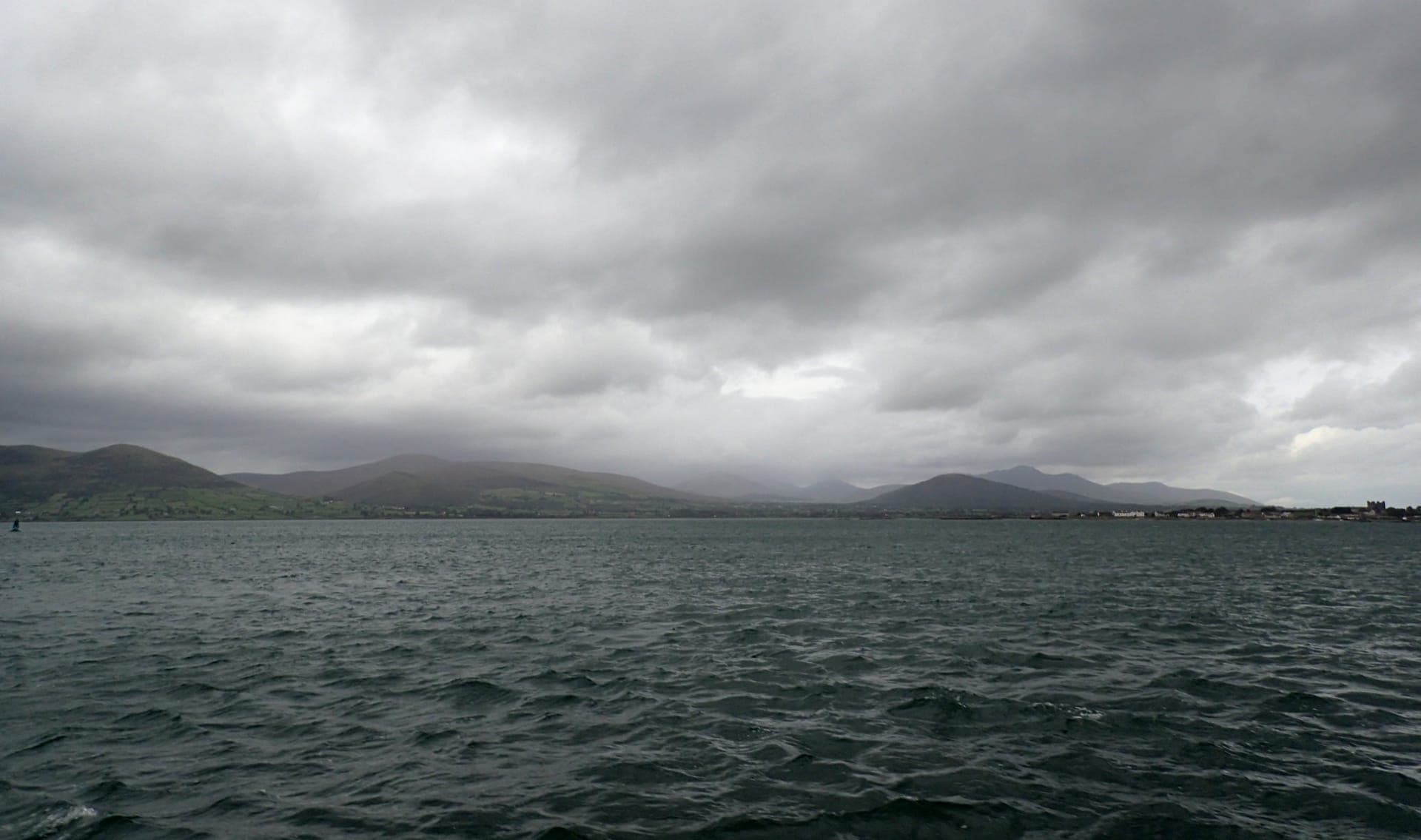
The Woman Still Riding Through the Mist
Sheelagh rode into these mountains and never came back. The lough that bears her name is the largest natural lake in the Mournes — remote, wild, and wrapped in mist more often than not.
Location
High Mournes, south of Spelga Dam
Time Needed
3–4 hours return
Difficulty
Moderate (remote, boggy ground)
Best Season
May–October
Distance
~8 km (5 miles) return
The Story
The Ride That Never Ended
Sheelagh was the daughter of a local clan chief, and she loved to ride. The story goes that one autumn morning, with mist sitting low on the hills, a fox broke from the bracken in front of her horse. Without thinking, she gave chase — uphill, into the mountains, deeper than she had ever ridden before.
The fox led her higher, through heather and over loose granite, past the places where the tracks gave out and the ground turned soft and treacherous. When the mist thickened around her, she lost the fox, lost her bearings, and lost the way home. She never returned.
“She rode into the mist and never came back. But the people who live below these mountains will tell you she never left, either.”
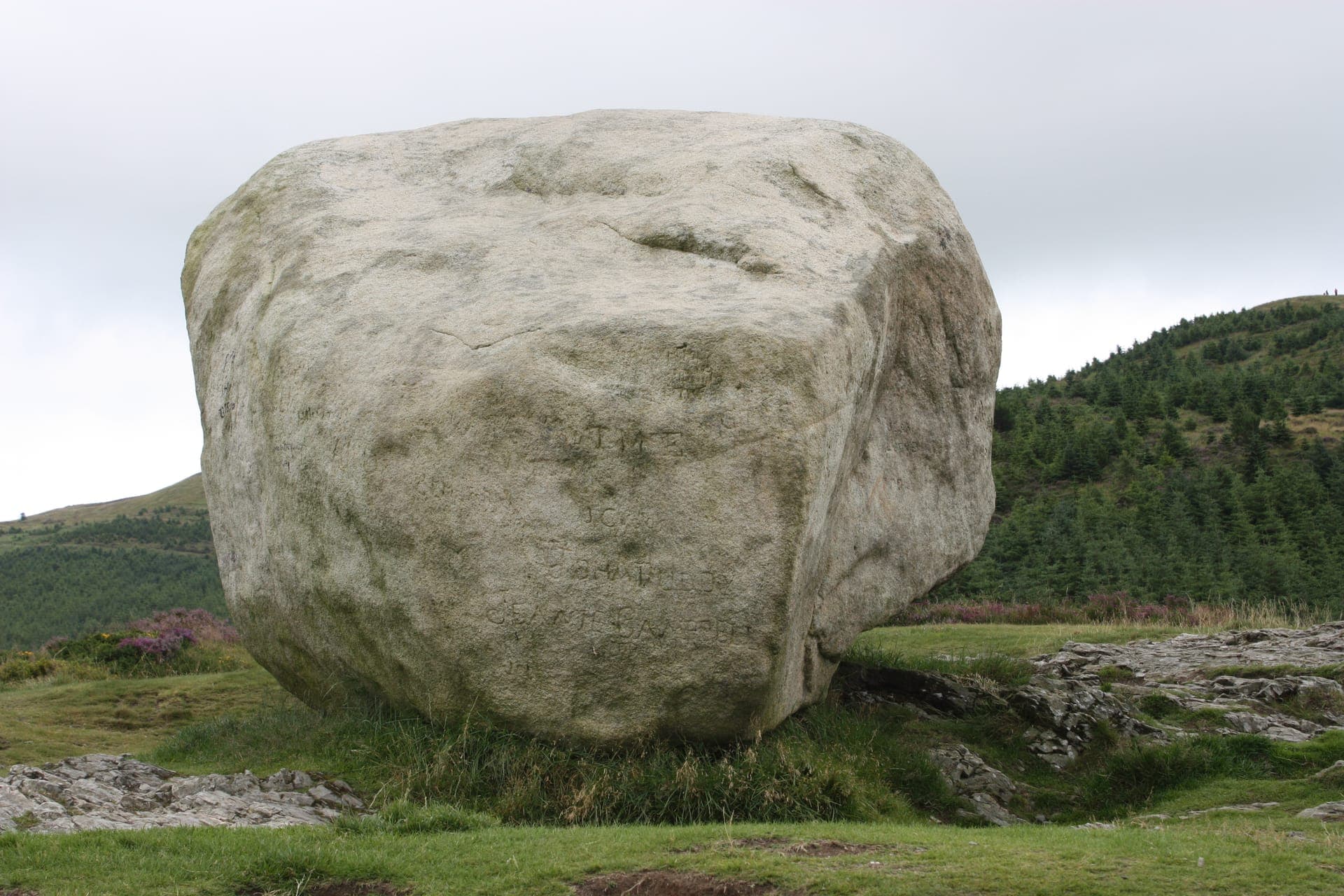
Loch Seancháin — Still Searching
The local tradition says that Sheelagh is still out there. When the mist descends on Loch Seancháin — Lough Shannagh — people have reported seeing a figure on horseback, splashing through the shallows at the western end of the lough, circling, always searching. Some say the sound of hoofbeats carries across the water even when no one is there. Others say it is only the wind and the rain on the surface of the lough. But none of them will walk up there alone in thick fog if they can help it.
The story belongs to a tradition of vanishing women in Irish folklore — figures who cross a threshold into the wild and are absorbed by it. What makes this version different is that the landscape is still here, unchanged. The lough is still remote. The mist still rolls in without warning. And when you stand at the shore on a grey day, with visibility down to a hundred metres and the mountains invisible around you, the story does not feel like folklore. It feels like weather.
“When you stand at the shore on a grey day, with the mountains invisible around you, the story does not feel like folklore. It feels like weather.”
The Wildest Lake in the Mournes
Lough Shannagh is not a convenient place to visit. It sits in a glacial hollow in the heart of the High Mournes, surrounded by Sliabh Muc (Slieve Muck, 674m) to the south-east, Carn Mór (Carn Mountain, 588m) to the north-east, and the broad, boggy saddle leading toward Silent Valley to the south. There is no road. There is no signpost at the lough itself. You walk in, and you walk out, and in between you are about as alone as it is possible to be in the north of Ireland.
The water is dark and peaty, fed by mountain streams that drain the surrounding slopes. On a still day, when the cloud lifts, the lough reflects the granite ridgeline so perfectly that you cannot tell where the mountain ends and the water begins. On a rough day, the wind funnels through the valley and kicks the surface into small, sharp waves. It is one of those places that changes character with the weather — which, in the Mournes, means it changes character several times a day.
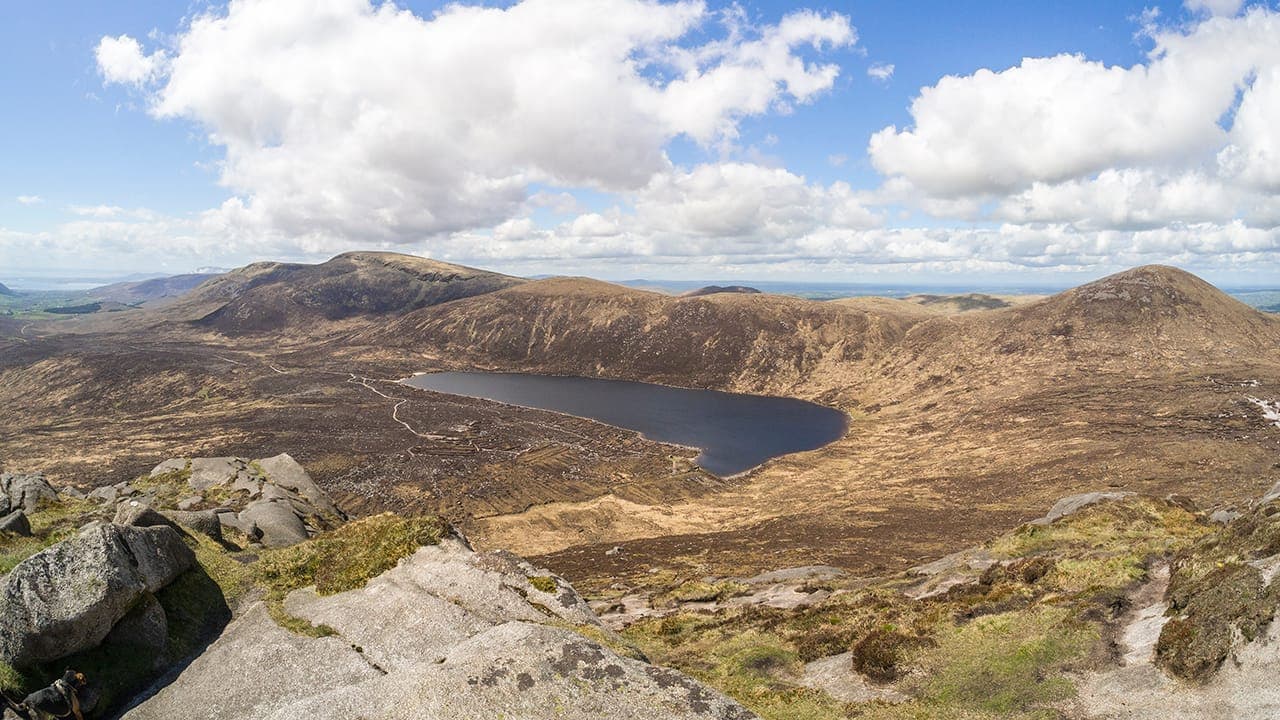
“There is no signpost at the lough. You walk in, and you walk out, and in between you are about as alone as it is possible to be in the north of Ireland.”
The Place
Loading map...
The Ott Track from Ott car park south toward Lough Shannagh. Slieve Muck rises to the south-east; Spelga Dam lies to the north.
Lough Shannagh sits deep in the High Mournes, roughly 4km south of Spelga Dam. There is no direct road access. The most common approach is via the Ott Track, an old mountain road that leads south from Ott car park on the Hilltown–Kilkeel road (B27). The walk is about 4km each way over open, boggy terrain.
The alternative is from the Banns Road car park to the west, following the old Banns Road south-eastward into the valley. This route is slightly longer but gives better views of the surrounding peaks. Both approaches are exposed, with no shelter once you leave the car park. Be prepared for the ground to be wet and the weather to change quickly.
Coordinates
Lough Shannagh:
54.1500°N, 5.9700°W
Ott Car Park:
54.1605°N, 5.9665°W
Parking
Ott Car Park:
On the B27 (Hilltown–Kilkeel road). Small, free, unsurfaced. Space for around 10–15 cars. Can be muddy after rain.
Banns Road Car Park:
Further west on the B27. Slightly longer walk in but less busy.
The Visit
This is a real mountain walk, not a stroll. The terrain is boggy and exposed, the path is indistinct in places, and the weather can close in fast. But the reward is one of the most beautiful and isolated places in the Mournes — a glacial lake surrounded by silence, with nothing between you and the mountains.
Ott Car Park
Ott car park on the B27 (Hilltown–Kilkeel road). Head south along the Ott Track, an old mountain road that leads into the heart of the Mournes. The track becomes indistinct after about 2km — navigate by keeping Slieve Muck to your left.
Banns Road (Alternative)
Banns Road car park, further west on the B27. Slightly longer walk in but less busy.
Duration
3–4 hours return. If you add the summit of Slieve Muck, allow an extra 1–2 hours.
Difficulty
Moderate. Remote, boggy ground. Weather can change rapidly. Not recommended in poor visibility without good navigation skills.
What to Bring
- •Proper walking boots — the ground is boggy and uneven throughout
- •Full waterproofs — top and bottom. Weather changes in minutes up here
- •Map and compass (OS Sheet 29). Do not rely on phone signal
- •Food and water — there is nothing at the lough and nowhere to buy anything nearby
- •A warm layer even in summer — 390m elevation with no shelter from the wind
What to Look For
- •The Mourne Wall running along the ridge south of the lough
- •The reflection of the ridgeline in the water on a still day
- •Mountain hares — brown in summer, white in winter, fast all year round
- •The dark peat water and the streams feeding the lough from the surrounding slopes
- •Mist closing in on the lough — and if you’re very lucky, the sound of hoofbeats
If you reach Lough Shannagh on a day when the mist is down, stay a while. The silence is extraordinary — no roads, no buildings, no sound except water and wind. The mist drifts across the surface of the lough in long, slow ribbons. This is the view Sheelagh is still riding through. You will not forget it.
Make a Day of It
Combine the walk to Lough Shannagh with the summit of Slieve Muck for one of the finest mountain days in the Mournes. Drive to Spelga Dam afterward for sunset views.
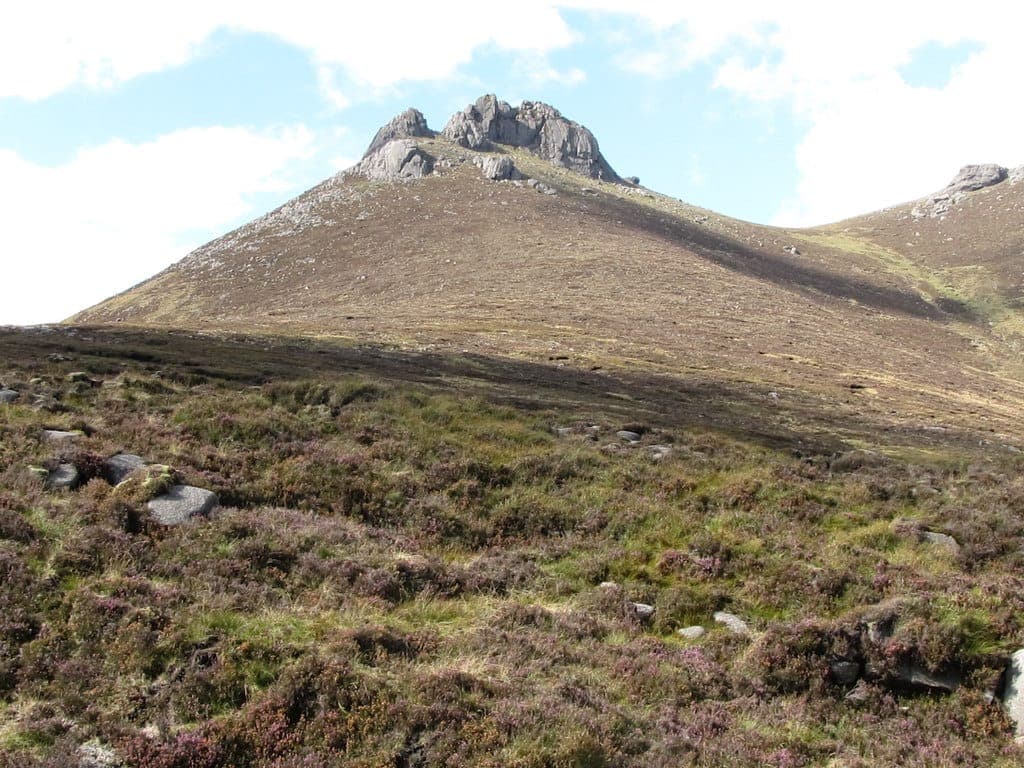
While You're Here
Three places worth exploring once you’ve visited.
More Stories to Discover
Every mountain, bridge, and ruin has a story. Here are a few more.
Discover
Discover More Stories
The Mourne Mountains are full of hidden things — ghosts in the mist, giants in the granite, and tales the guidebooks never tell.
Explore All Stories