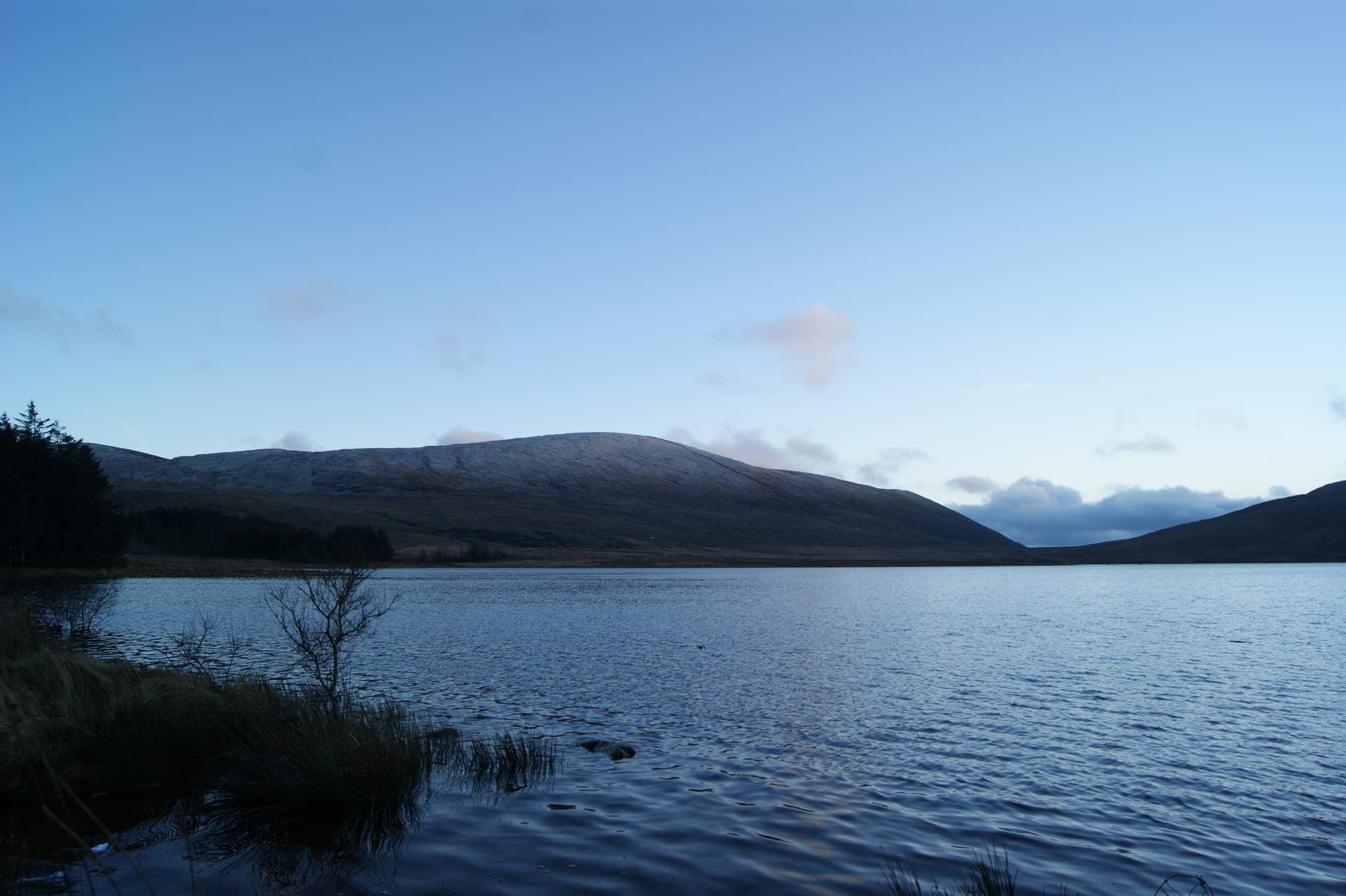
Dark Skies Over the Mournes
A Stargazer's Guide to the Darkest Skies in Northern Ireland
Duration
Evening / Night
Theme
Stargazing
Transport
Driving + Walking
Best Season
Sept - March
Region
High Mournes
The Trip at a Glance
The Mourne Mountains have something most of these islands have lost: genuinely dark skies. No motorways cutting through. No cities on the doorstep. The nearest significant light pollution comes from Belfast, 30 miles to the north, blocked by a wall of granite peaks. On a clear night from Spelga Dam or Silent Valley, the Milky Way is not a suggestion — it is a bright, unmistakable band of light stretching from horizon to horizon. You can see the Andromeda Galaxy with the naked eye. Shooting stars leave trails that make you catch your breath. This is not specialist territory — anyone with warm clothes and a clear night can see things that would be invisible from any city in Britain or Ireland.
Who It's For
Everyone from first-time stargazers to serious astrophotographers. Five spots graded from car-park easy to remote wilderness.
What It Covers
The Milky Way, Andromeda Galaxy, meteor showers, the International Space Station, and more stars than you thought existed
What to Bring
Red-filtered torch, warm layers (more than you think), hot drink in a thermos, star chart app, and binoculars if you have them
“The Milky Way core is visible from the Mournes between March and October. The best months are April through September, when the galactic centre rises high enough to clear the southern horizon. On a moonless night from Spelga or Binnian, it looks like someone spilled light across the sky.”
Milky Way Season: March - October
The Route
Five Dark-Sky Locations
Graded from beginner to advanced. Pick the one that matches your experience, your fitness, and how cold you're willing to get.
Dinner Before Dark
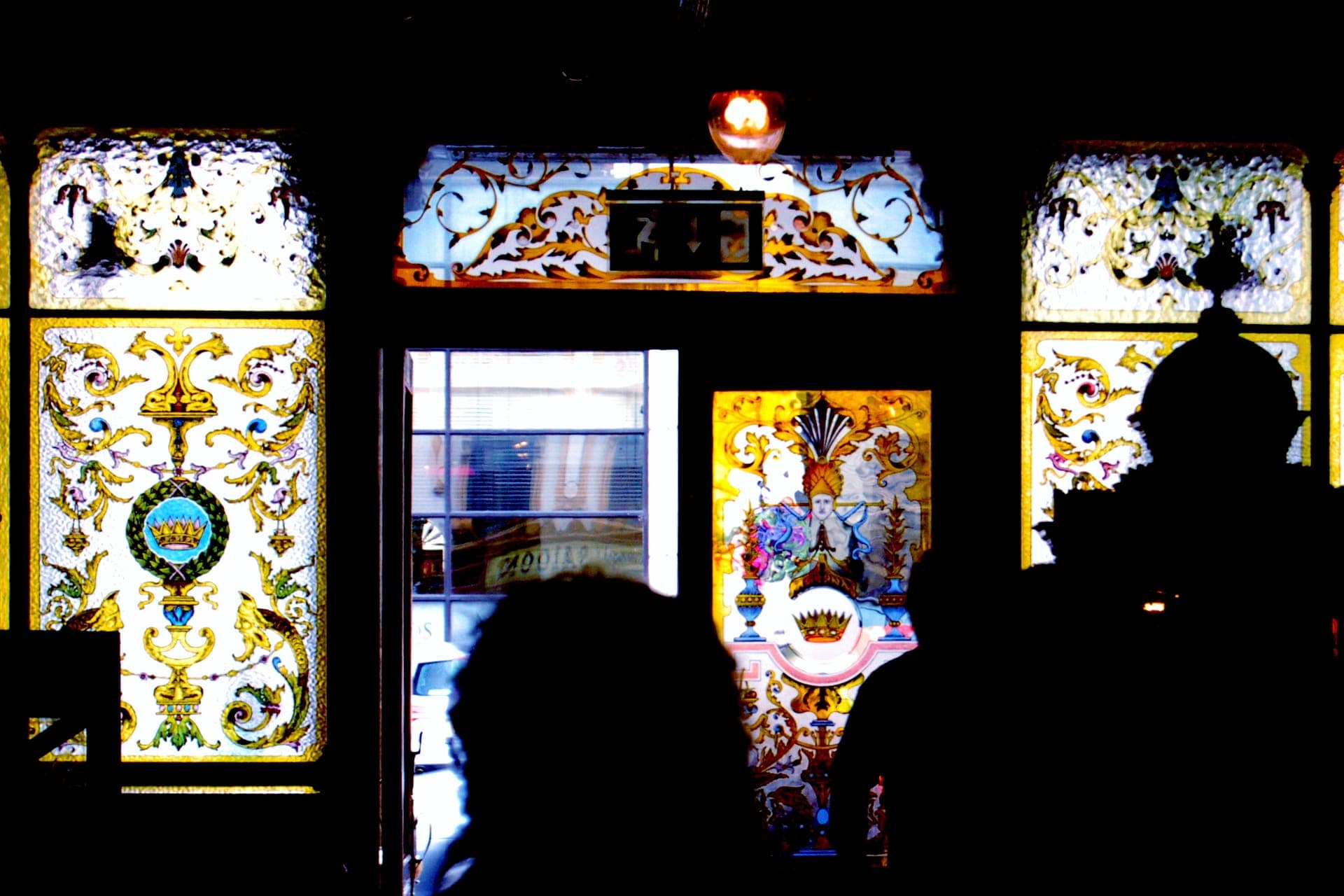
1 - 1.5 hoursStart your evening right. Eat before you head into the mountains — you want a full stomach, warm hands, and no reason to rush back. Get a proper meal in Newcastle or Kilkeel before sunset. The Kilmorey Arms Hotel in Kilkeel does a solid early evening menu, or try Brunel's Restaurant in Newcastle for something hearty before the cold sets in. Check opening hours — winter evenings mean some kitchens close early. Fill a thermos with tea or coffee. You'll thank yourself at midnight.
Spelga Dam — The Easy One
1-2 hoursSpelga Dam (*Speilg*) sits at 350 metres in the heart of the Mournes, surrounded by open bogland with an unobstructed 360-degree sky. This is where you start. Drive up from Hilltown on the B27 and park in the main car park. The light pollution here is minimal — the nearest town glow comes from Newcastle to the east, but the bulk of the sky overhead is genuinely dark. On a clear night you can see the Milky Way arching over Slieve Muck without any optical aid at all. No walking required. Spread a blanket on the bonnet of your car, lean back, and look up. This is the best beginner spot in the Mournes — accessible, safe, and dark enough to make your jaw drop.
The strange magic of Spelga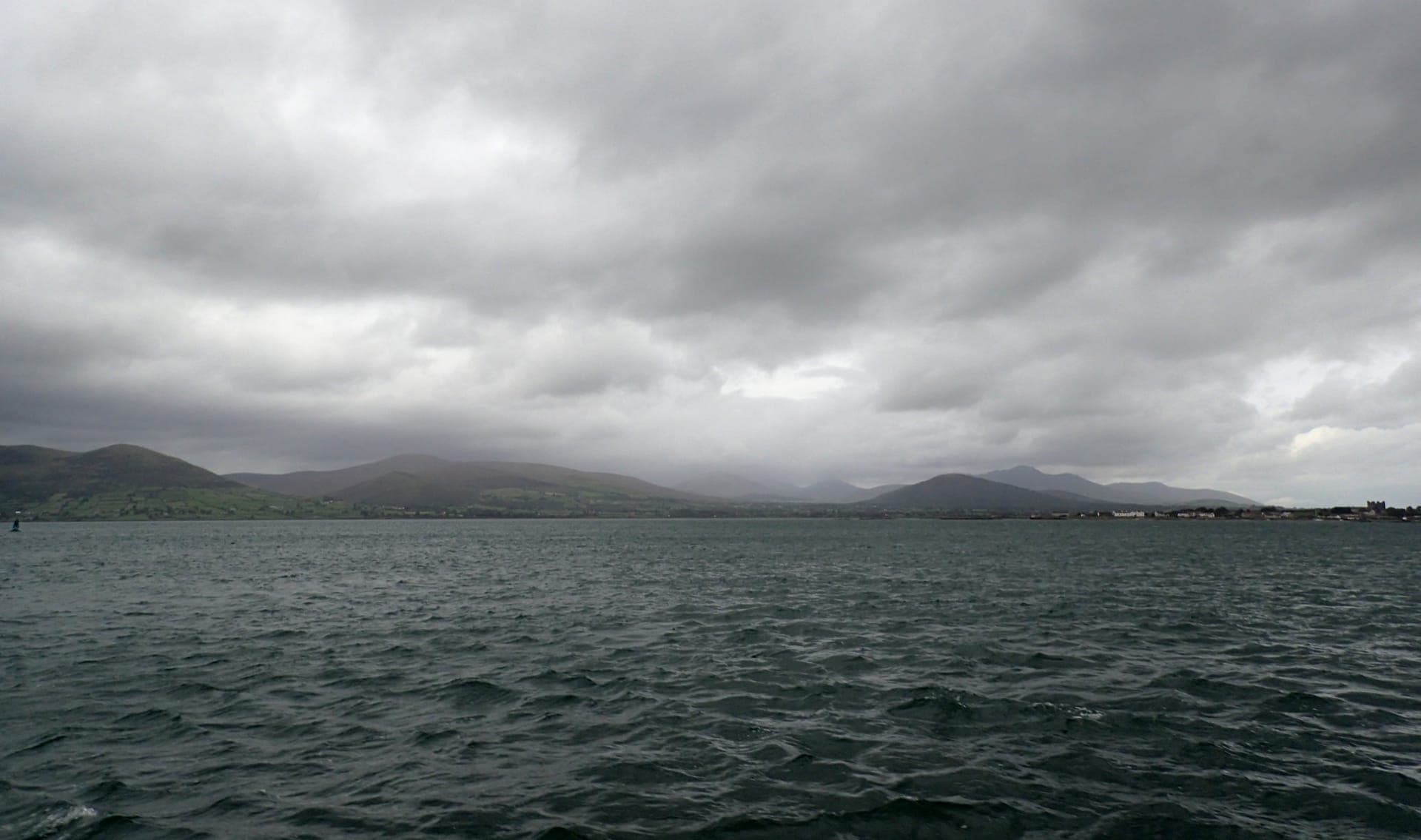
Silent Valley — Total Darkness
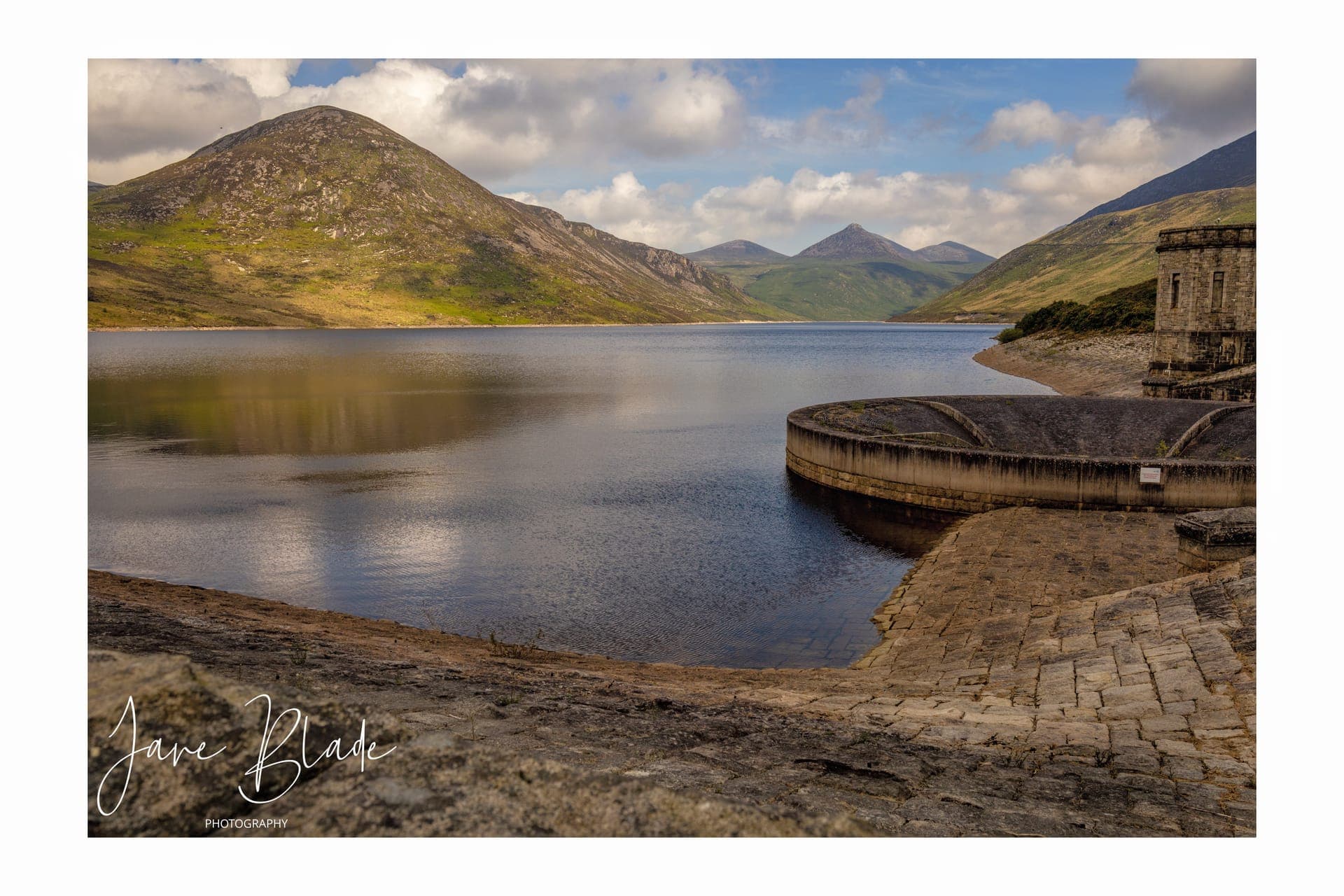
1-2 hoursSilent Valley reservoir sits in a deep basin ringed by the highest peaks in the Mournes. When the access gates close in the evening, the valley empties of people and light. The darkness here is extraordinary — the surrounding mountains block virtually all ambient glow from the coast. The reservoir surface acts as a mirror, doubling the stars on still nights. Drive the Kilkeel road and park at the main entrance. The short walk along the access road to the reservoir is flat and straightforward even in the dark. Bring a head torch with a red filter (or tape red cellophane over a regular one — red light preserves your night vision). The valley earned its name because the workers building the dam in the 1920s and 30s thought the silence of the place was eerie. At night, under stars, you'll understand.
The valley that fell silent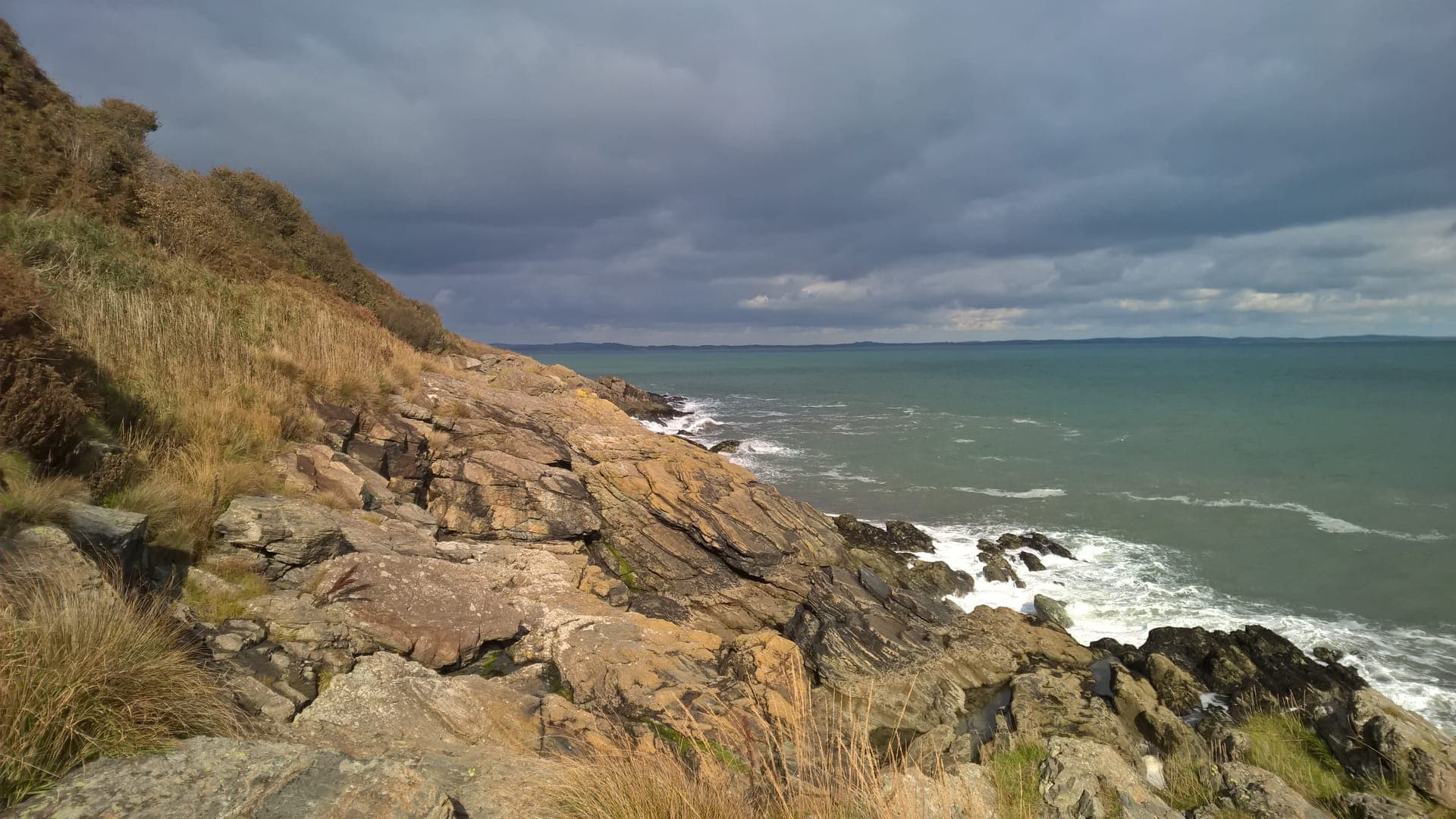
Bloody Bridge Beach — The Coastal Option
1-2 hoursFor meteor showers, you want a wide, unobstructed horizon — and that means the coast. Bloody Bridge (*Droichead Fuilteach*) sits five minutes south of Newcastle on the A2. Park in the small car park and walk the short path down to the rocky beach. The Irish Sea opens up to the east and south, giving you a vast sweep of sky impossible to get inland where the mountains close in. This is the spot for the Perseids in August (radiant in the northeast) and the Geminids in December (radiant high overhead). The sound of waves. The smell of salt. Meteors streaking across the water. It is quite something. The beach is rocky — bring a mat or folding chair rather than expecting sand. And stay back from the water's edge in the dark.
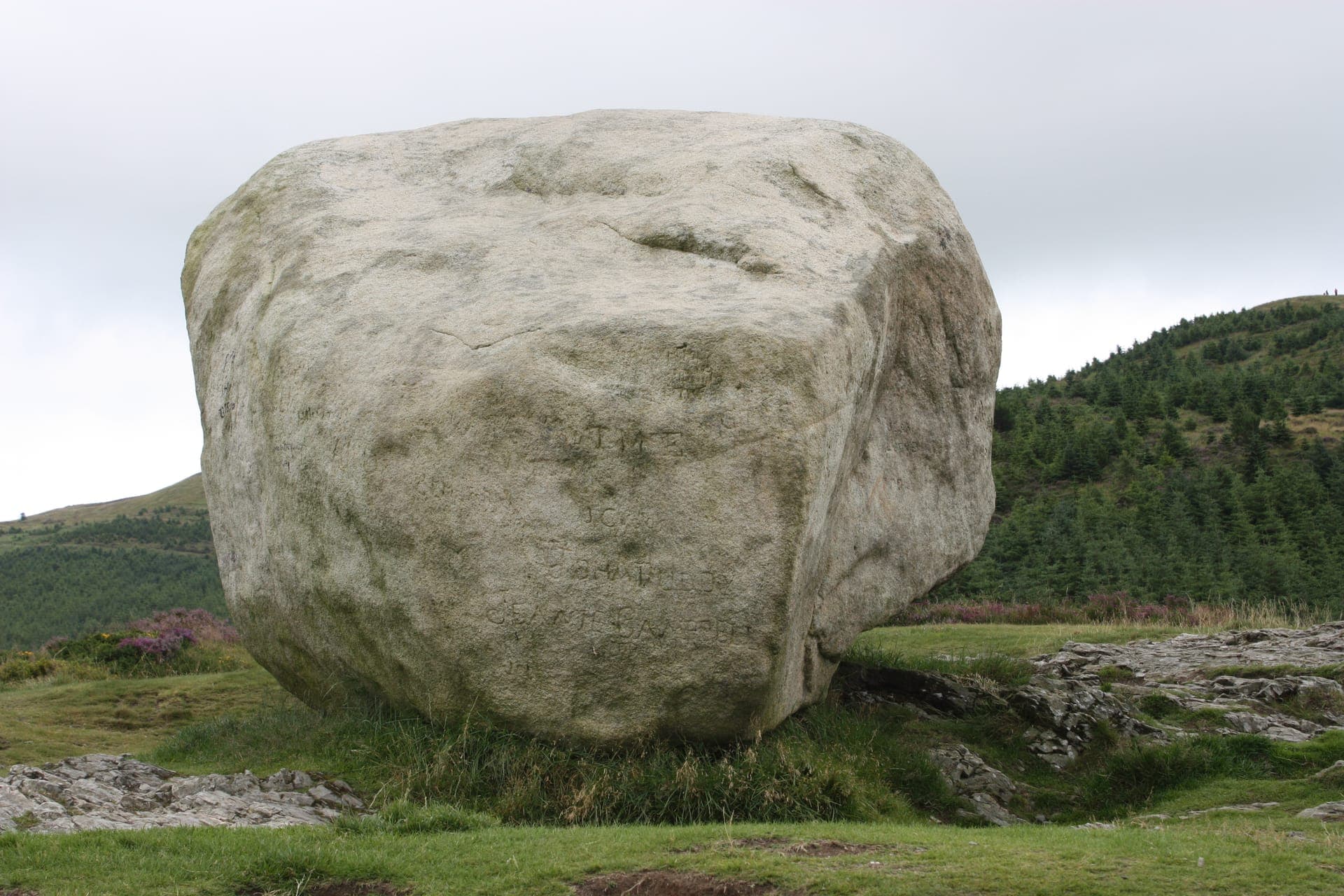
Slieve Binnian Col — The Dramatic One
4-5 hours (round trip)This is for experienced hill walkers only. The col between Slieve Binnian's north and south tors sits at around 650 metres, above the tree line, with the extraordinary granite tors silhouetted against the sky. The tors make breathtaking foreground for astrophotography — jagged shapes that look like ruined castles against the Milky Way. Approach from Carrick Little car park on the western side. The path is well-worn but you are navigating by head torch, so know the route in daylight first. Allow 1.5 hours up. The exposure up here is serious — wind chill at altitude in winter can drop well below freezing. This is not a casual outing. But if you are properly equipped and experienced, Binnian's col on a clear winter night is one of the most extraordinary places in Ireland.
The ghost light on Binnian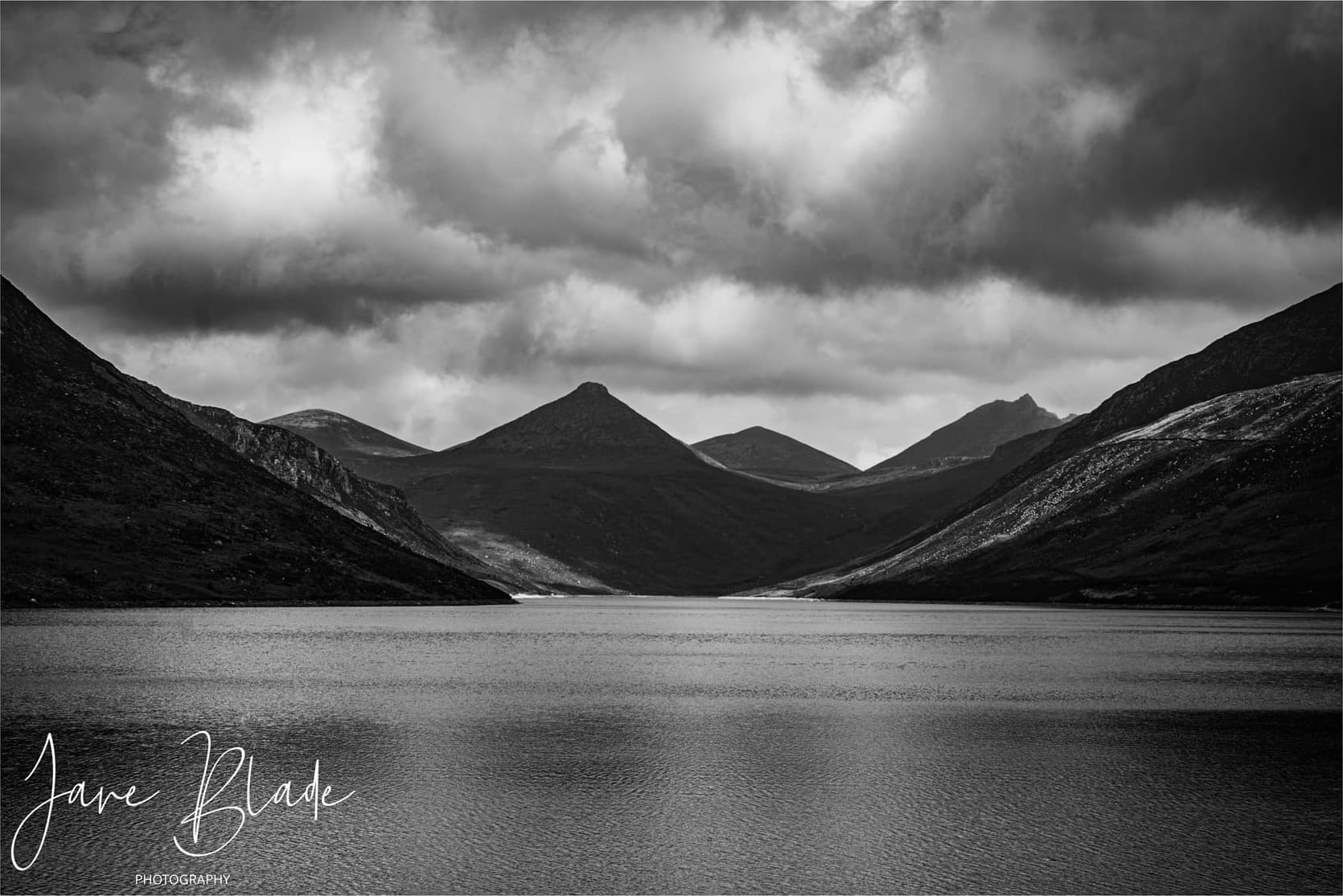
Lough Shannagh — The Remote One
Overnight bivvy recommendedLough Shannagh (*Loch Seannach*) is the largest natural lake in the Mournes, sitting in a remote hollow between Slieve Muck and Carn Mountain at around 400 metres. There is nothing here. No roads, no buildings, no light. The nearest artificial light source is kilometres away. This is as dark as it gets in Northern Ireland. The approach is long — typically 1.5-2 hours from Ott car park on the Trassey Road, or a similar distance from Spelga. This is a place for serious, well-prepared walkers who are comfortable navigating in total darkness. Bivvy by the lough shore, lie back, and you will see a sky that most people in these islands will never see. The Milky Way is not a faint smudge here — it is a river of light stretching from horizon to horizon. Stars you never knew existed. If you have the experience and the fitness, this is the ultimate.
Insider Tips
Check the moon phase before you go. A full moon washes out all but the brightest stars. The best stargazing happens within five days either side of a new moon.
Dress for standing still in the cold, not for walking. You will get colder than you think. Multiple layers, hat, gloves, and a windproof outer. Sitting on the ground drains heat fast — bring a mat or chair.
Give your eyes 20-30 minutes to fully adapt to the dark. One glance at a phone screen resets your night vision. Use a red-filtered torch for everything. Tape red cellophane over a regular head torch if needed.
Never walk mountain paths at night unless you know the route in daylight. Spelga Dam and Bloody Bridge are safe for beginners. Binnian and Lough Shannagh are for experienced walkers only.
For astrophotography: manual focus to infinity, ISO 1600-3200, 15-25 second exposure, widest aperture you have. A sturdy tripod is essential. Use a 2-second timer or remote to avoid camera shake.
Download a star chart app (Stellarium or SkySafari) before you leave. Set it to night mode so it won't ruin your dark adaptation. Point it at the sky and it will name everything you can see.
More Itineraries
Explore more ready-made trip plans for the Mourne region
Stories Along This Route
Discover the tales woven into the places you'll visit.
Ready for a Night in the Mournes?
Get practical information on getting here, where to stay, and everything you need to plan your stargazing trip.
Plan Your Trip