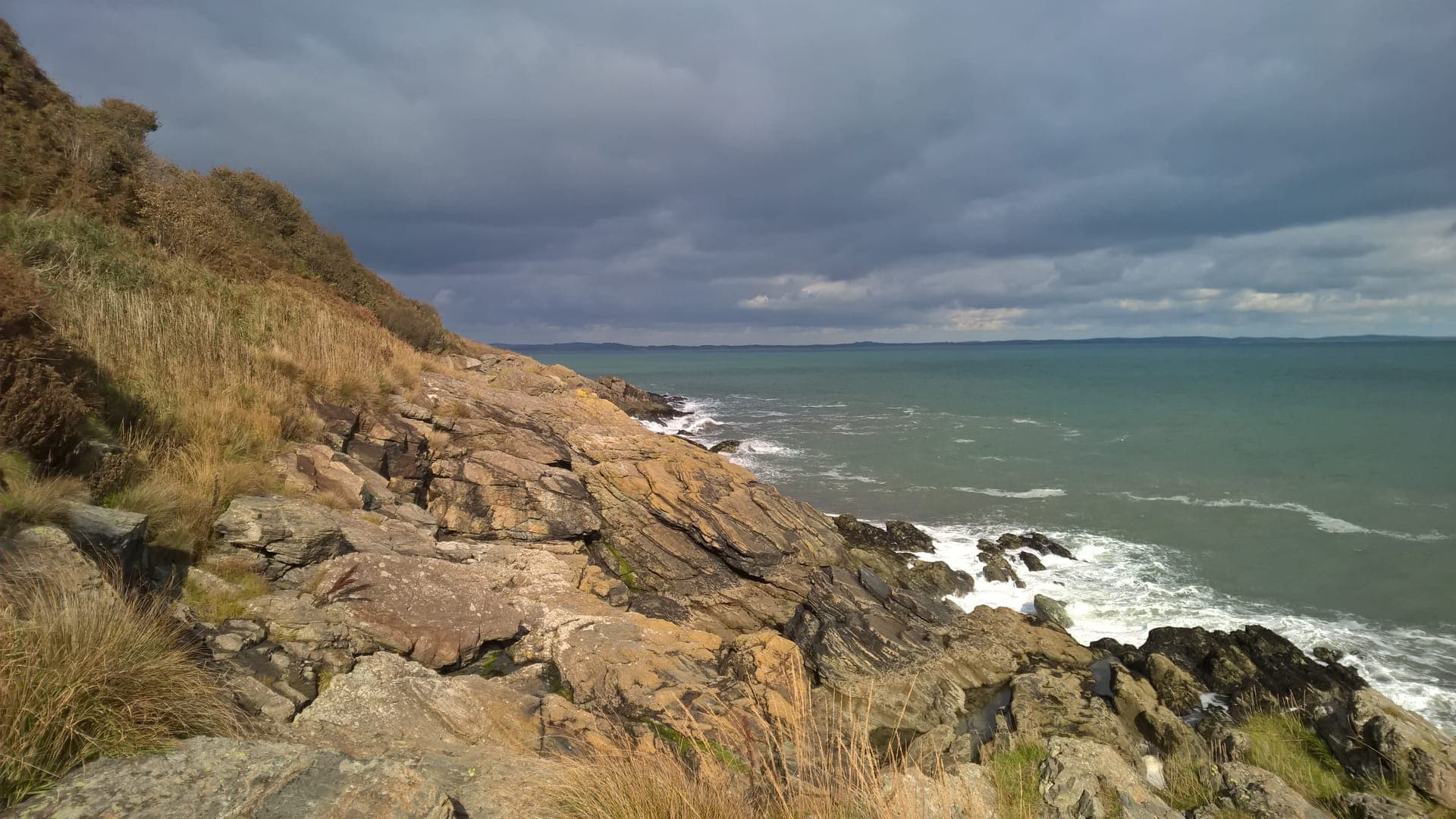
A Photographer's Day in the Mournes
Chase the Light from Summit Sunrise to Harbour Sunset
Duration
Day Trip (dawn to dusk)
Theme
Photography
Transport
Driving + short hikes
Best Season
All year
Route
Donard to Annalong
The Trip at a Glance
The Mourne Mountains are one of the most photogenic landscapes in Ireland, but the light here does not wait. This itinerary is designed around the sun — catching it as it rises over the Irish Sea from the highest summit, working through the sheltered valleys and reservoirs at midday when the light is overhead, then finishing at a west-facing harbour as it sets behind the mountains. Five locations, each chosen for a different quality of light and a different type of composition. Bring your tripod, bring your patience, and bring spare batteries. The Mournes will do the rest.
Who It's For
Landscape photographers, serious hobbyists, and anyone who thinks the best light is the light that requires an alarm clock.
What It Covers
1 summit sunrise, 2 river/reservoir reflections, 1 mountain panorama, 1 golden-hour harbour, and a proper lunch
What to Bring
Camera, tripod, ND filters, polariser, head torch, waterproof layers, spare batteries, and a willingness to wake before dawn
“You don't take a photograph, you make it.”
Ansel Adams
The Route
Dawn to Dusk
8 stops. Take your time — the drive itself is the destination.
Slieve Donard — The Summit at First Light
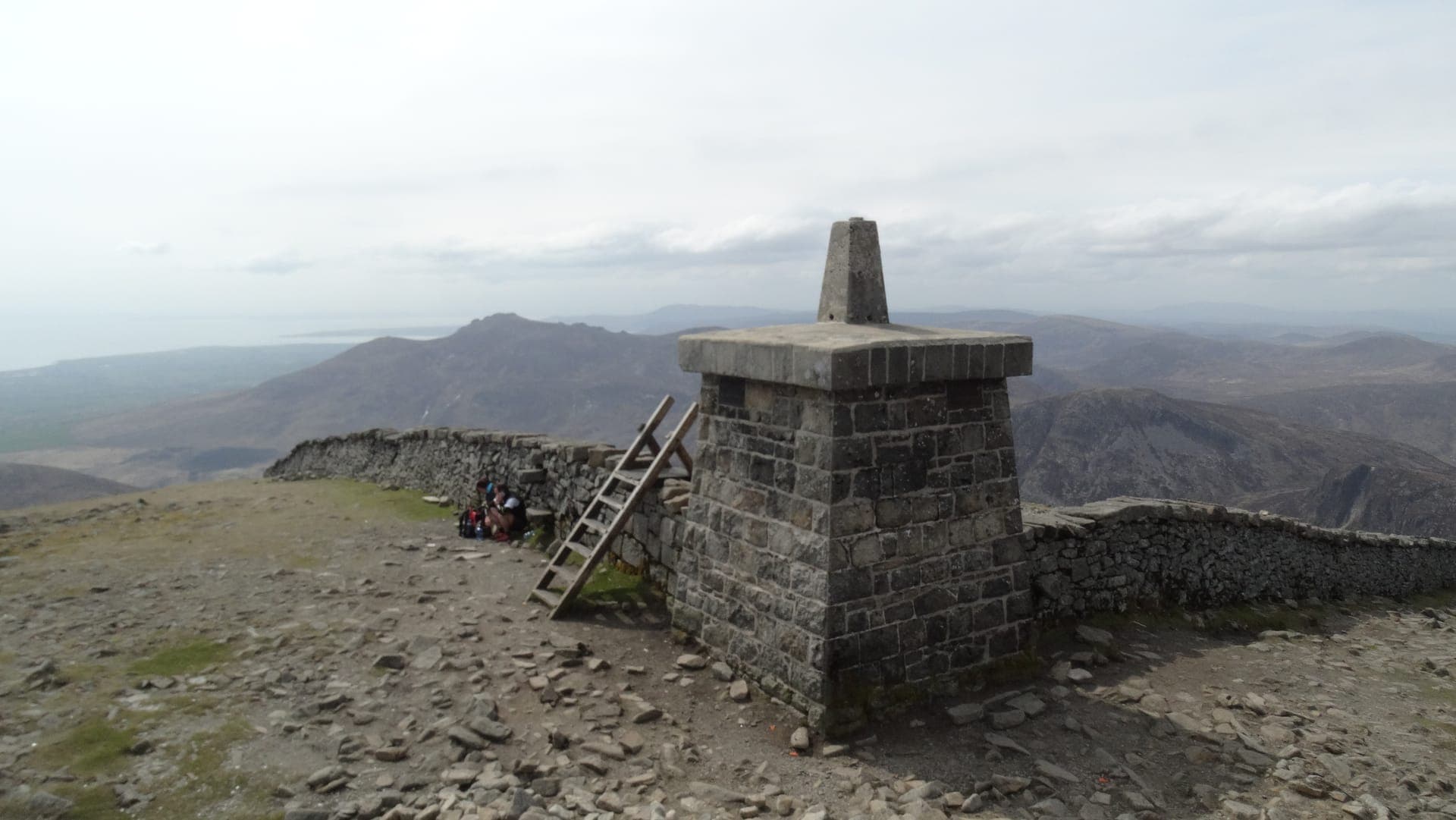
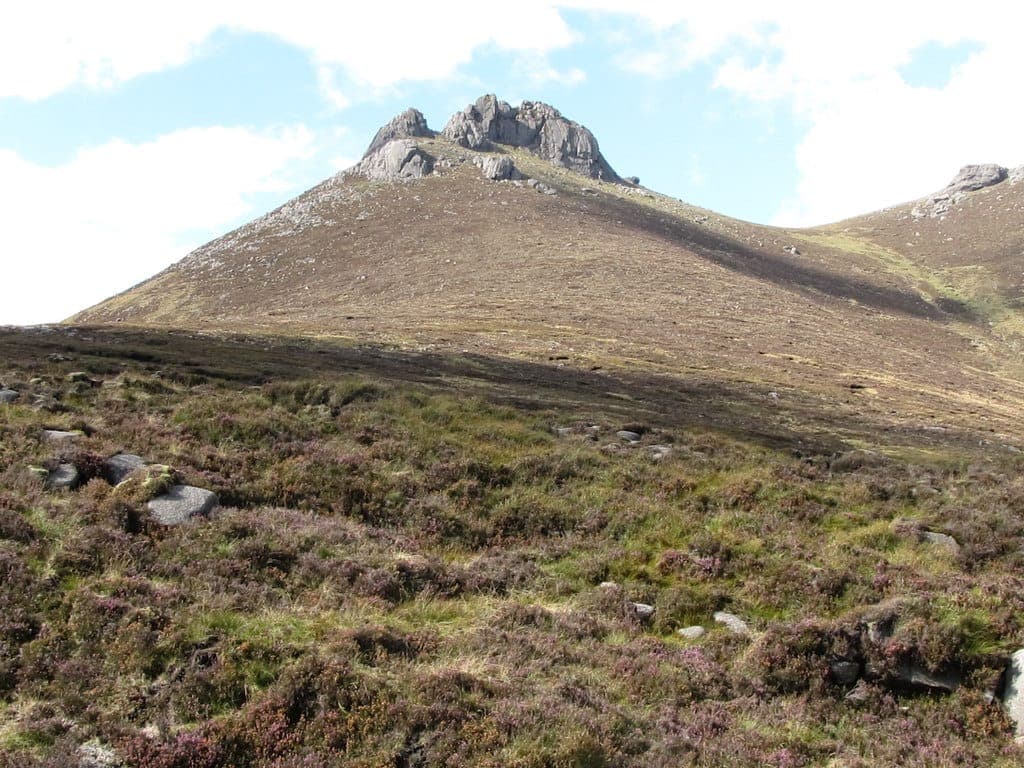
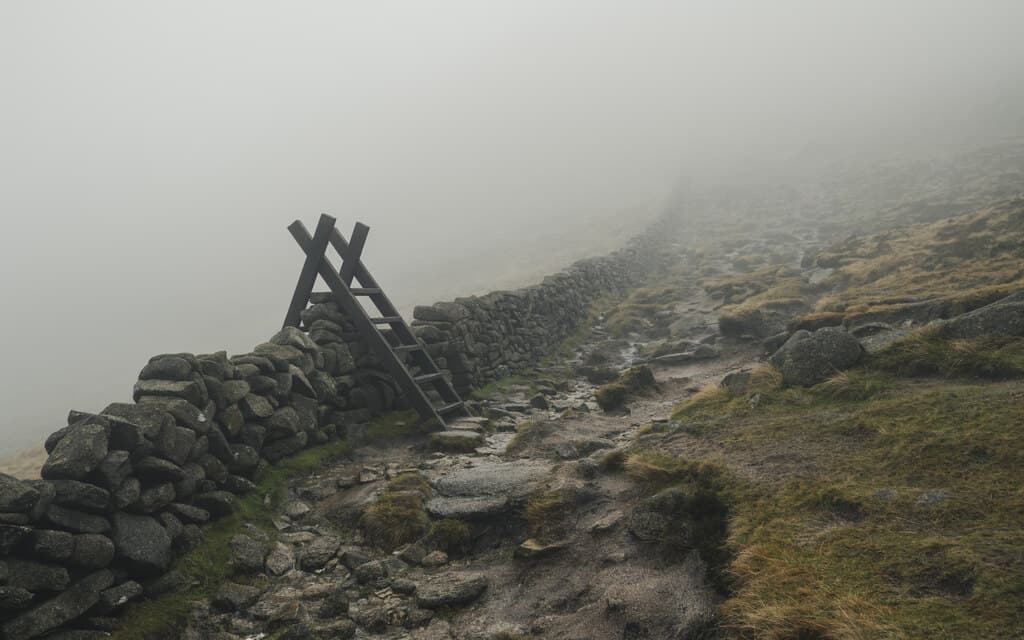
2-3 hours (including ascent)This is not a casual start. You need to be on the summit of Slieve Donard (*Sliabh Donard*, 850m) before dawn, which means leaving the Donard car park in Newcastle in darkness. The Glen River path takes roughly 2-2.5 hours in good conditions — head torch on, layers packed, tripod strapped to your bag. The reward is absolute. From the summit cairn, you look east across the Irish Sea towards the Isle of Man, south to the Cooley Mountains, and north across the Belfast hills. In winter the sun rises late and low, throwing orange and pink across the frost-covered tors. In summer it comes up fast off the sea, and the whole coastline ignites. Shoot from the stone shelter near the summit tower for a foreground anchor. Wide-angle for the panorama, then switch to a telephoto for compression shots of the Mourne Wall snaking across the ridgeline below. The first ten minutes after sunrise are when the magic happens — the valleys fill with mist and the granite glows.
Breakfast in Newcastle
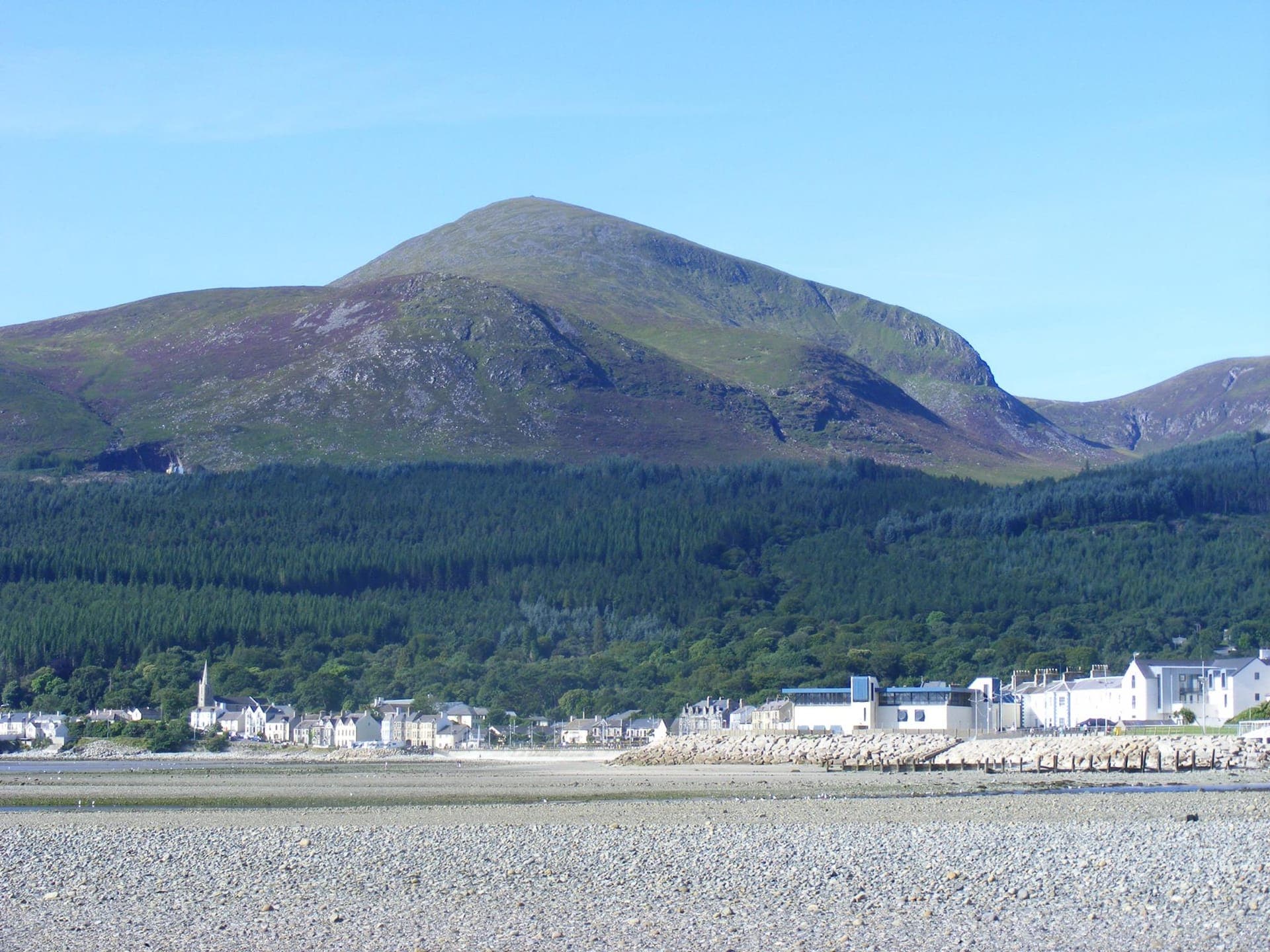
45 min - 1 hourAfter descending, you will have earned a serious breakfast. Drive or walk into Newcastle and refuel properly. Niki's Kitchen Cafe on Main Street does a strong Ulster fry and good coffee — a photographer's recovery meal. Alternatively, the Great Eastern on the seafront puts you right on the promenade with views back towards Donard. While you eat, review your sunrise shots and charge your batteries. You have a full day of shooting ahead.
Bloody Bridge River Valley
30-45 minFive minutes south of Newcastle on the A2, pull into the small car park at Bloody Bridge (*Droichead Fuilteach*). Walk upstream along the river — you are immediately enclosed by the Mourne granite, with the river cutting a path between the peaks. This is one of the finest leading-line compositions in the Mournes. The river runs over slabs of smooth rock, and in the right conditions you can get silky long exposures at 1-2 seconds even in daylight with an ND filter. The best compositions are looking upstream: the river draws the eye into the V of the valley, with Slieve Donard and Chimney Rock Mountain framing either side. Get low to the water. Use boulders as foreground. If there has been rain in the previous 48 hours, the water volume is higher and the long exposures become spectacular. In autumn, the bracken turns copper and bronze against the grey granite — a colour contrast that photographs beautifully without any post-processing.
The story of Bloody BridgeSilent Valley — Mirror Reflections
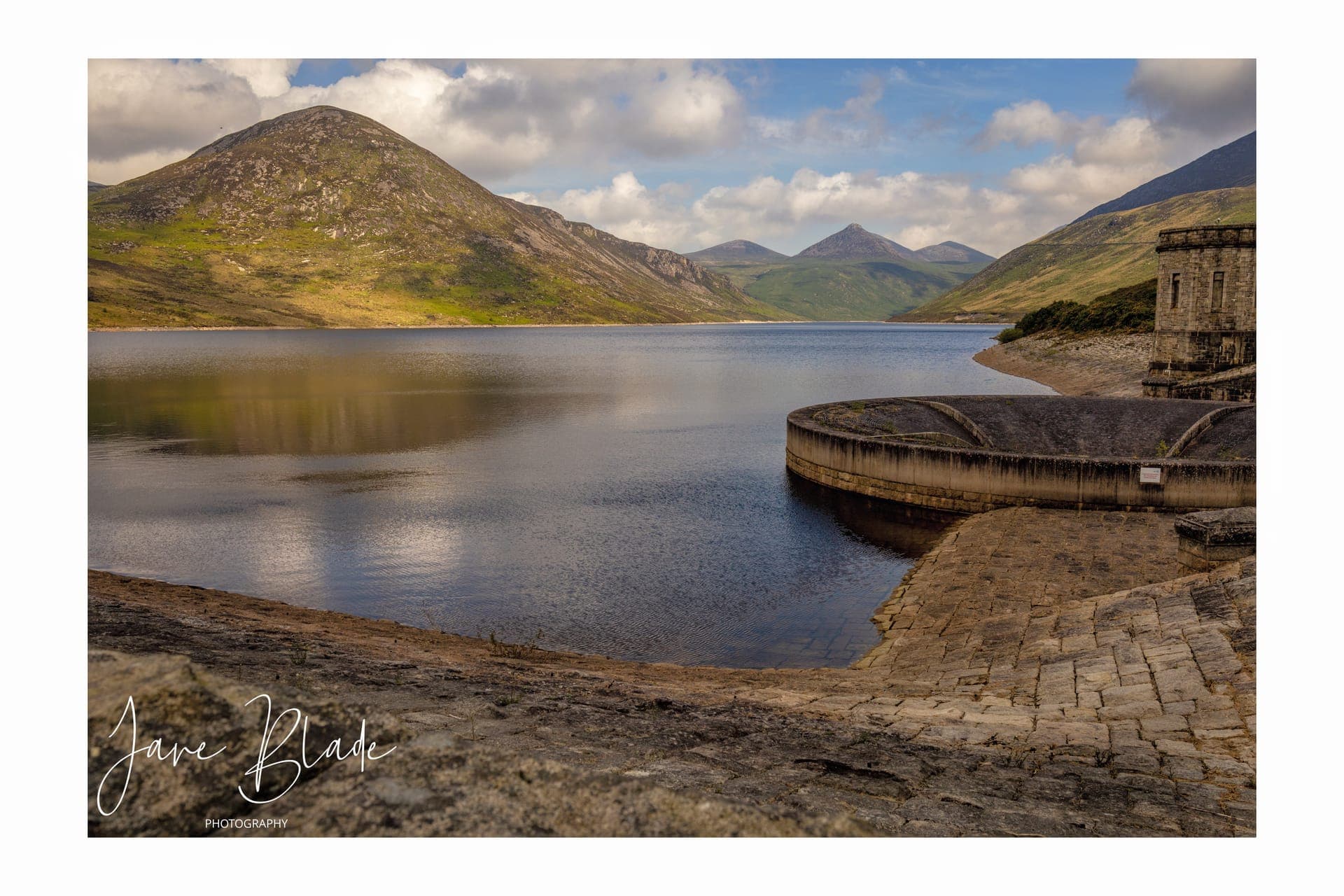
1 - 1.5 hoursDrive inland from the coast road, following signs for Silent Valley. The reservoir sits in a natural amphitheatre, ringed by the Mourne peaks — Slieve Binnian, Ben Crom, and Slieve Muck create a dramatic cirque of summits. On still mornings, the water is glass. The reflections are so perfect that you can flip the image and nobody can tell which way is up. Walk along the waterside path towards the Ben Crom dam for progressively more dramatic compositions. The Mourne Wall descends the hillside into the reservoir — it makes a powerful diagonal leading line with the peaks behind it. For telephoto work, isolate sections of the Wall on the ridgeline above. The visitor centre car park charges a small fee. A 10-minute walk from the car park gets you to the best vantage points. The valley was named for its eerie silence — a thousand workers blasted and tunnelled here for a decade, then left. Nine men died during construction. There is something about the quality of the silence here that comes through in photographs.
The valley that fell silent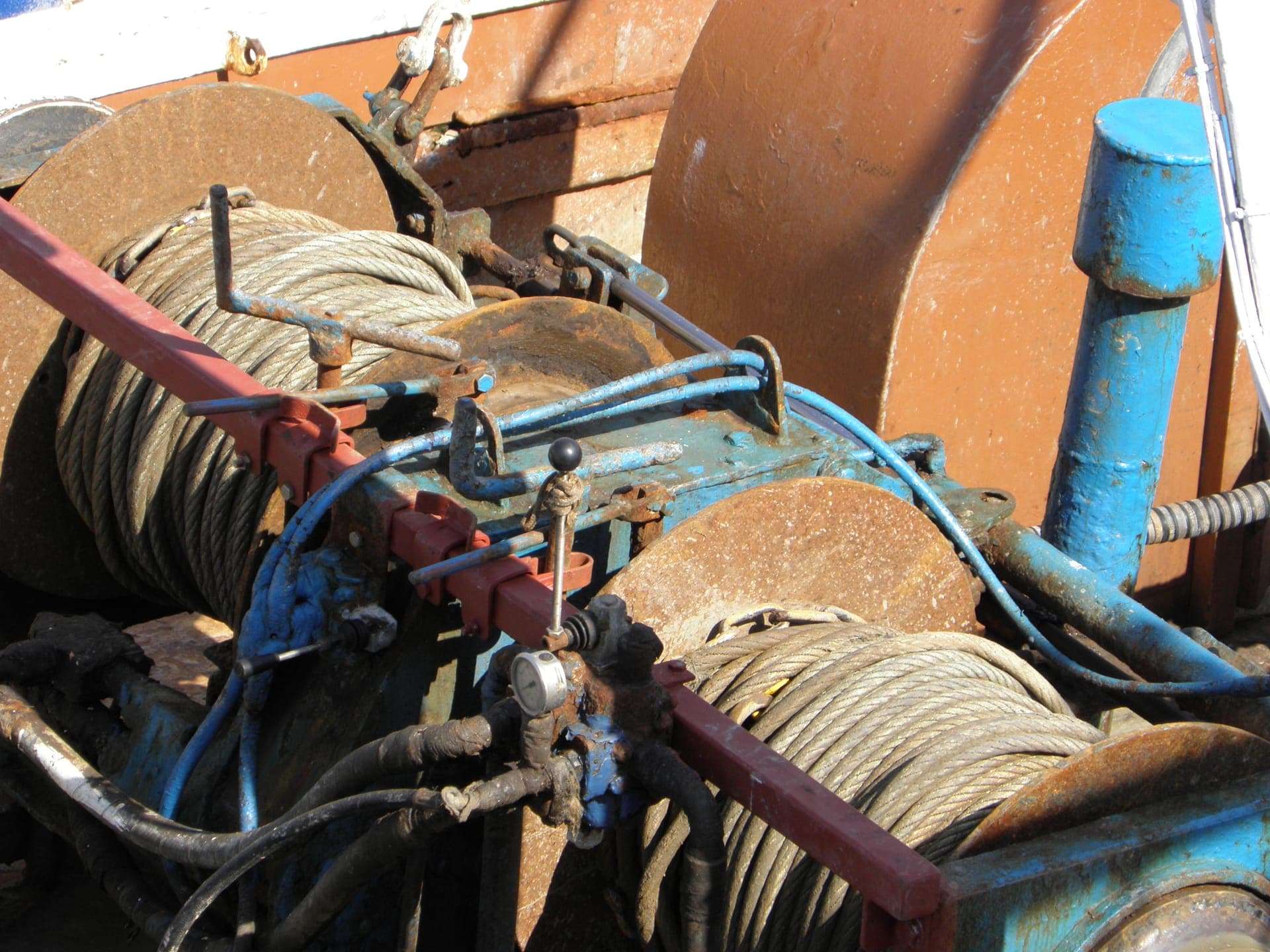
Lunch at Kilkeel
1 hourDrive down to Kilkeel (*Cill Chaoil* — "the narrow church") for a late lunch at the harbour. The Fisherman's Catch on the harbour does fish and chips with fish that was in the sea that morning — there is no fresher lunch on this coast. Kilkeel is Northern Ireland's biggest fishing port, with over 100 boats working from the harbour. While you eat, the harbour itself is worth a few frames — colourful boats, stacked lobster pots, coiled ropes, and the weathered faces of a working port. Shoot the textures. Tight crops of rope and rust and netting. These details tell a story that wide landscapes cannot.
Explore Kilkeel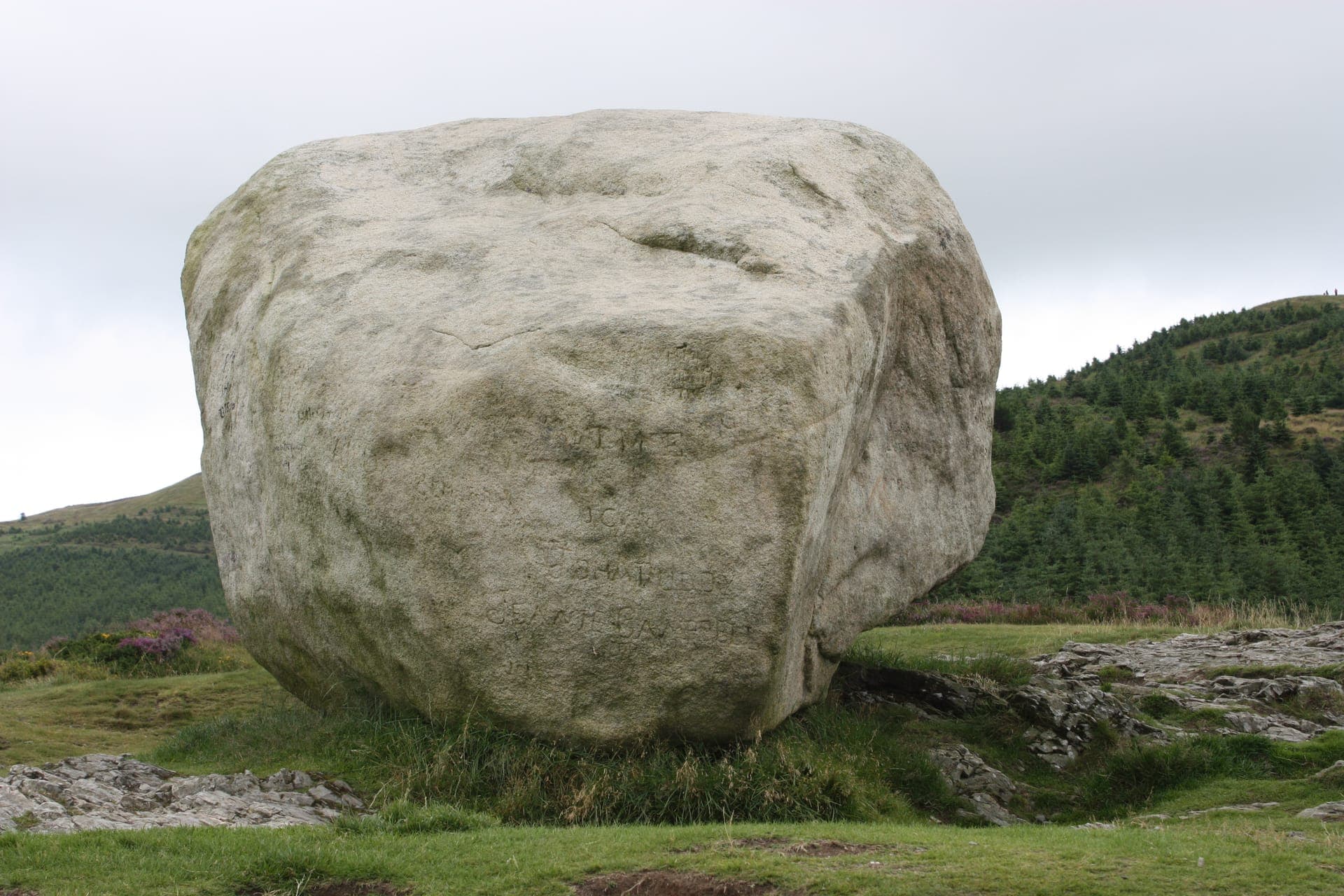
Spelga Dam — The 360-Degree Panorama
30-45 minDrive north from Kilkeel into the heart of the Mournes, climbing through open moorland to Spelga Dam (*An Speilgeach*). This is the elevated viewpoint that shows you the full sweep of the mountain range. From the dam wall, you can see Slieve Donard, Slieve Commedagh, Slieve Binnian, and a dozen other summits arranged around you in every direction. It is the most complete panorama in the Mournes, and it changes character entirely with the weather. On a clear day, shoot the layered mountain silhouettes. When clouds move through, the drama increases tenfold — shafts of light picking out individual summits while others disappear into mist. A polarising filter is essential here to manage the reflections on the dam water and deepen the sky. Walk across the dam wall itself for compositions that include the water as foreground. This is also the location of the famous "gravity hill" — a stretch of road where your car appears to roll uphill. Physics says it is an optical illusion. The locals are less certain.
The hill where cars roll uphill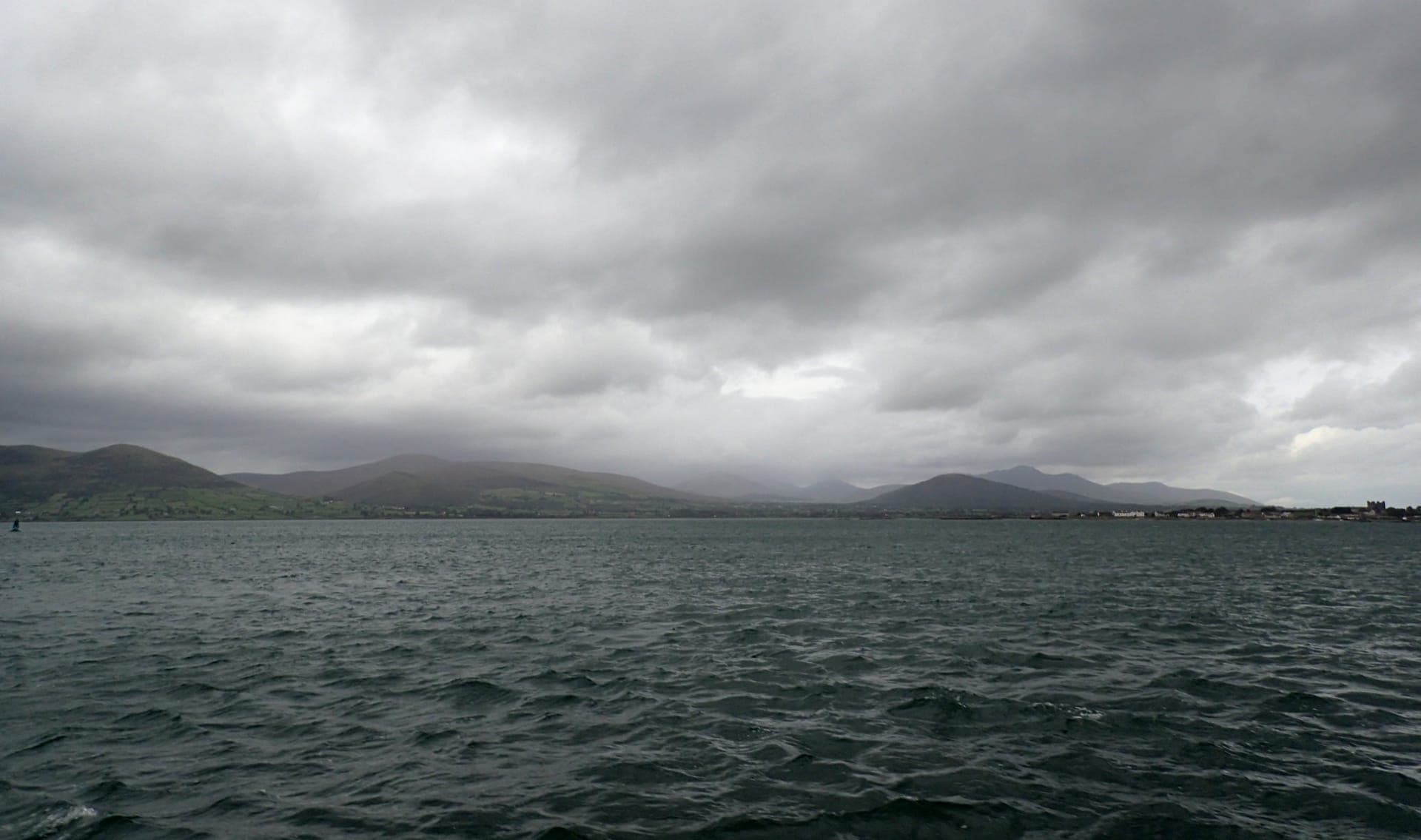
Blue Lough — If You Have the Legs
1.5 - 2 hours (including walk)This stop is optional but extraordinary. From the Carrick Little car park (signposted off the Annalong valley road), a 40-minute walk takes you to Blue Lough (*Loch Gorm*), a mountain lake tucked beneath the dramatic tors of Slieve Binnian. The lough shifts colour depending on the light — from near-black on overcast days to a startling deep blue when the sun catches it. The Binnian tors above are among the most dramatic granite formations in Ireland, weathered into shapes that look almost sculpted. In the right conditions, the tors reflected in the lough create a composition that requires no artistic skill to capture — nature has done the work for you. Late afternoon light hitting the tors from the west is ideal. This is a walk of about 2.5km each way over uneven mountain terrain. Bring your tripod and your patience.
The lough that changes colour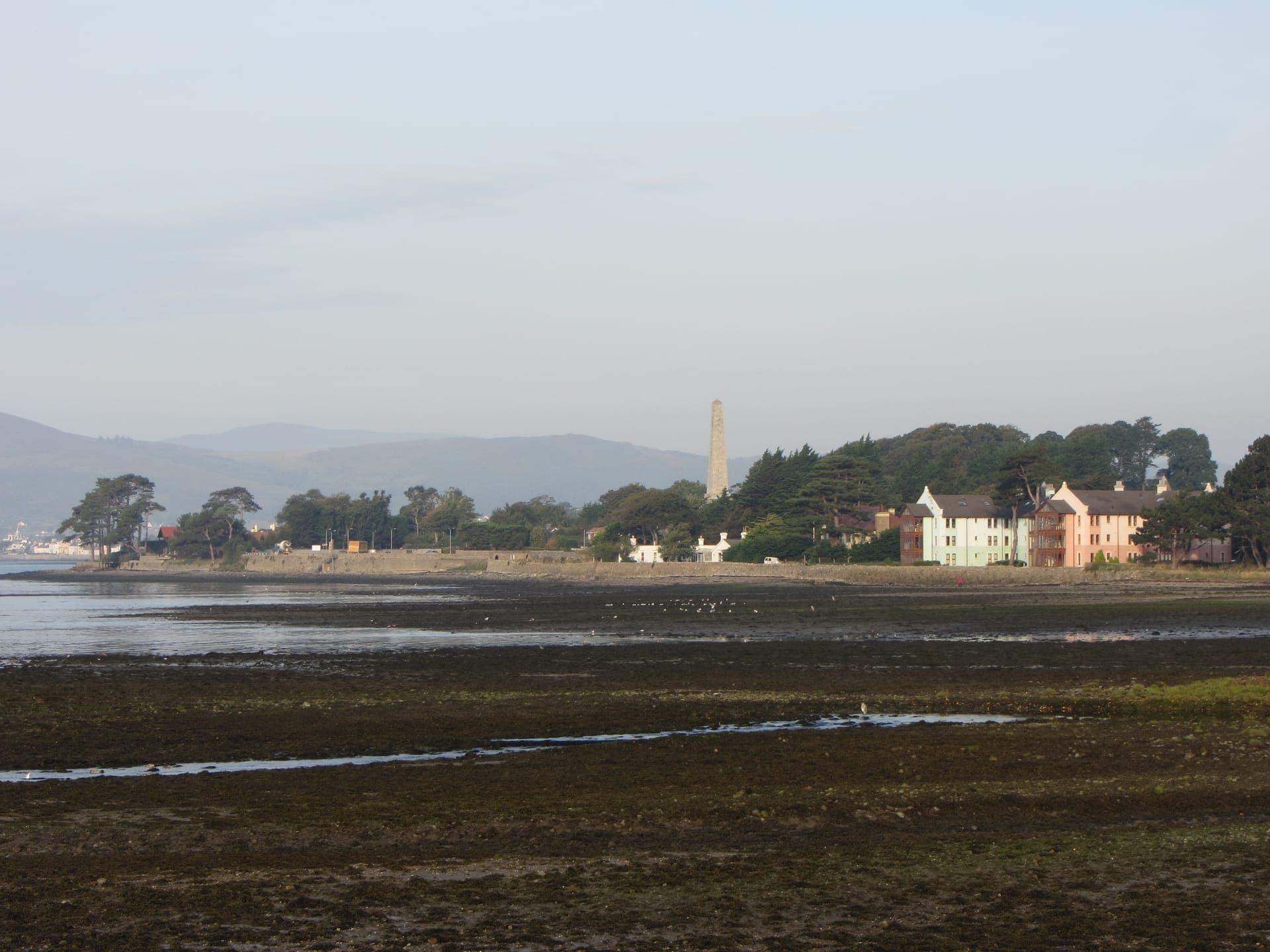
Annalong Harbour — The Last Light
1 - 1.5 hoursEnd the day where every photographer should: at Annalong Harbour (*Ath na Long* — "ford of the ships") as the sun drops towards the mountains. This tiny stone harbour was built for the granite trade — at its peak, 18 boatloads of Mourne granite left here every month for Liverpool and beyond. The harbour walls, the moored boats, and the mountains behind create a classic composition that works at any focal length. At golden hour, the warm light catches the stone walls and the water turns liquid gold. Shoot from the harbour wall looking south towards Slieve Binnian for the most dramatic backdrop. Use a wide aperture for the boats in foreground with the mountains soft behind, or stop down for sharpness throughout. The 15-foot waterwheel at the nearby Annalong Cornmill makes a striking silhouette as the light fades. Stay until the afterglow. The best colour often comes five to ten minutes after the sun has set, when the sky burns orange and the harbour falls into shadow.
Annalong's granite storyInsider Tips
Check sunrise and sunset times the night before. In summer, sunrise can be as early as 04:30 — plan your Donard ascent accordingly. In winter, the later sunrise (around 08:30) makes the summit much more achievable.
Bring a 6-stop and a 10-stop ND filter. The 6-stop handles Bloody Bridge river in daylight. The 10-stop turns Silent Valley into a mirror even in a breeze. A circular polariser is essential for Spelga Dam.
Carry two batteries minimum. Cold summit conditions drain batteries fast, especially in winter. Keep a spare warm in an inside pocket.
A carbon fibre tripod is worth the investment for this route. You will carry it up Donard and out to Blue Lough. Every gram matters on the mountain, but you will not get the same shots handheld.
Bring lens cloths and a rain sleeve. Mourne weather changes in minutes. Mist and drizzle create atmosphere, but only if your lens is clear. The best mountain shots often come in the ten minutes after rain stops.
Blue Lough is optional but extraordinary. If the weather is clear and you have energy after Spelga, do it. If not, head straight to Annalong and spend longer at the harbour. Both are excellent uses of the afternoon.
More Itineraries
Explore more ready-made trip plans for the Mourne region
Stories Along This Route
Discover the tales woven into the places you'll visit.
Ready to Shoot the Mournes?
Get practical information on getting here, where to stay, and everything you need to make this trip happen.
Plan Your Trip