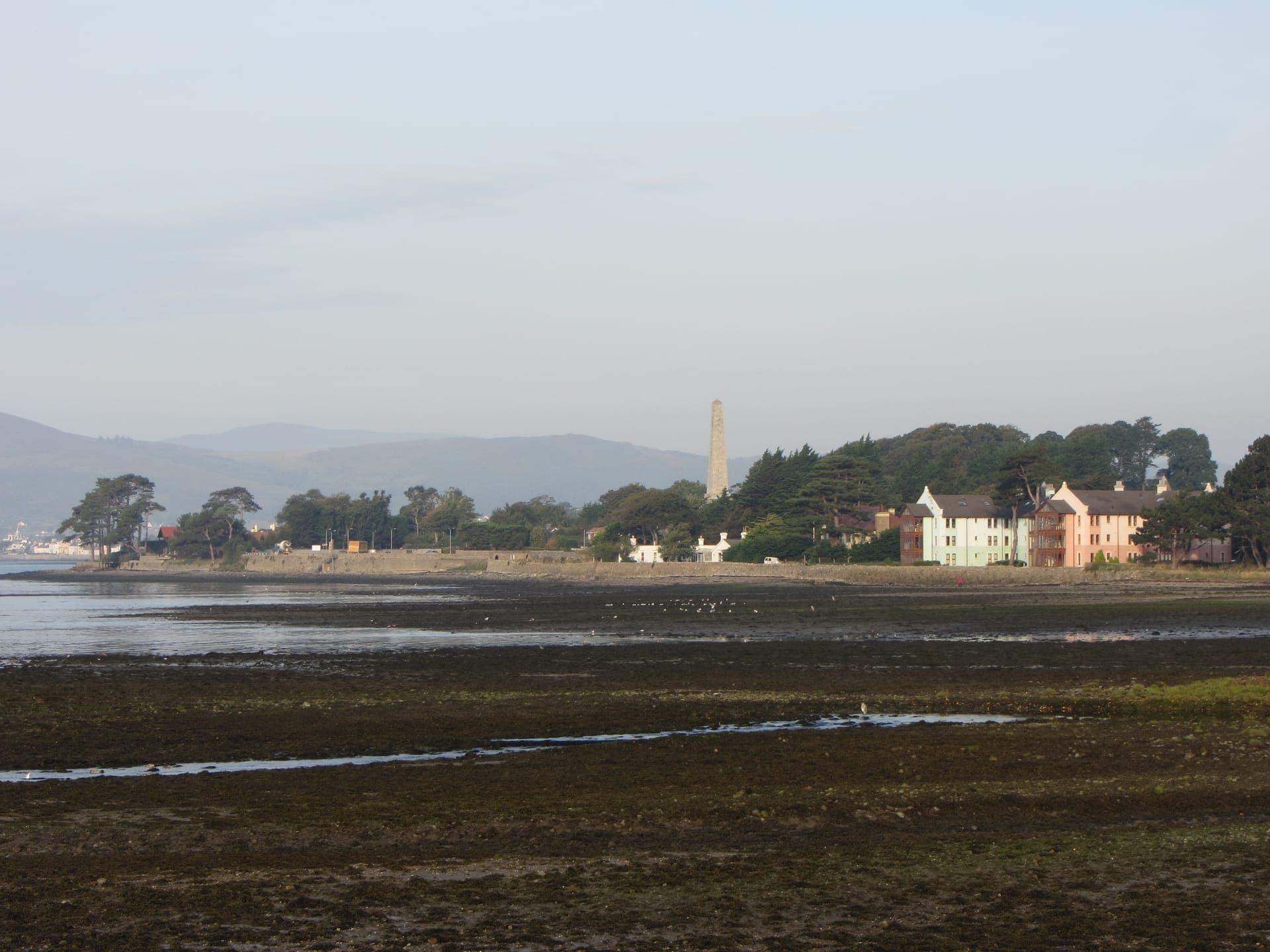
The Farmer Who Fished by Moonlight
Half on the mountain, half on the sea. For generations, the men of the Mourne coast lived a double life — and the harbours where they launched are still working today.
Location
Kilkeel & Annalong, Mourne coast
Time Needed
Half day to explore both harbours
Heritage
Working fishing harbours
Fleet
105+ boats still active
Best Time
Early morning (boats returning)
The Story
Two Lives in One
The men of Cill Chaoil (Kilkeel — ‘the narrow church’) and Áth an Loinge (Annalong — ‘the ford of the ship’) did not choose between the mountain and the sea. They did both. By day, they worked small farms on the steep slopes above the coast — a few acres of rough grazing, a potato patch, a strip of oats. By season, they fished. When the herring ran in late summer and autumn, every man with a skiff was on the water before dawn, and the harbours blazed with lantern light long before the sun came up.
This was not hobby fishing. It was survival. The farms on the lower slopes of the Mournes were too small and too poor to sustain a family alone. The sea provided the difference between getting by and going hungry. For generations, this dual identity — farmer and fisherman, mountain and tide — was the defining rhythm of life along the Mourne coast.
“The farms were too small to live on. The sea was too dangerous to ignore. So they did both — and the rhythm of that double life shaped the entire coast.”
When the Herring Ran
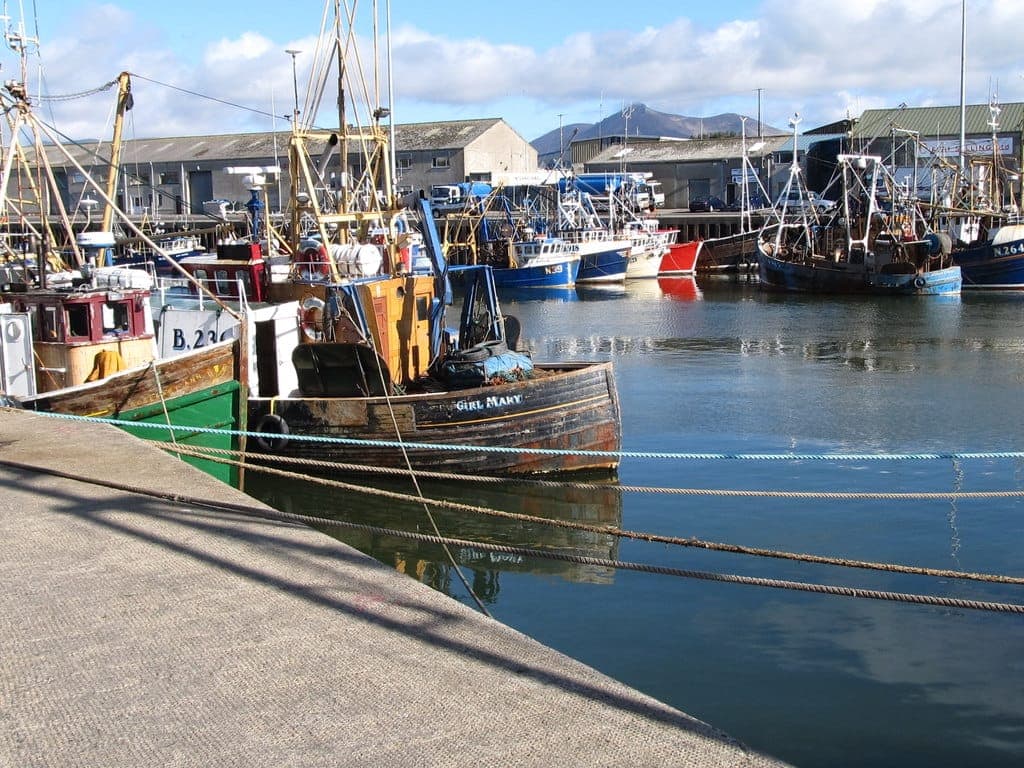
The herring season was the hinge of the year. From late July through November, vast shoals of herring moved along the County Down coast, and the harbours at Kilkeel and Annalong came alive. Men who had spent the morning bringing in hay would be at the harbour by late afternoon, readying lines and nets. Wives, mothers, and daughters gutted and salted the catch by lantern light at the quayside, working through the night to pack barrels before the fish spoiled.
The boats were small — open skiffs, many built locally from Mourne timber and pitch. A man might row out with his sons, drift with nets under the moonlight, and haul the catch before first light. On a good night, the harbour would be so full of boats that you could walk across the water from deck to deck. On a bad night, the sea took someone's father, and the village would know before breakfast.
“On a good night, the harbour was so full you could walk across the water from deck to deck. On a bad night, the sea took someone's father.”
The Rhythm of the Coast
The calendar of the Mourne coast was not measured in months but in tasks. Spring was for planting — potatoes in the lower fields, oats on the higher ground. Summer was for hay and for mending nets. Autumn was the herring — the season that could make or break a family's year. Winter was for repair: patching boats, fixing walls, surviving.
The harbours at Kilkeel and Annalong were the meeting point of these two worlds. A man might walk down from his farm with soil still on his boots, step onto a boat, and not return until the small hours. His hands knew the weight of a spade and the pull of a net in equal measure. There was no sharp distinction between land and sea — the two bled into each other, and the people moved between them as naturally as the tide.
What Remains
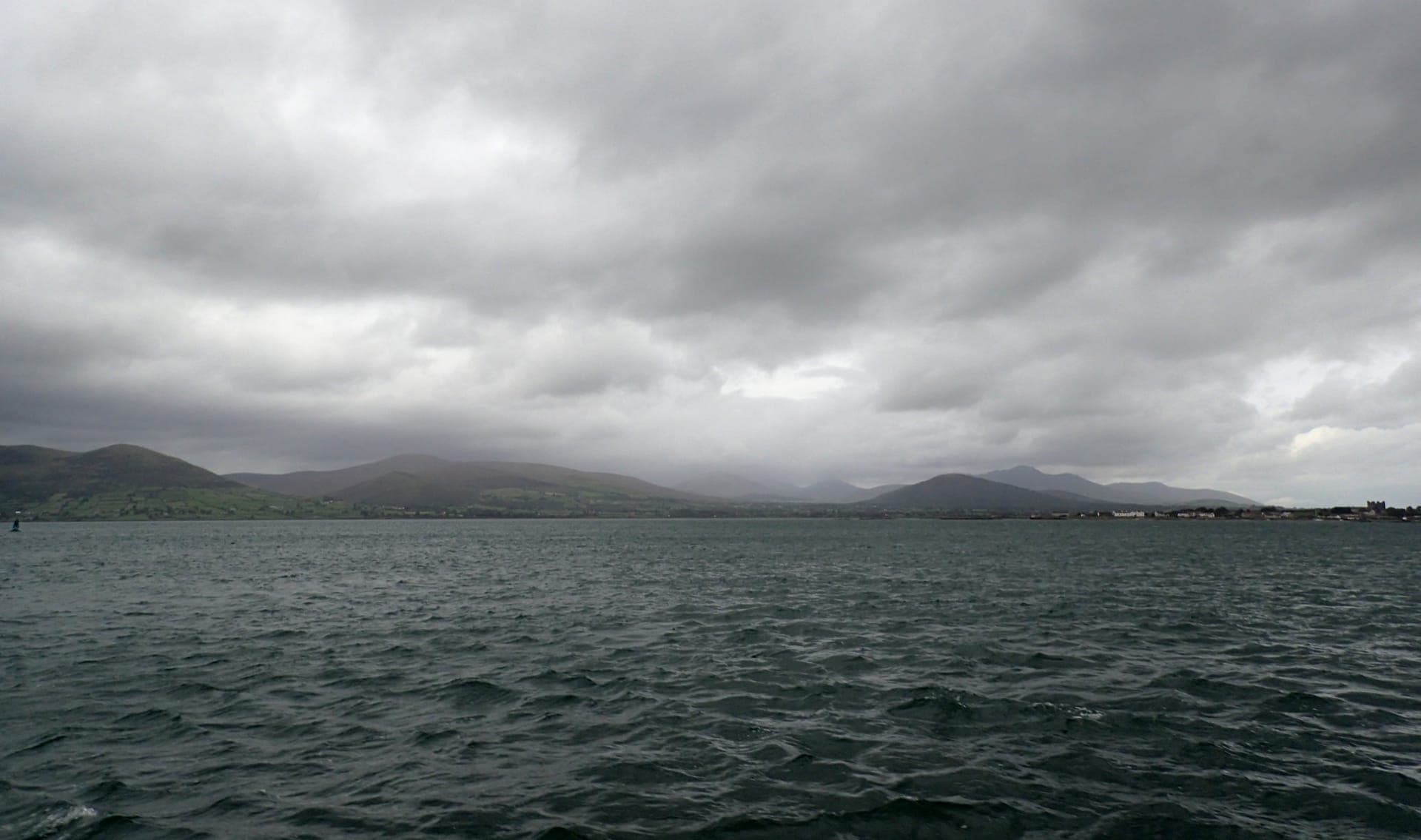
The dual life has faded. Modern fishing is a full-time, specialist profession — the 105 boats still based at Kilkeel are crewed by professional fishermen working year-round, not farmer-fishers in skiffs. The farms above the coast are larger now, or abandoned, or converted. But the harbours themselves remain. Kilkeel is still the largest fishing port in Northern Ireland, still landing 55% of the province's catch. Annalong's harbour, built originally for the granite trade, still shelters a handful of working boats beneath its stone walls.
Walk the harbour wall at Kilkeel in the early morning and you will see the modern fleet coming in with the dawn, decks piled with prawns, crab, and lobster. The catch has changed — herring gave way to prawns in the 1950s, when fishermen started hauling strange creatures they called “creepy crawlies” out of their nets — but the harbour has not. The same stone quays that farmer-fishers rowed from two hundred years ago are still being landed on today.
“The catch has changed. The boats have changed. But the harbour is the same stone quay they rowed from two hundred years ago.”
The Place
Loading map...
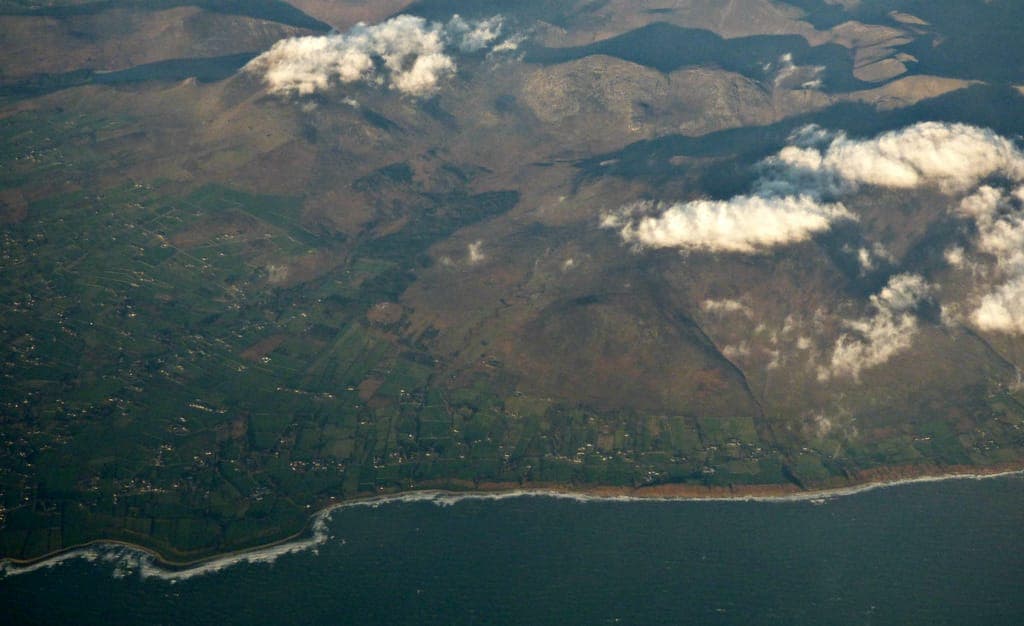
The Mourne coastal road between Kilkeel and Annalong — the harbours where the farmer-fishermen launched their boats.
The story of the farmer-fishermen lives in two places: <em>Cill Chaoil</em> (Kilkeel) and <em>Áth an Loinge</em> (Annalong). Both sit where the Mourne Mountains meet the Irish Sea — the farms on the slopes above, the harbours in the coves below, and the A2 coastal road linking them along one of the most dramatic stretches of coastline in Ireland.
Kilkeel is the larger of the two — a working fishing port with over a hundred boats, a busy quayside, and the Mourne Maritime Visitor Centre telling the story of the fleet from herring to present day. Annalong is smaller and quieter, its harbour originally built for the granite trade, with the restored Cornmill standing beside it as a reminder of the village's third trade alongside farming and fishing.
Coordinates
Kilkeel Harbour:
54.0622°N, 5.9925°W
Annalong Harbour:
54.1065°N, 5.8945°W
Parking
Kilkeel Harbour:
Free parking at the harbour. No time limits.
Annalong Harbour:
Free parking at the harbour. The two harbours are a 10-minute drive apart along the coast road.
The Visit
You do not need hiking boots or a map for this one. Walk the harbour walls. Watch the boats. Smell the salt and diesel. Then step inside the Maritime Centre and put faces to the stories. Half a day gives you both harbours and the Cornmill.
Kilkeel Harbour
Northern Ireland's largest fishing port. Walk the harbour wall and watch the fleet. Best in early morning when boats return with the night's catch. Free to visit.
Annalong Harbour
A smaller, quieter harbour originally built for the granite trade. Stone walls, a handful of working boats, and the Cornmill standing right beside it. Free to visit.
Duration
Half day for both harbours. Allow 1–2 hours for Kilkeel (harbour walk + Maritime Centre). Add an hour for Annalong (harbour + Cornmill).
Difficulty
Easy. Flat harbour walks. No hiking required.
What to Bring
- •Free parking at both harbours — no time limits
- •Bring a waterproof jacket — the coast catches every breeze
- •Camera essential — Kilkeel harbour at dawn is extraordinary
- •The Cornmill is seasonal (April–September) but the harbours are always open
- •Several places to eat in Kilkeel town centre, a short walk from the harbour
What to Look For
- •The scale of Kilkeel's fleet — over 100 boats, the largest fishing port in Northern Ireland
- •The Mourne Mountains rising directly behind both harbours — the two worlds in one glance
- •The stone harbour walls at Annalong — built for granite ships, still sheltering fishing boats
- •The 15-foot waterwheel at Annalong Cornmill, still turning
- •Crab and lobster pots stacked on the quayside — today's catch replacing yesterday's herring
Walk to the end of Kilkeel harbour wall in the early morning. Stand where the stone meets the sea. Look back at the quayside full of working boats, then up at the Mourne Mountains rising behind the town. You are standing in the exact spot where, for two hundred years, men climbed down from their farms and stepped onto the water. The two worlds are still there, separated by nothing more than a few hundred metres of altitude.
Make a Day of It
The fishing villages along the Mourne coast tell the same story of land and sea. Combine the harbours with the scenic coastal drive and a stop for fresh seafood.
While You're Here
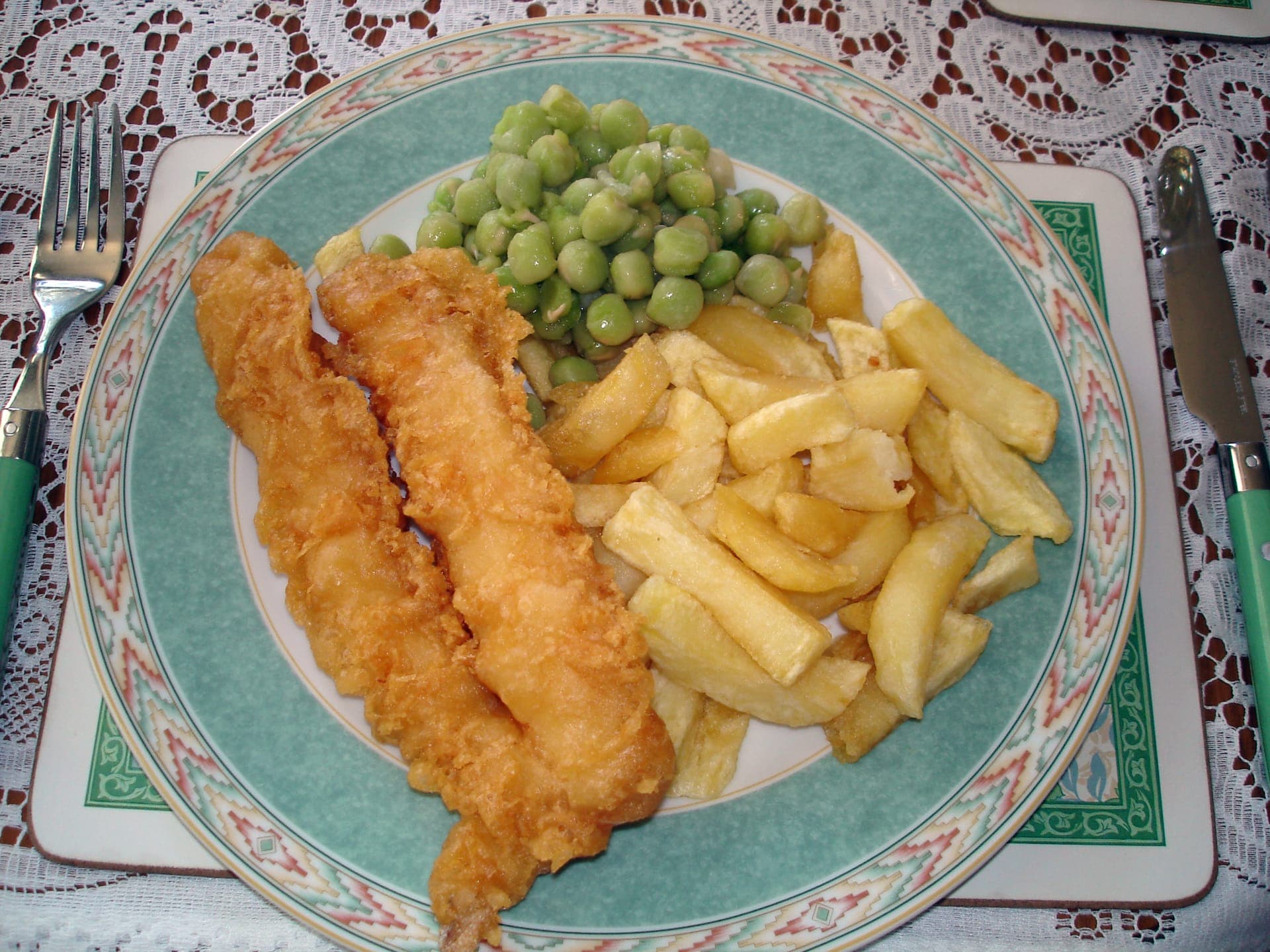
Three places worth exploring once you’ve visited.
More Stories to Discover
Every mountain, bridge, and ruin has a story. Here are a few more.
Discover
Discover More Stories
Herring fleets, granite boats, and the coast that shaped a people — the Mourne coast is as dramatic as the mountains above it. Every harbour has a story.
Explore All Stories