The Fishermen Who Didn’t Know What Prawns Were
Kilkeel’s trawlermen had chased herring for generations. Then strange creatures started filling the nets — and nobody had the faintest idea what they were.
Location
Kilkeel Harbour, Co. Down
Time Needed
1–2 hours to explore
Type
Working fishing harbour
Best Season
Year-round (mornings best)
Known For
Prawns, herring, seafood
The Story
The Herring Men of Cill Chaoil
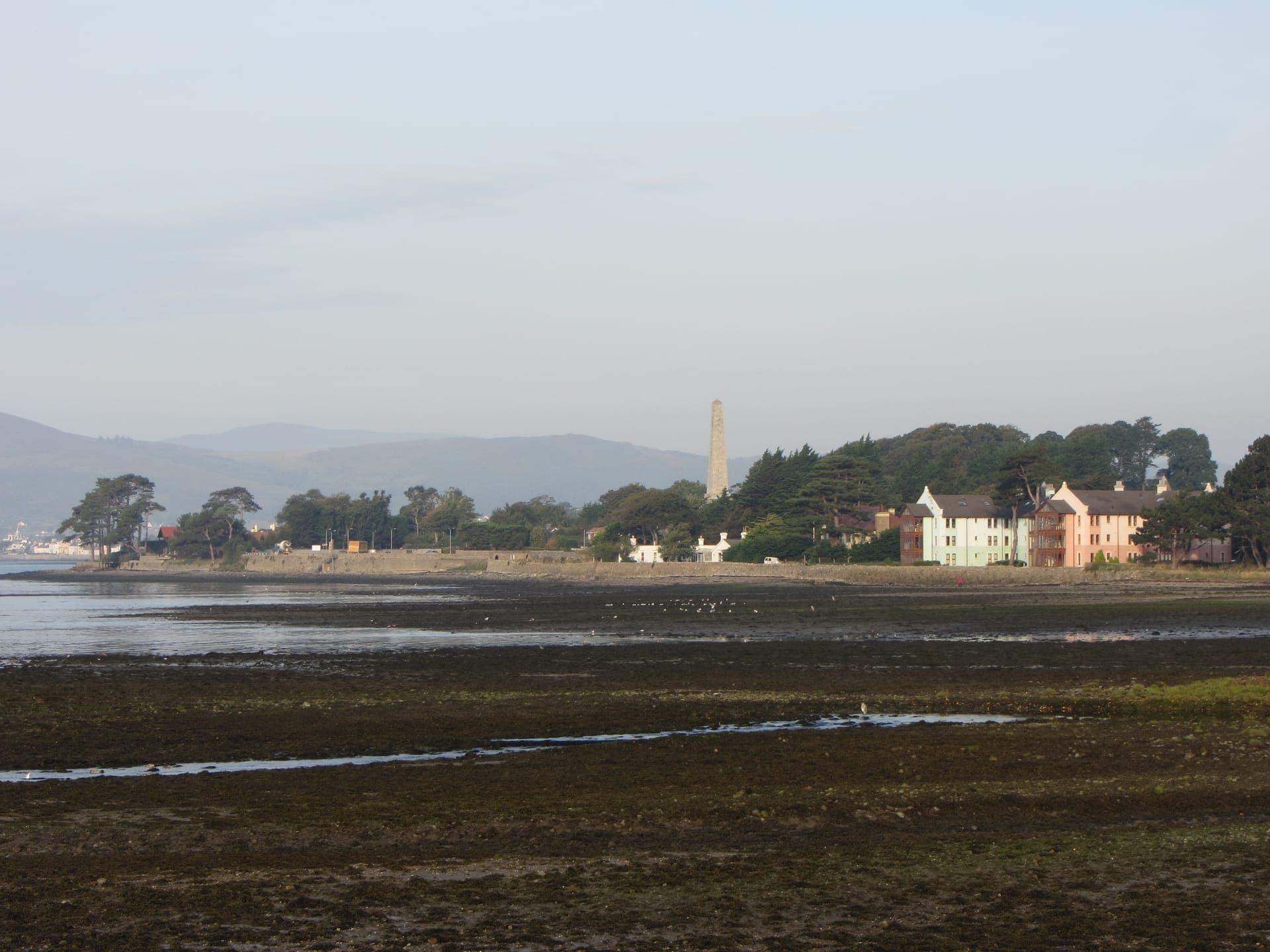
For as long as anyone could remember, Kilkeel was a herring town. The harbour of Cill Chaoil — Irish for “the narrow church” — sat at the foot of the Mournes where the mountains nearly tumble into the sea. By the early 20th century, more than a third of all herring landed in Ireland came through this single harbour. The quays stank of fish and diesel. The pubs were full of trawlermen. The town ran on silver darlings.
The men who worked these boats were hard people. They knew the Irish Sea in all its moods — the flat calms of August, the screaming gales of January. They knew where the shoals gathered, when to set and when to haul, how to mend a net in the dark. What they did not know — not remotely — was what to do with the odd pinkish creatures that had started appearing in their catch.
“They called them creepy crawlies. Nobody knew what they were. Nobody wanted to touch them. They just threw them back.”
Strange Creatures in the Nets
It was the 1950s when the prawns first started showing up in any number. Dublin Bay prawns — or langoustines, as the rest of Europe called them — had always been in the Irish Sea, living in burrows on the muddy seabed. But the herring men fished with drift nets near the surface. They weren’t looking at the bottom. They weren’t looking for anything with claws.
As fishing methods changed and trawlers began working closer to the seabed, the prawns came up with everything else. The fishermen had no name for them. They had no market for them. They looked, in the words of one old trawlerman, “like something that crawled out from under a rock.” Which, in fairness, is more or less exactly what they were.
So the fishermen did what fishermen do with things they can’t sell. They threw them back. Or left them on the quay for the gulls. Or, if the catch was poor, brought a handful home for the wife to boil up — more out of curiosity than appetite. The creatures were strange. They had claws and antennae and beady little eyes. The local name stuck immediately: creepy crawlies.
“They looked like something that crawled out from under a rock. Which is more or less exactly what they were.”
From Bycatch to Bounty
The turnaround happened gradually, then all at once. As herring stocks declined through the 1960s and 70s, Kilkeel’s fishermen needed a new catch. At the same time, European demand for langoustines was soaring — French and Spanish restaurants couldn’t get enough of them. Somebody connected the dots. The creepy crawlies in Kilkeel harbour were the same langoustines selling for serious money on the continent.
Within a generation, the entire fleet pivoted. Boats were refitted for bottom trawling. New prawn grounds were mapped across the Irish Sea, the Firth of Clyde, the Porcupine Bank. The creatures the old men had thrown back in disgust became the most valuable catch in the harbour. Today, langoustines are Kilkeel’s lifeblood. They’re shipped to restaurants across Europe, processed locally, and sold fresh on the quayside. The harbour that once ran on herring now runs on prawns.
“The creatures the old men had thrown back in disgust became the most valuable catch in the harbour. A whole fleet’s livelihood, hiding in plain sight on the seabed.”
The Place
Loading map...
Kilkeel harbour sits at the foot of the Mournes on the south Down coast. The town centre is a short walk inland.
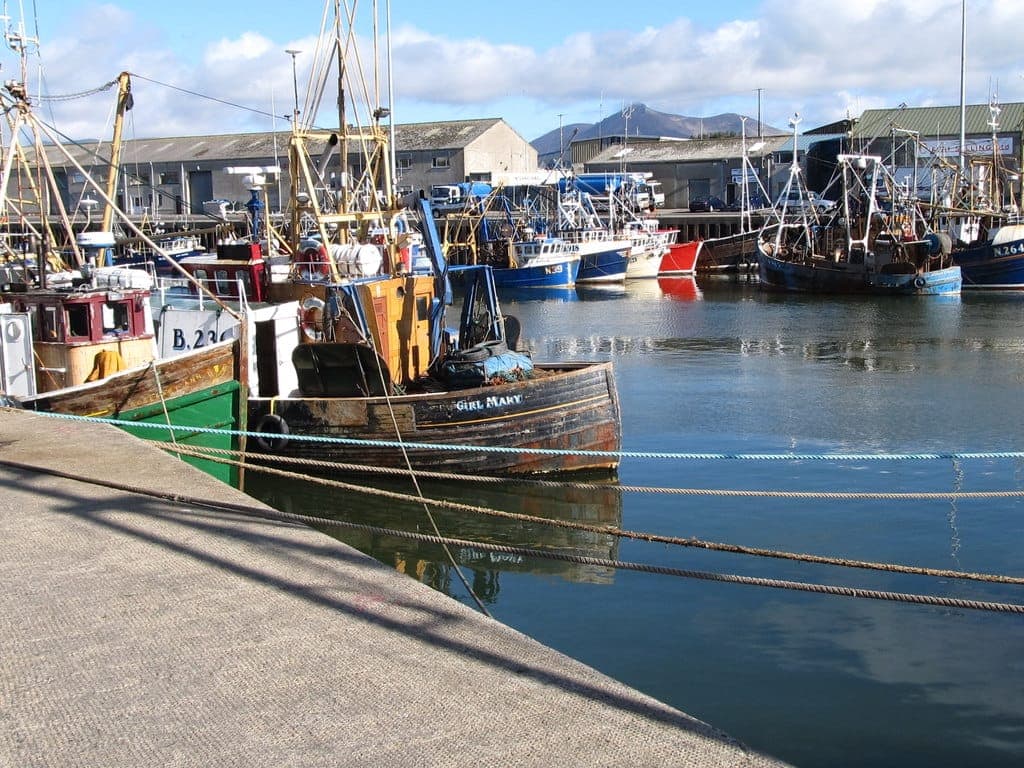
Kilkeel harbour is a working fishing port — the largest in Northern Ireland. It’s not a museum or a heritage attraction. It’s the real thing: trawlers coming and going with the tide, nets being mended on the quay, the smell of salt and diesel and fresh catch. This is where the story happened, and it’s still happening today.
The harbour is open and accessible — you can walk along the quays and watch the boats. Early mornings are the best time, when the fleet comes in and the catch is landed. The Nautilus Centre nearby tells the story of Kilkeel’s maritime heritage in more detail. And the town itself is a pleasant place to wander, with local shops, a Friday market, and seafood that’s about as fresh as it gets.
Coordinates
Kilkeel Harbour:
54.0615°N, 5.9925°W
Nautilus Centre:
54.0660°N, 5.9960°W
Parking
Harbour Car Park:
Free parking available along the harbour. Follow signs for the harbour from Kilkeel town centre.
Town Centre:
Additional free parking in the town centre, a short walk from the harbour.
The Visit
This is best as a morning visit. Arrive when the boats are landing and you’ll see the harbour at its most alive. Then wander the town, pick up some fresh seafood, and eat it looking at the Mournes. Not a bad way to spend a few hours.
Kilkeel Harbour
Early morning, when the trawlers come in. The harbour is busiest between 6am and 10am. Weekdays are better than weekends for seeing the fleet at work.
Nautilus Centre
The Nautilus Centre tells the story of Kilkeel’s fishing heritage — from herring to prawns to the modern fleet. A good way to understand the full picture before you walk the harbour.
Duration
1–2 hours. Allow 1–2 hours to explore the harbour, Nautilus Centre, and town. Pair with a fresh seafood lunch for the full experience.
Difficulty
Easy. Free to visit. The harbour is open and accessible on foot. Stay clear of working vehicles and machinery on the quayside. The town is flat and easy to walk.
What to Bring
- •A cool bag if you plan to buy fresh seafood (you will)
- •A jacket — it’s a harbour, and the wind off the sea has opinions
- •Camera — working harbours are endlessly photogenic
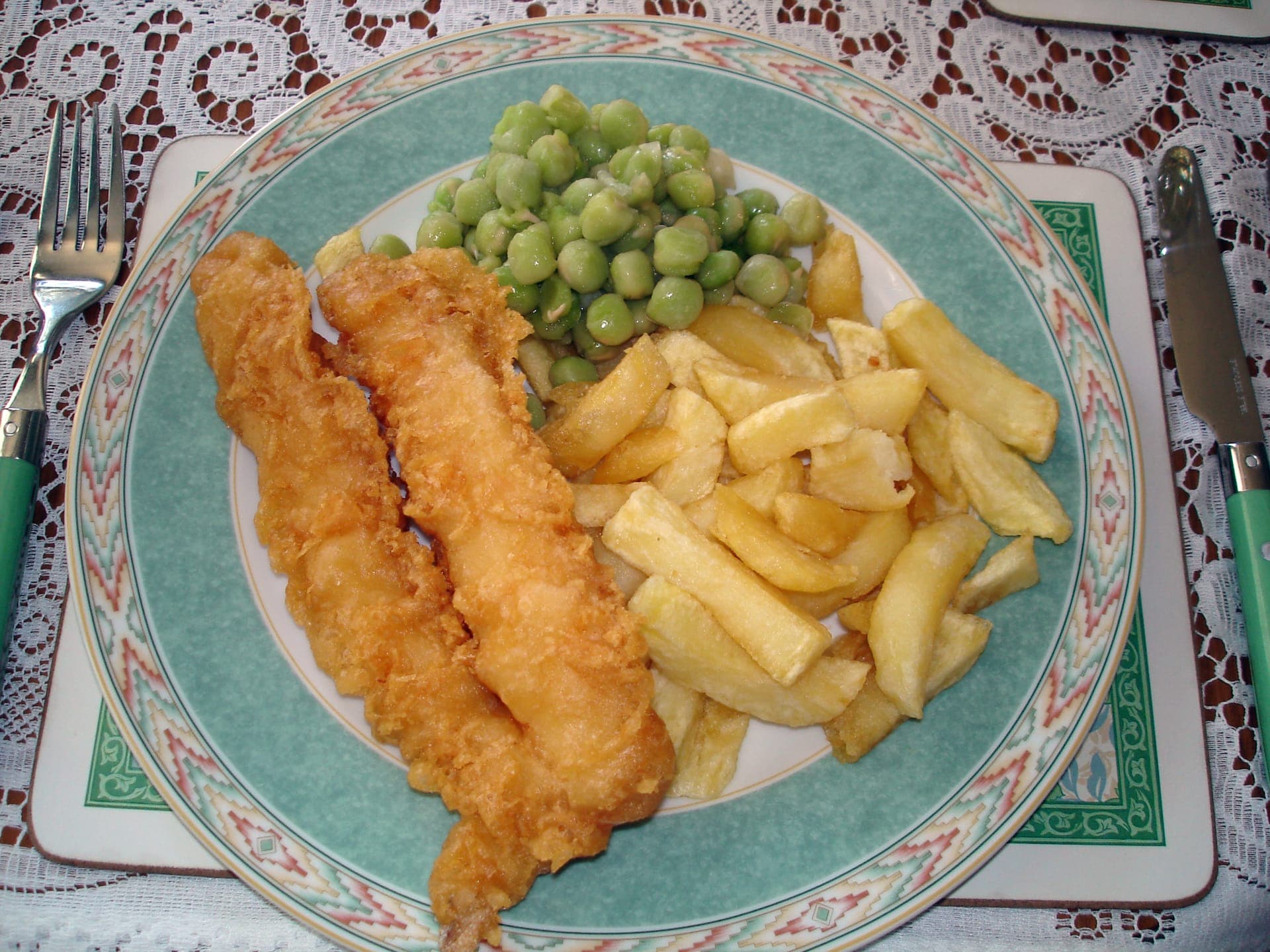
- •An appetite — the seafood around here is exceptional
What to Look For
- •The trawlers unloading — the speed and skill of the crew is something to watch
- •The size of the fleet — over 100 registered vessels call this home
- •The Mournes rising directly behind the harbour — mountain meets sea
- •The nets being mended on the quay — same skill, same patience, same hands
- •The langoustines themselves, if the timing is right — the creepy crawlies in the flesh
Get to the harbour early in the morning and watch the catch being landed. If the prawns are coming in, ask one of the fishmongers to show you a live langoustine up close. They’re beautiful, alien-looking creatures — and when you know that an entire fleet once threw them back as worthless, you’ll look at them differently. The creepy crawlies turned out to be gold.
Make a Day of It
Combine the nature exploration with a foodie tour of the Mourne region — seafood, chocolate, whiskey, and everything in between.
While You're Here
Three places worth exploring once you’ve visited.
More Stories to Discover
Every mountain, bridge, and ruin has a story. Here are a few more.
Discover
Discover More Stories
From herring fleets to holy wells, from smugglers’ paths to fairy thorns — the Mourne coast has stories that the mountains are still keeping.
Explore All Stories