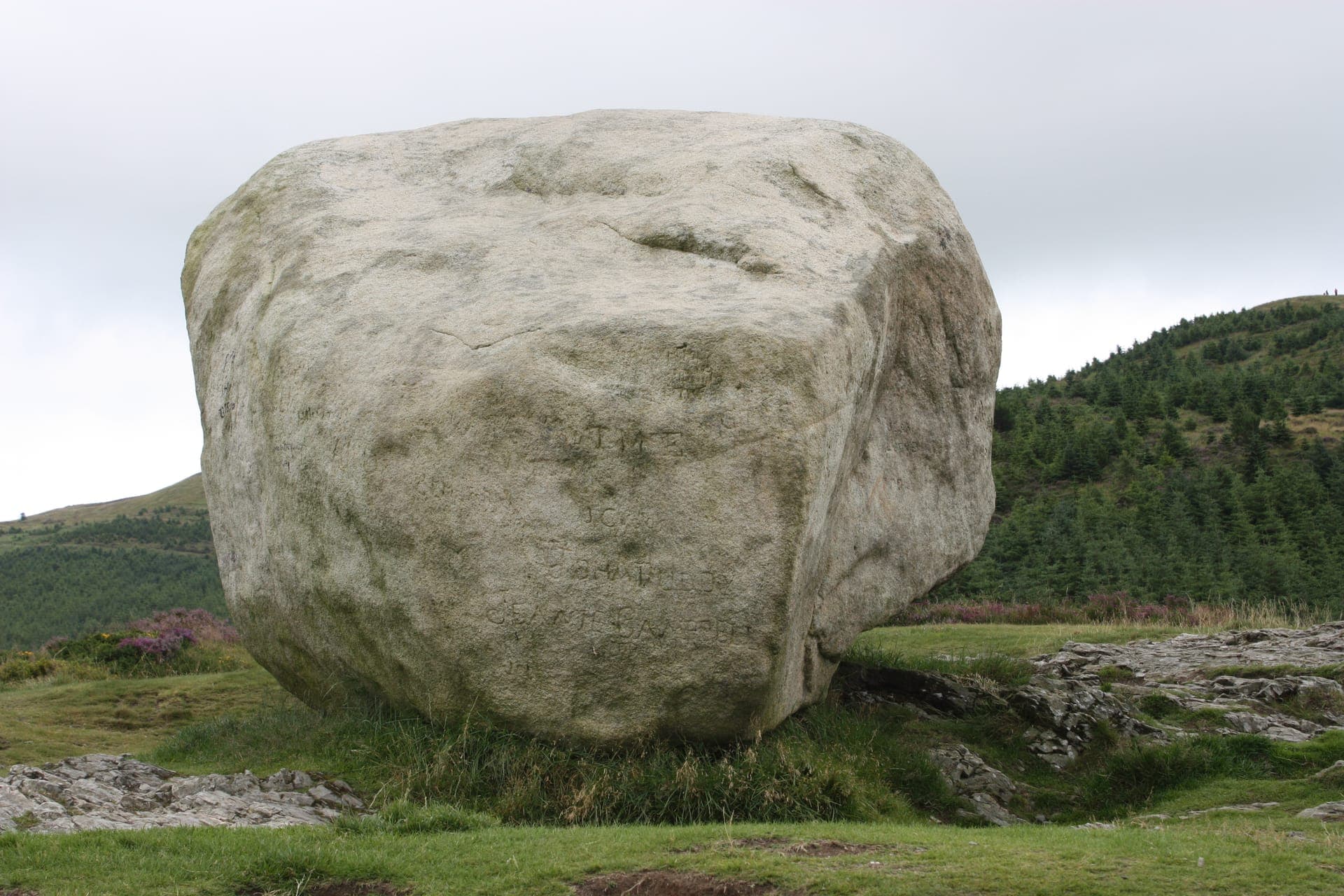
Castles, Dolmens, and a 5,000-Year-Old Mystery
Five Millennia of History in One Day of Driving
Duration
Day Trip
Theme
Heritage
Transport
Car
Best Season
Year-round
Route
Hilltown to Warrenpoint
The Drive at a Glance
This is a drive through the visible layers of history that sit across the Mourne landscape. You start in Neolithic Ireland — portal tombs raised by people who left no written record, only stones too large to ignore. By lunchtime you're in the Norman world of John de Courcy, climbing a spiral staircase he built in 1177. By afternoon, you're standing inside Anglo-Norman castles that guarded Carlingford Lough for eight centuries, and finishing at an Elizabethan tower house built to control the sea route to Newry. Five thousand years. Six stops. Every single one free to visit.
Who It's For
History lovers, families with curious kids, photographers, and anyone who wants to touch stones older than the pyramids.
What It Covers
2 Neolithic dolmens, 3 medieval castles, panoramic views of Dundrum Bay and Carlingford Lough
What to Bring
Sturdy shoes, camera, a light jacket, and a sense of wonder — you're walking where people walked 5,000 years ago
“What can be more interesting than to trace back the history of a people through the monuments they have left behind them?”
George Petrie, antiquarian, 1845
The Route
Hilltown to Warrenpoint
9 stops. Take your time — the drive itself is the destination.
Breakfast in Hilltown
30-45 minStart in Hilltown (*Baile an Chnoic*), the gateway village at the foot of the Mournes. This was smuggler country — at one point, eight pubs lined the main street to serve the trade. Grab breakfast at The Hilltown House before heading out. You're about to drive through five millennia in a single day.
Goward Dolmen — Finn's Finger
30-45 minFive minutes from Hilltown, down a narrow lane and through a farmer's gate, a 5,000-year-old portal tomb sits in a field as if it were waiting for you. They call it *Cloch an Tobair* — or locally, Finn's Finger. The capstone weighs around 50 tonnes and stands 13 feet at its highest point, balanced on uprights since the Neolithic period. Nobody knows how they raised it. Nobody knows who is buried beneath it. Archaeology has no definitive answers. The field is quiet. The stone just sits there, older than the pyramids, in a patch of grass beside a country road.
The full story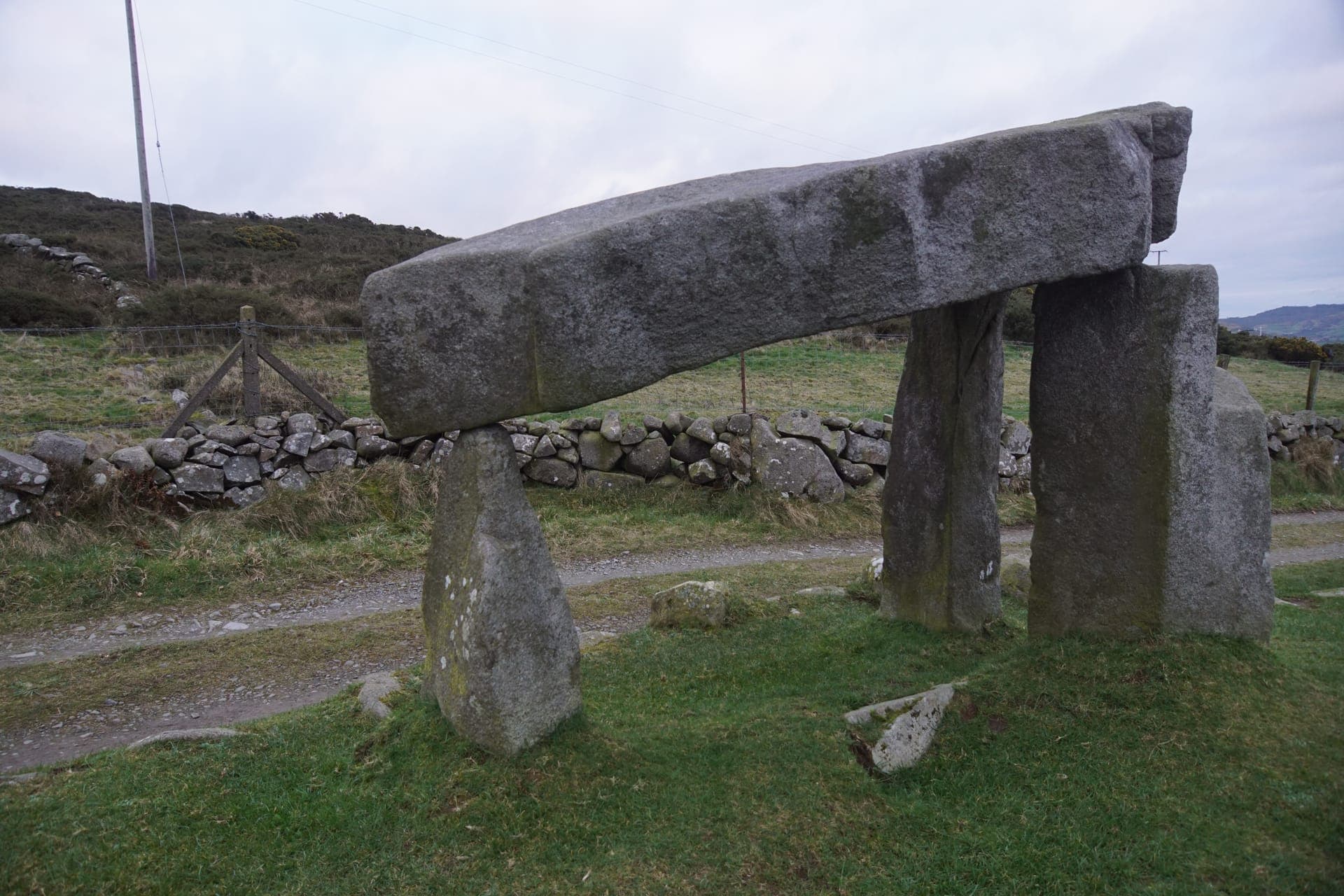
Legananny Dolmen
30-45 minDrive north-east to the slopes of Slieve Croob and one of the most photographed ancient monuments in Ireland. Legananny (*Liagán Áine*) is a tripod dolmen — a 3-metre capstone balanced on three impossibly slender legs, as though a giant placed it there with care. It's the proportions that stop you. The stone looks too heavy for its supports, yet it has stood like this for over 4,000 years. The setting is what elevates it: the entire Mourne range unfolds to the south, a panorama that makes you understand why the Neolithic builders chose this exact spot. Free access, no barriers, just you and a stone older than writing.
The full story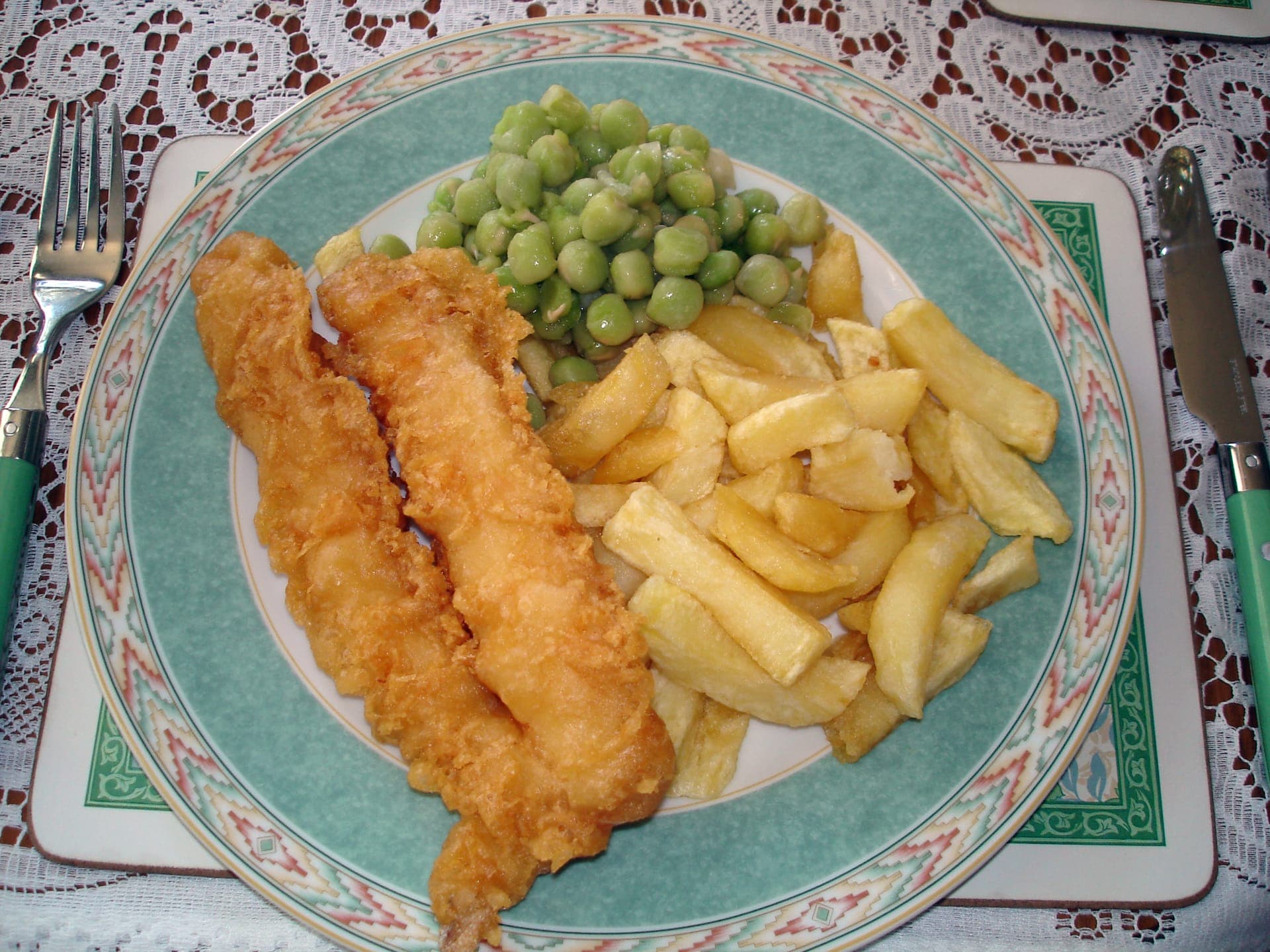
Lunch in Dundrum
1 - 1.5 hoursHead south to Dundrum (*Dún Droma* — "fort on the ridge"), a village that sits beneath one of the finest Norman castles in Ireland. Before climbing the castle, eat. The Buck's Head Inn on the main street does solid pub lunches — hearty portions, local ingredients, nothing fussy. Or try The Mourne Seafood Bar at Dundrum for something a cut above, if you want the freshest catch of the day. Dundrum Bay is a shellfish haven, and the restaurants here know it.
Explore DundrumDundrum Castle
45 min - 1 hourWalk up the hill from the village and step into the ruins of a castle that has watched over Dundrum Bay since 1177. John de Courcy built it after his audacious invasion of Ulster — he rode north from Dublin with 22 knights and 300 soldiers, took Downpatrick, and built this fortress to hold what he'd seized. The circular keep is still standing. The spiral staircase is still climbable. From the top, the panorama sweeps across Dundrum Bay to the Mournes — the same view de Courcy saw when he decided this hilltop was worth fortifying. Free entry. Rarely crowded. Allow time to explore the upper and lower wards.
Heritage & historyGreencastle Royal Castle
30-45 minDrive south through the Mournes to the shore of Carlingford Lough (*Loch Cairlinn*). Greencastle sits right on the water — a 13th-century royal castle built by Hugh de Lacy around 1230 to guard the lough entrance. Four storeys of stone still stand. Edward Bruce attacked it in 1316 during the Scottish invasion of Ireland. From the castle walls you can see Carlingford Castle directly across the water on the Republic side — two fortresses have stared at each other across this lough for nearly 800 years, guarding a border that has shifted meaning many times but never moved. Free to visit, and you'll likely have it to yourself.
The full story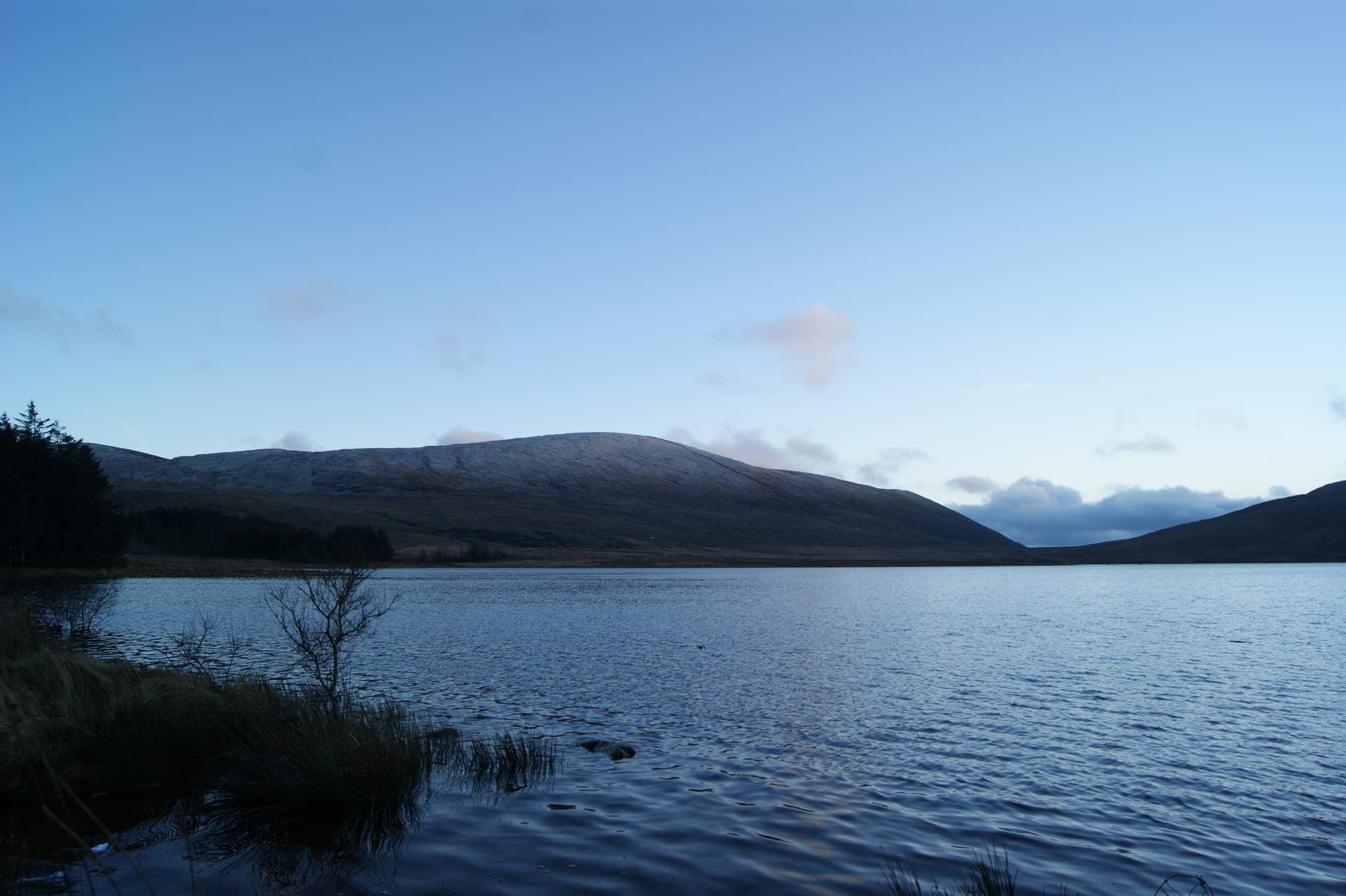
Narrow Water Castle
30-45 minA short drive along Carlingford Lough brings you to Narrow Water Castle, a 1560s tower house at the point where the Newry River meets the lough. It's smaller than Dundrum or Greencastle, but it has something they don't: unique straight stairs instead of the usual spiral. The tower was built to control the "narrow water" — the tidal bottleneck that any ship had to pass through to reach the port of Newry. The setting is stunning: water on three sides, the Cooley Mountains across the lough, and the sense that you're standing at a strategic chokepoint that mattered for centuries. The castle grounds are open and photogenic, with the tower reflected in the water on calm days.
Carlingford Lough Shore — Wind Down
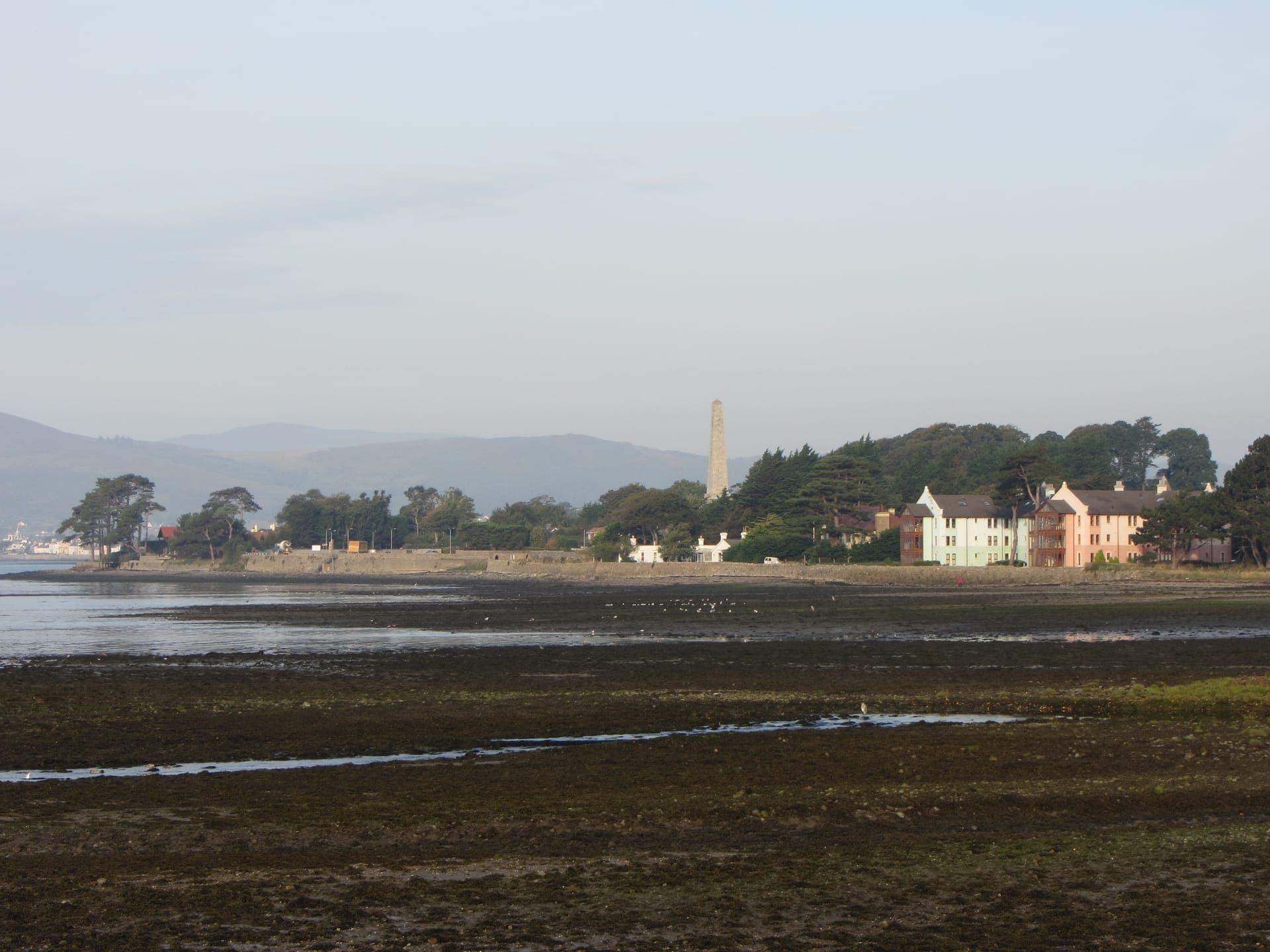
20-30 minBefore dinner, take a few minutes on the Warrenpoint promenade or Rostrevor shore. The late afternoon light on Carlingford Lough is something special — the Cooley Mountains turn purple across the water, the lough surface catches gold, and the day's history settles into perspective. You've walked through five thousand years. From anonymous Neolithic builders who raised impossible stones, through Norman warlords who seized kingdoms at sword-point, to Elizabethan engineers who built towers to control trade routes. All of it still standing. All of it free.
Dinner in Warrenpoint
1.5-2 hoursFinish the day in Warrenpoint (*An Pointe*), a Victorian resort town on Carlingford Lough with a proper selection of restaurants. The Whistledown Hotel does good evening meals with lough views, or try Bennett's Bar & Restaurant on the square for hearty fare in a warm atmosphere. If you fancy driving ten minutes to Rostrevor, The Kilbroney Bar does reliable pub food overlooking the water. Whichever you choose, you've earned it — you've just driven through five millennia of history, and every stone you touched was free.
More restaurantsInsider Tips
Start at Goward and work south. This keeps the most ancient sites in the morning and the castles — which are more visually dramatic in afternoon light — for later in the day.
Wear sturdy shoes. Goward Dolmen is in a farmer's field (short walk through grass), Legananny requires a brief uphill walk, and Dundrum Castle involves climbing stone steps.
Legananny Dolmen is best photographed with the Mournes behind it — stand to the north and shoot south for the iconic view. Late morning light is ideal.
All five heritage sites on this route are free to visit. No tickets, no queues, no booking required. Just turn up.
Dundrum Castle's spiral staircase is narrow and uneven — take your time and use the rope handrail. The view from the top is worth the careful climb.
Greencastle is often deserted even in summer. If you want solitude at a castle ruin with lough views, this is your stop.
More Itineraries
Explore more ready-made trip plans for the Mourne region
Stories Along This Route
Discover the tales woven into the places you'll visit.
Ready to Walk Through 5,000 Years?
Get practical information on getting here, where to stay, and everything you need to make this heritage day trip happen.
Plan Your Trip