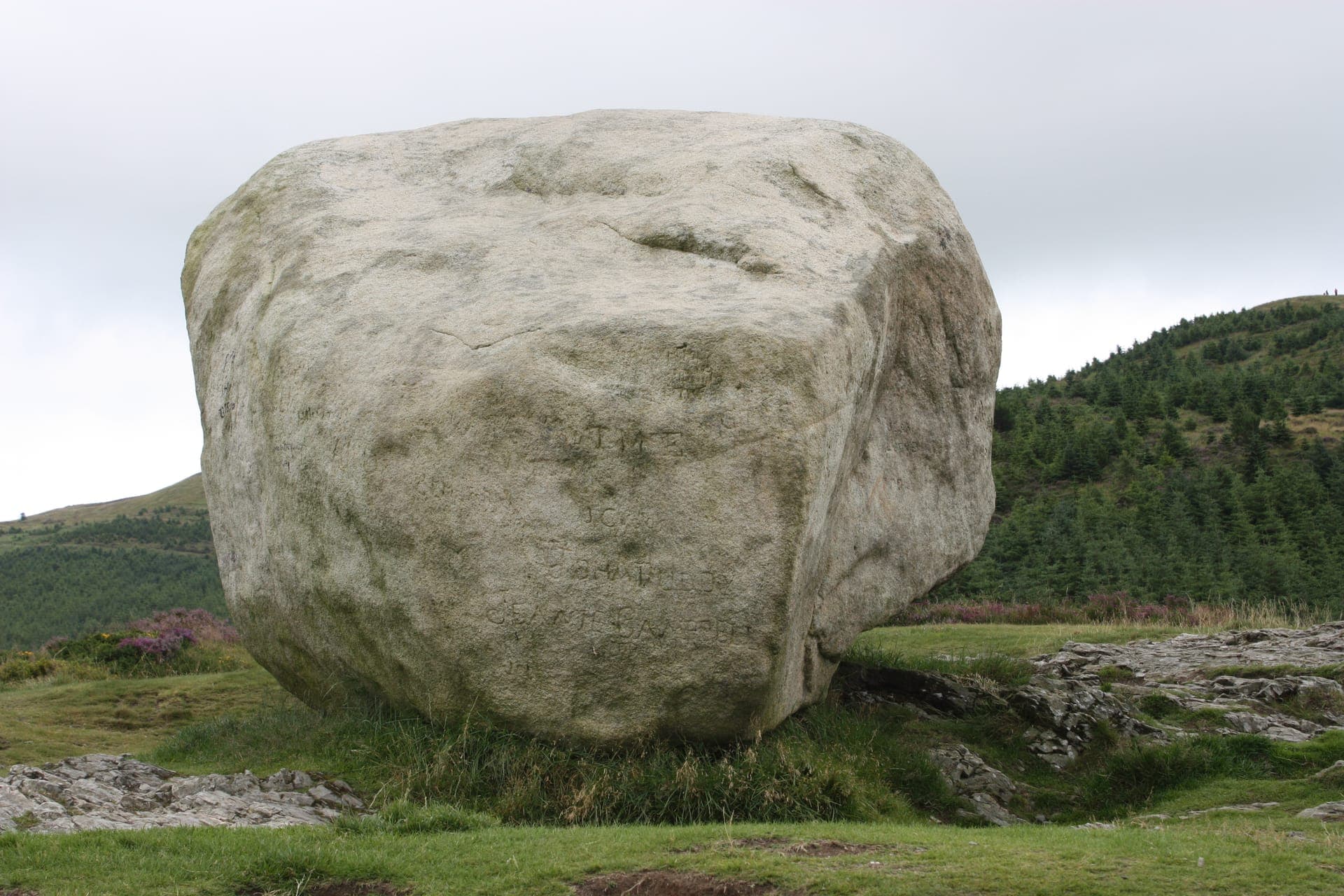
Mountains to Sea: The 3-Day Walking Trip
Summit to shore across Northern Ireland's highest peaks
Duration
3 Days
Theme
Active / Walking
Transport
On Foot
Best Season
May - October
Base
Newcastle
The Route at a Glance
Three days that take you from the summit of Slieve Donard — Northern Ireland's highest point at 850 metres — down through ancient smugglers' trails and along the Mourne Wall, finishing at the granite harbours where the mountains meet the Irish Sea. This is not a gentle stroll. It's a proper walking trip that demands fitness, decent kit, and respect for the mountain weather. But it rewards you with landscapes that most visitors to the Mournes never see: high corrie lakes, exposed ridge walks, the silence of empty summits, and the satisfaction of arriving at the coast under your own power.
Who It's For
Experienced walkers and hikers. You need to be comfortable with sustained uphill, rough terrain, and navigation in poor visibility.
What It Covers
1 summit (850m), the Mourne Wall, 2 smugglers' trails, 1 mountain lake, 2 harbours, and the coast where it all ends
What to Bring
Waterproof jacket and trousers, walking boots, OSNI 1:25,000 map + compass, head torch, first aid kit, warm layers, hat, gloves, sun cream, 2L water + snacks, packed lunch (Day 2)
“The mountains shall bring peace to the people.”
Psalm 72:3 — inscribed on the Mourne Wall
Day 1
The Summit of Slieve Donard
Northern Ireland's highest peak. 850 metres. The walk that every visitor to the Mournes should do at least once.
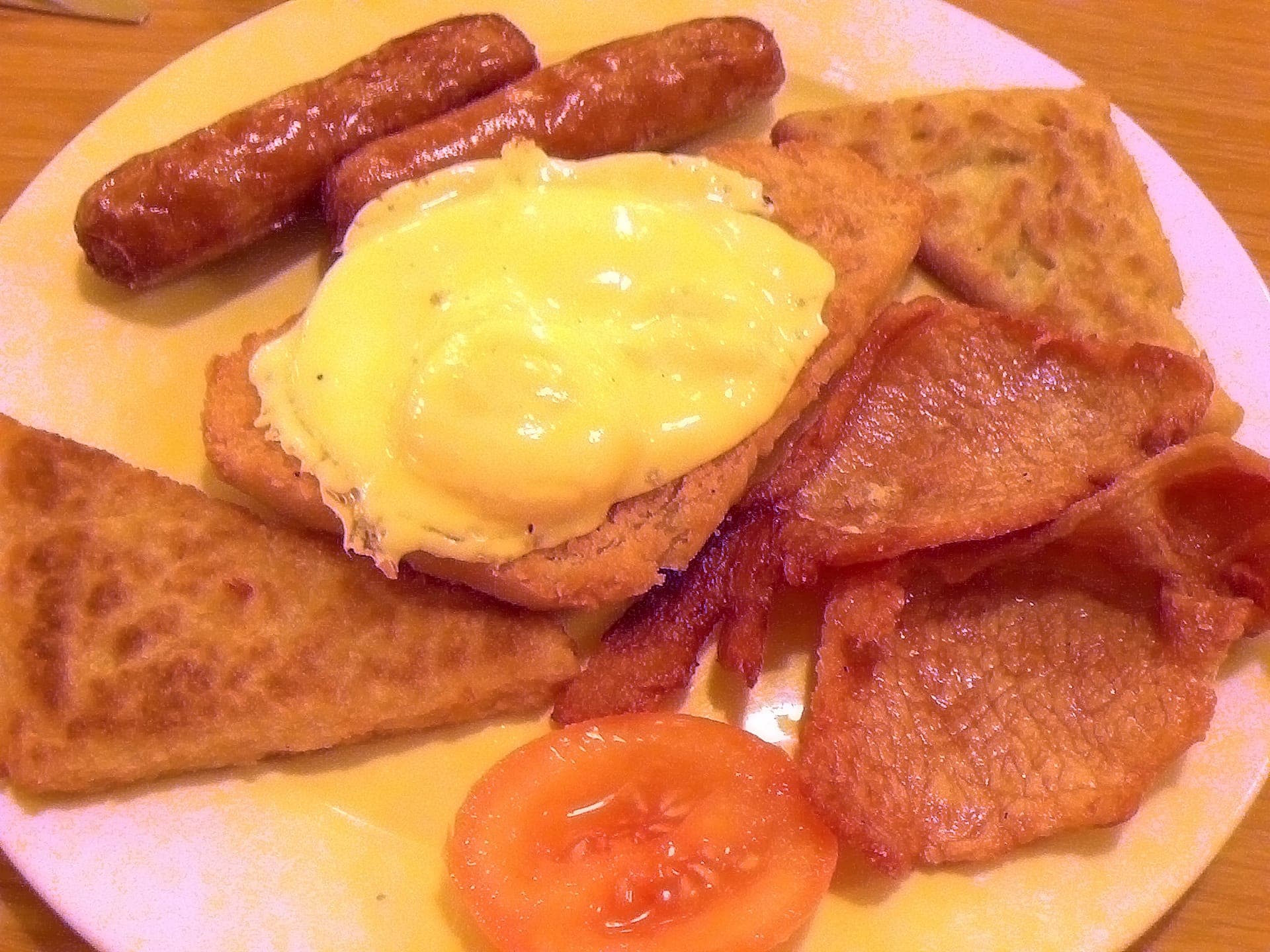
Fuel Up in Newcastle
45 minYou're climbing Northern Ireland's highest mountain today, so breakfast matters. Get a proper Ulster fry or a loaded porridge bowl at Niki's Kitchen Cafe on the main street, or try the Great Eastern for a full cooked breakfast with a view of Slieve Donard rising behind the promenade. Load up on carbs. Fill your water bottles. You'll need both.
Slieve Donard Summit via Glen River
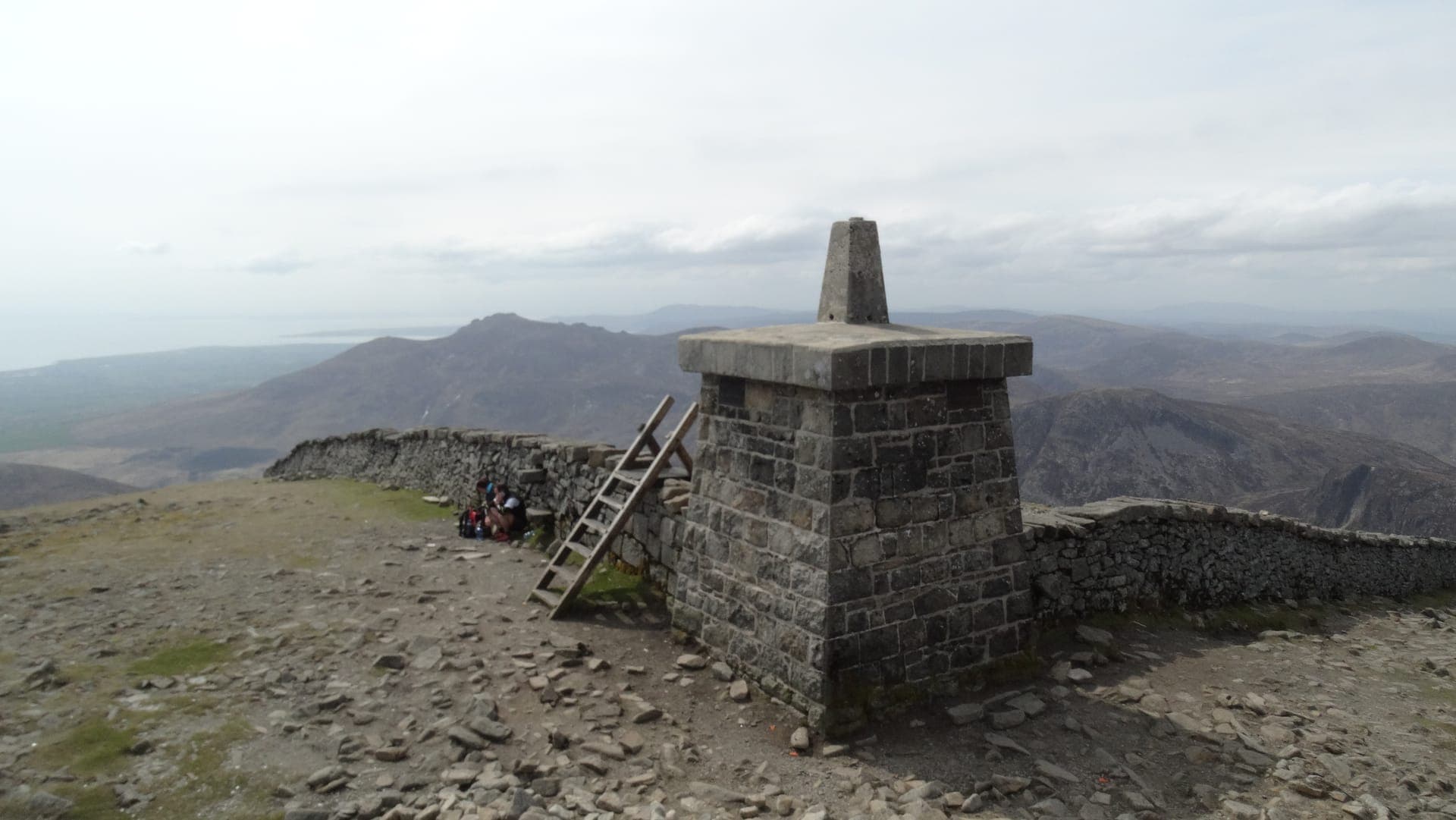
4-5 hours (return)Start from the Donard car park at the southern end of Newcastle. The path follows the Glen River through oak woodland before opening out into the valley between Slieve Donard and Slieve Commedagh. The climb is relentless but never technical — a clear path all the way. At the saddle between the two peaks, turn right and follow the Mourne Wall to the summit cairn at 850m. On a clear day you can see Scotland, the Isle of Man, and the Wicklow Mountains. The tower at the top was built as a cairn for the Ordnance Survey in 1826. Stand beside it and you're on the highest point in Northern Ireland. *Sliabh Donard* — Donard's mountain, named for a disciple of Saint Patrick who lived as a hermit on the summit.
The story of Saint DonardLunch in Newcastle
1 - 1.5 hoursYou've earned this. Back down to Newcastle for a late lunch. Try the Anchor Bar for a hearty pub lunch and a pint, or one of the cafes on the main street for something lighter. Your legs will thank you for sitting down. Refuel properly — you've burned serious calories and you've still got an evening walk ahead.
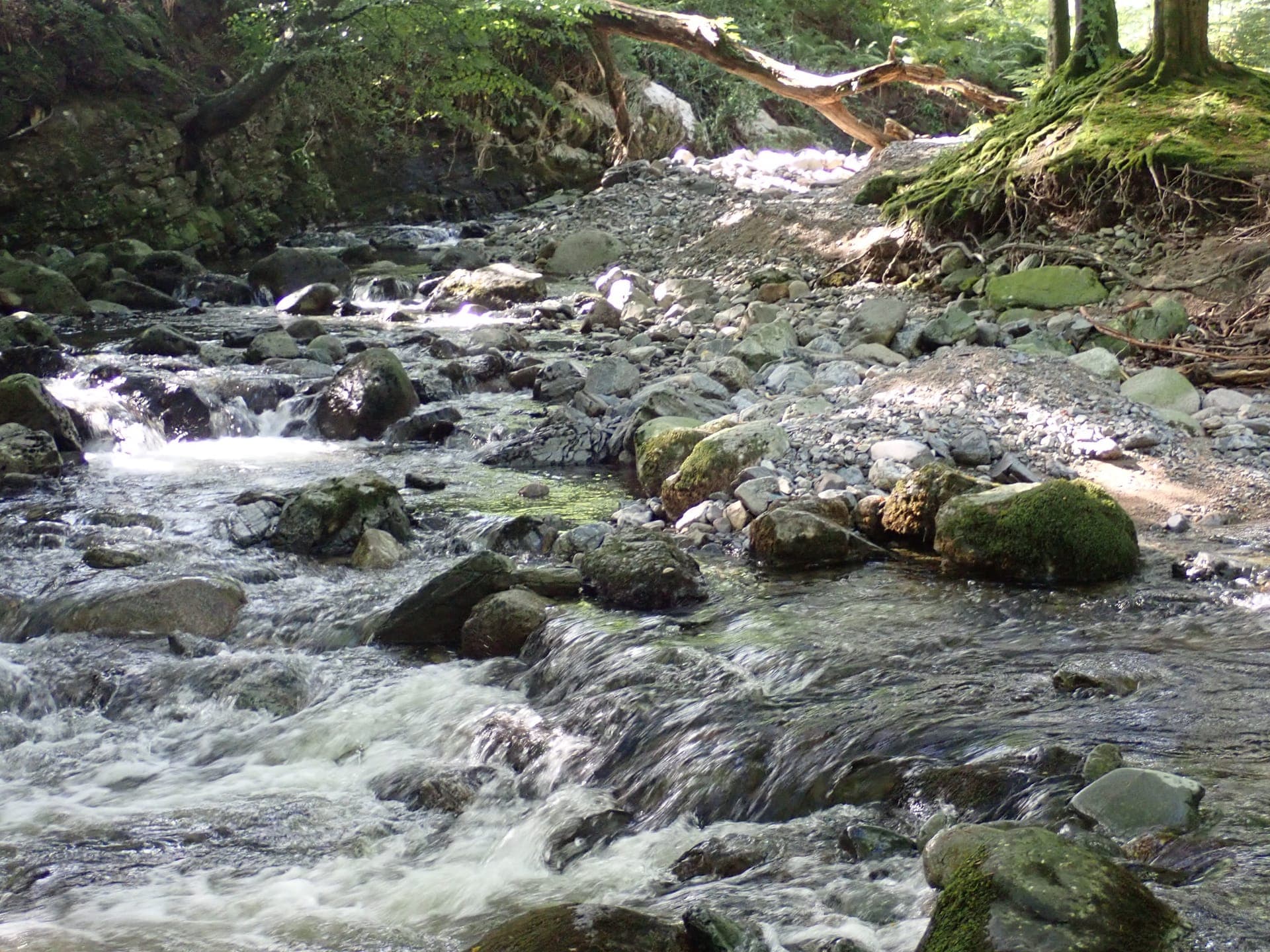
Tollymore Forest Park — Evening Walk
1.5-2 hoursDrive five minutes to Tollymore (*Tulaigh Mhór* — "the big hill"). This ancient forest was a Game of Thrones filming location — the Haunted Forest scenes were shot among these oaks and conifers. But forget the cameras. In the late afternoon light, the Shimna River path is magical on its own terms. Stone bridges, Gothic follies, and cathedral-like avenues of conifers. Walk the river trail (3km, easy) to stretch out those legs. The forest does something to you after a day on bare mountain — it pulls you back down to earth.
Forest parks guideDinner in Newcastle
1.5-2 hoursA proper dinner after a proper day. Try Briers Country House for locally sourced cooking in a relaxed setting, or a local pub for a steak and a pint in a traditional atmosphere. You've climbed the highest mountain in the province today. You deserve whatever you order. Early to bed — tomorrow is another big day on the hills.
Restaurant guideDay 2
The Mourne Wall & The Brandy Pad
Follow the 22-mile wall over the high peaks, then descend via the smugglers' trail to the coast. The biggest day of the trip.
Early Breakfast in Newcastle
45 minYou need an early start today. Grab breakfast at a cafe on the promenade that opens early for a solid fry. Alternatively, the Slieve Donard Resort does a walker-friendly early breakfast if you're staying there. Pack your lunch today — there's nowhere to buy food on the mountain. Sandwiches, flapjacks, plenty of water, and a flask of tea.
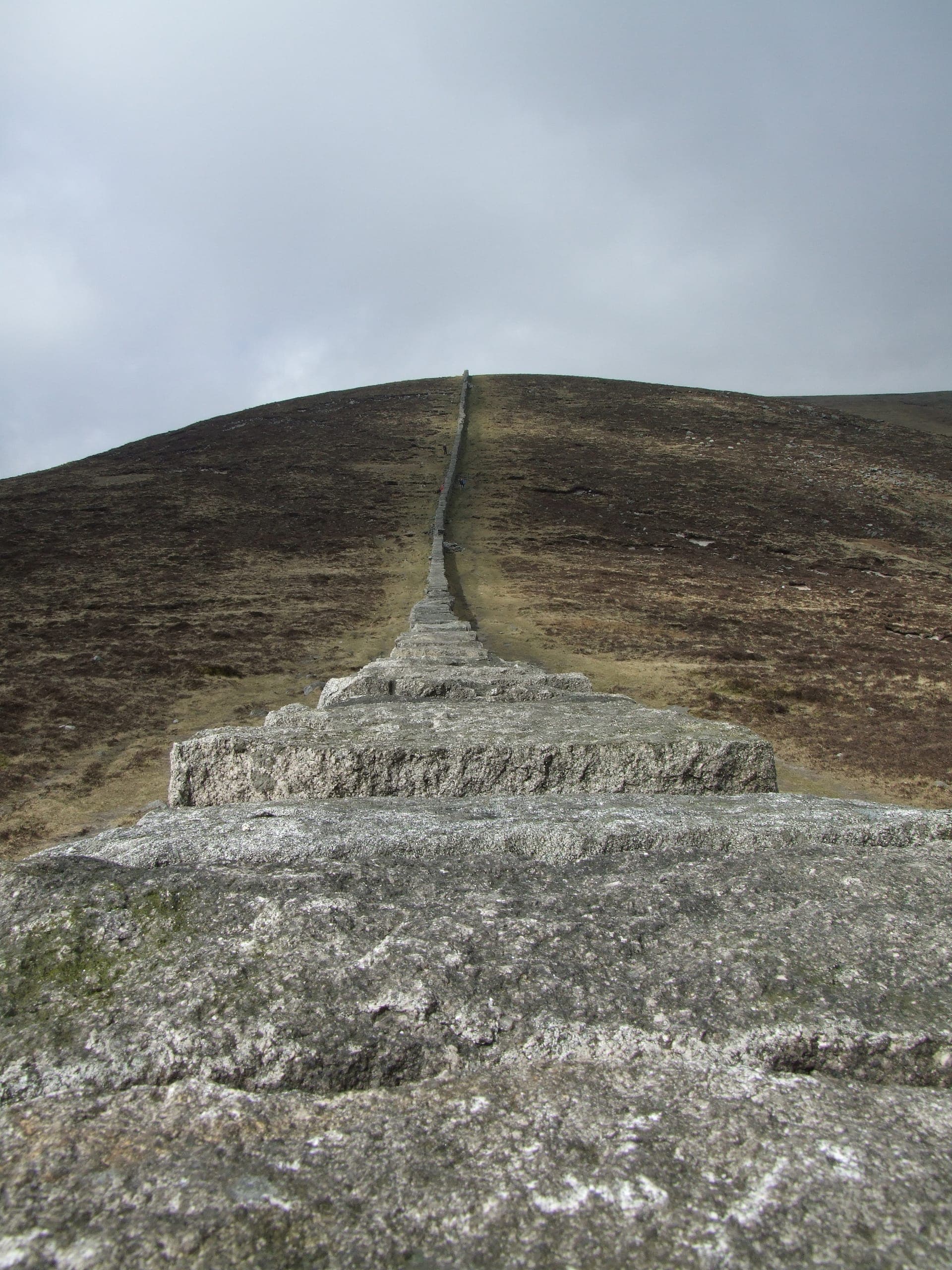
Mourne Wall: Hare's Gap to Slieve Meelmore
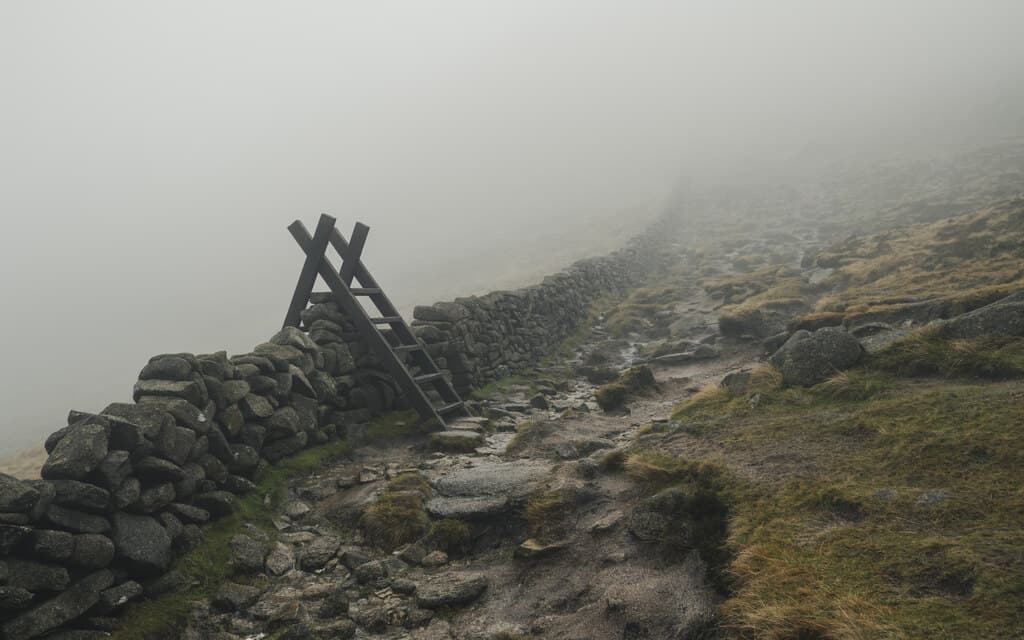
3-4 hoursDrive to the Trassey Track car park (15 minutes from Newcastle). Follow the Trassey Track through farmland and up into the col between Slieve Meelmore and Slieve Meelbeg. At the top, you'll meet the Mourne Wall — a 22-mile dry stone wall built between 1904 and 1922 to protect the Silent Valley reservoir catchment. It crosses 15 summits. Today you follow it northwest over Slieve Meelmore (687m) and down to Hare's Gap, the dramatic notch between the peaks where the old quarry road crosses. The wall is your guide, your windbreak, and your companion. Over 2,000 men built it by hand over 18 years. Every stone was carried and placed without mortar.
The story of the Mourne Wall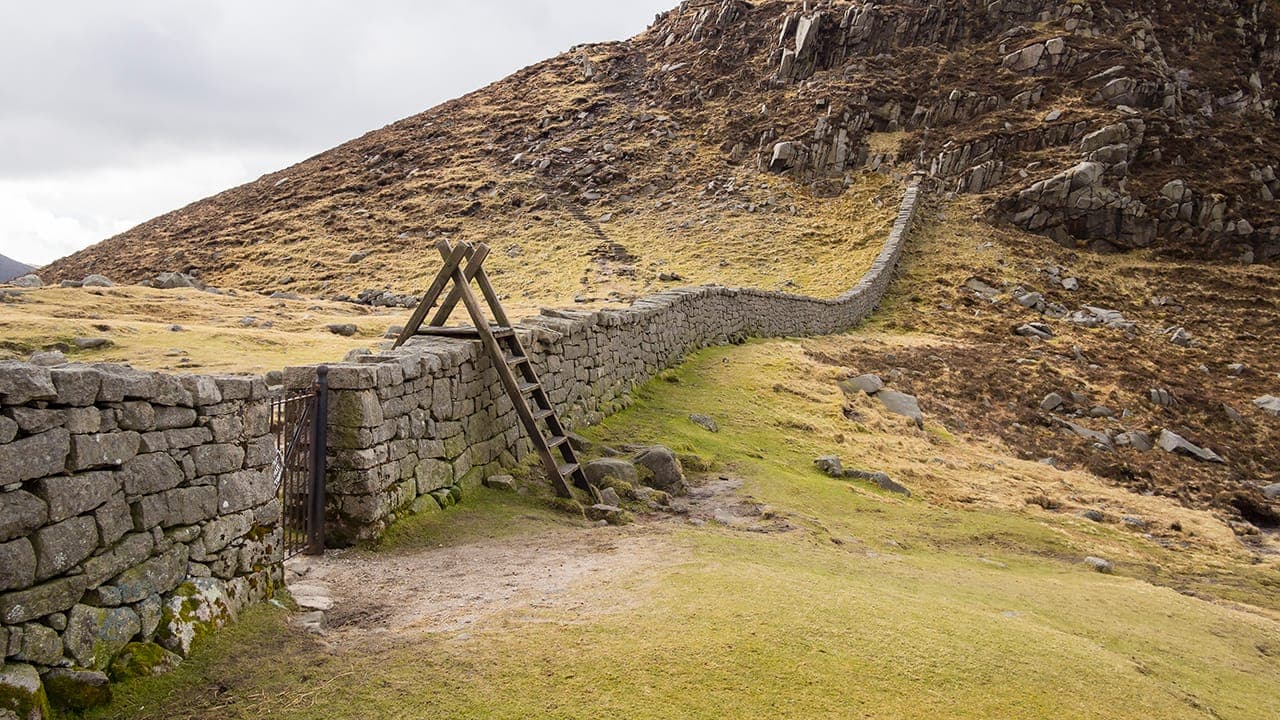
Packed Lunch at Hare's Gap
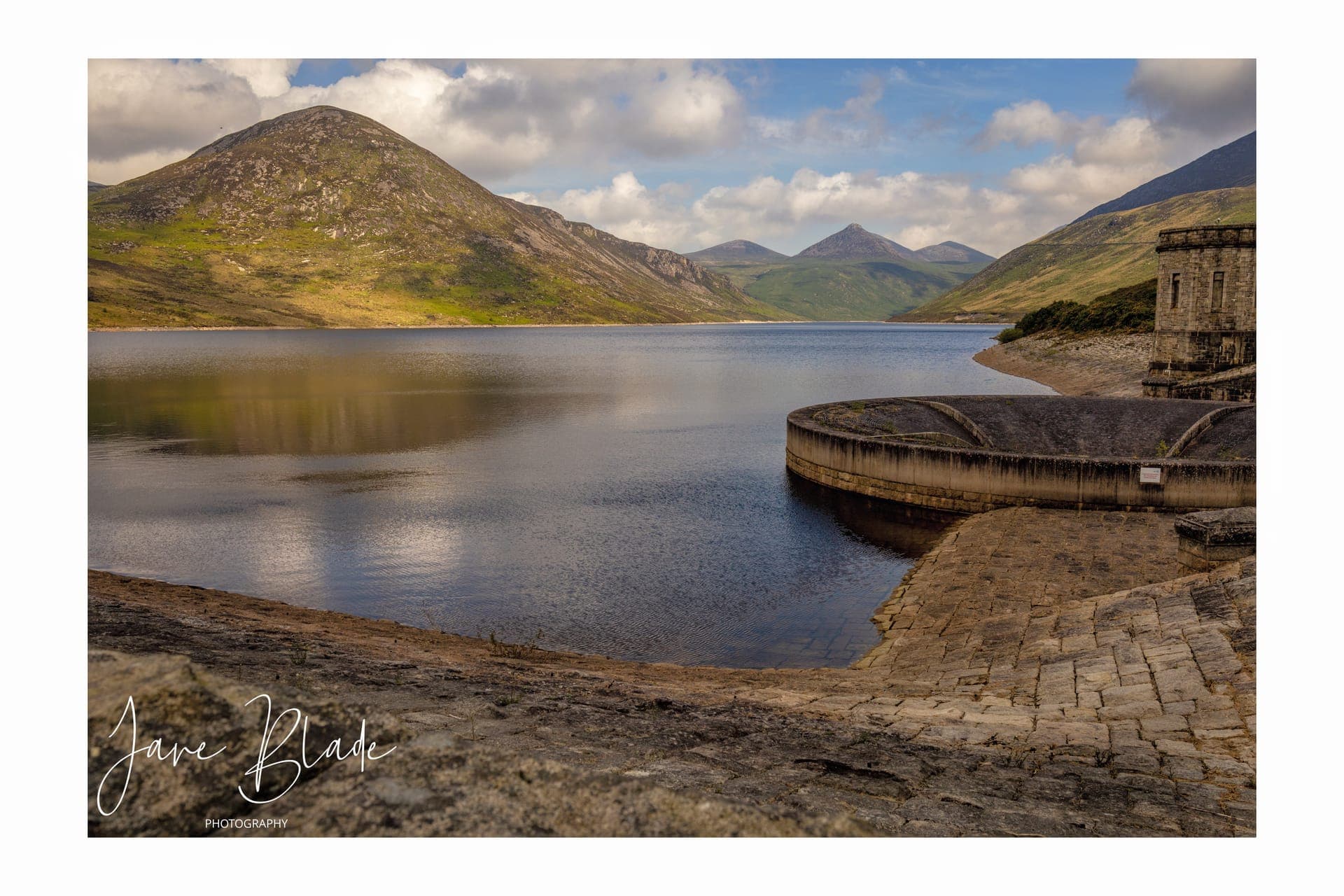
30-45 minSit on the rocks at Hare's Gap and eat your packed lunch with one of the best views in the Mournes. The Ben Crom reservoir glints below, the wall stretches away over the peaks, and if the wind drops you'll hear absolutely nothing. This is one of those moments you don't get in a restaurant. Eat slowly. Look around. Remember where you are.
The Brandy Pad Descent
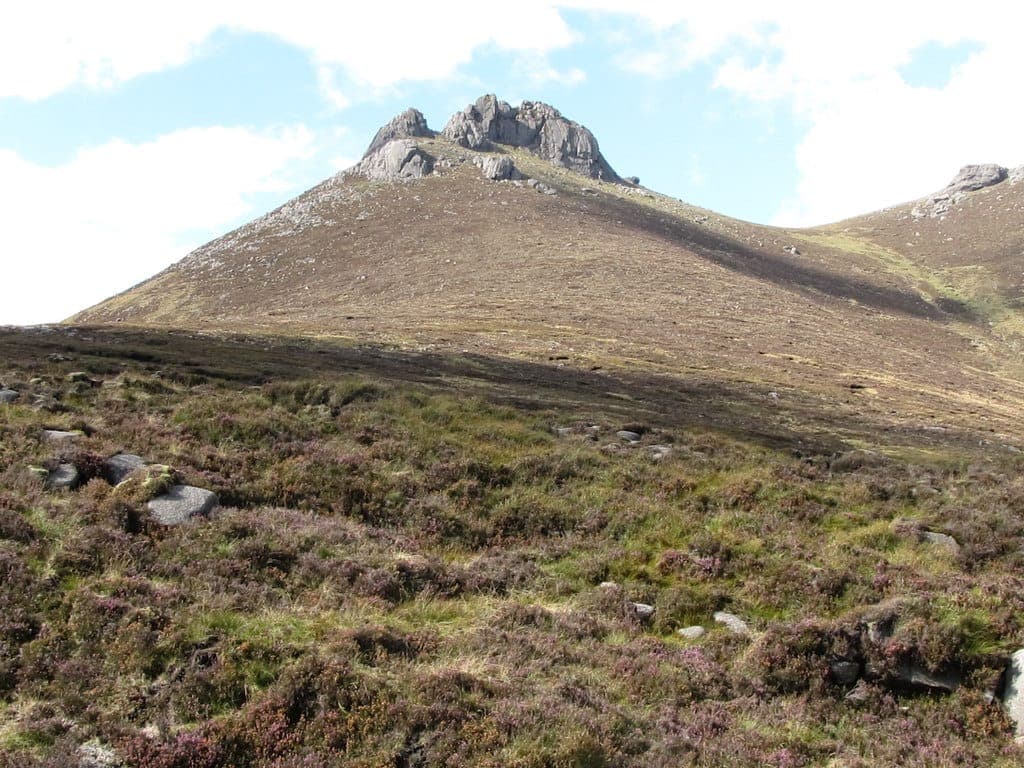
2-3 hoursFrom Hare's Gap, pick up the Brandy Pad — the old smugglers' trail that runs diagonally across the face of Slieve Commedagh. In the 18th and 19th centuries, smugglers landed French brandy, tea, and tobacco at Bloody Bridge on the coast, loaded it onto packhorses, and hauled it over this mountain path to avoid the customs men in Newcastle. The trail is clear but exposed — a wonderful high-level traverse with the Annalong Valley opening up below you. Descend to the Bloody Bridge car park on the coast road.
The smugglers' story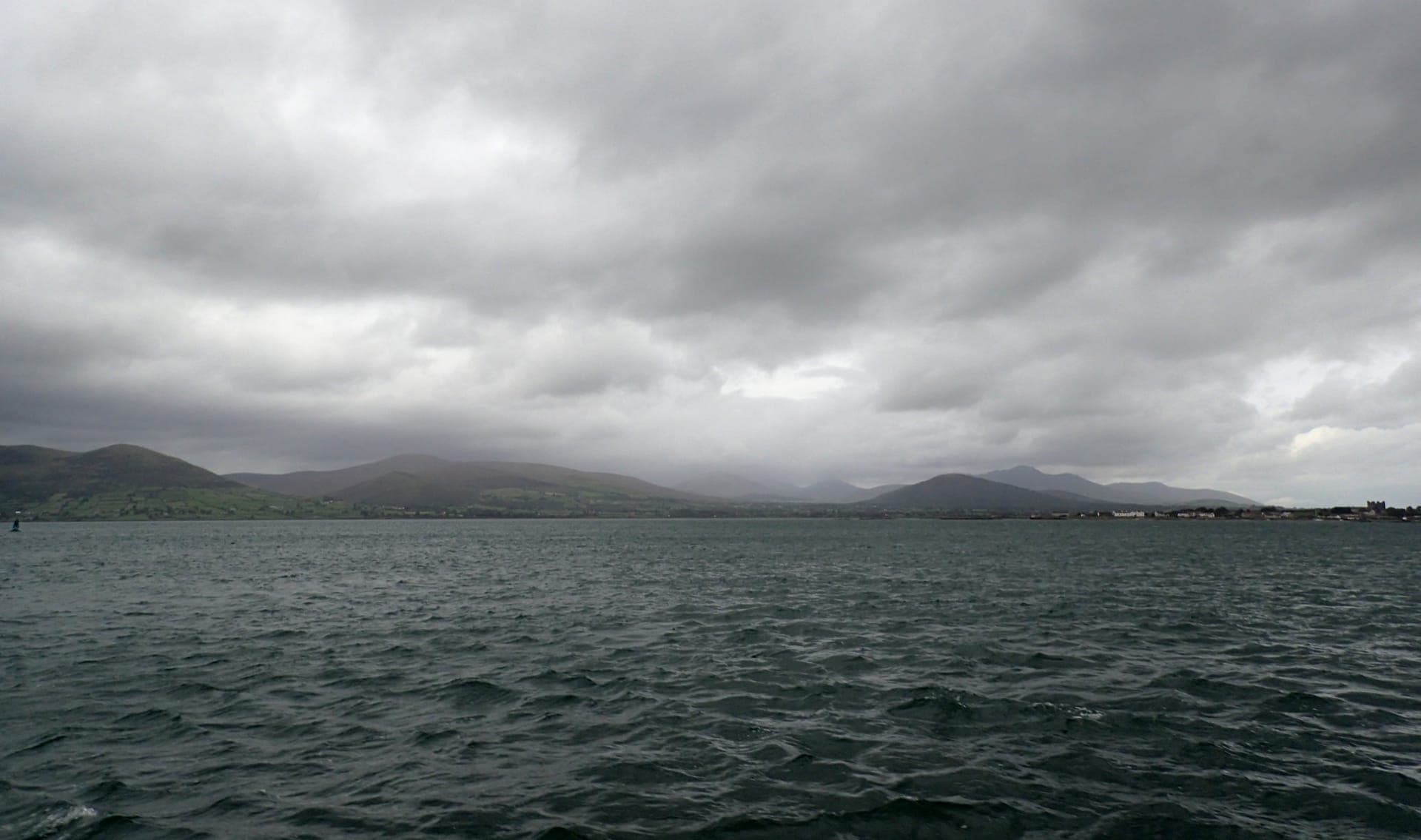
Blue Lough Detour (Optional)
1-2 hours (detour)If your legs have anything left, detour to Blue Lough (*Loch Gorm*) — a mountain lake cupped in a dramatic corrie beneath Slieve Lamagan. The water really is blue, impossibly so, held in a bowl of granite cliffs. It's one of the Mournes' most photographed spots and most people never see it because it requires the walk in. From the Brandy Pad, a side trail drops down to the lough. Add 1-2 hours for this detour. Worth every step.
Blue Lough storyDinner in Newcastle
1.5-2 hoursBack to Newcastle for dinner. Your legs will be telling you about the day. Try Brunel's for a hearty meal and a well-deserved pint, or one of the seafood restaurants for seasonal local cooking. You've walked the smugglers' trail today. You've earned every bite. Don't stay out too late — tomorrow is your coastal day, and you want to catch the morning light on the sea.
Restaurant guideDay 3
Bloody Bridge & The Coast
From mountain river to granite harbour to the sea. The gentle finale that brings your journey full circle.
Final Breakfast in Newcastle
45 min - 1 hourYour last morning. Treat yourself to a leisurely breakfast with a view of the sea. Today is gentler than the last two — coastal walking, harbour villages, and the satisfying feeling of completing a journey from mountain summit to sea level. No need to rush.
Bloody Bridge Coastal Walk
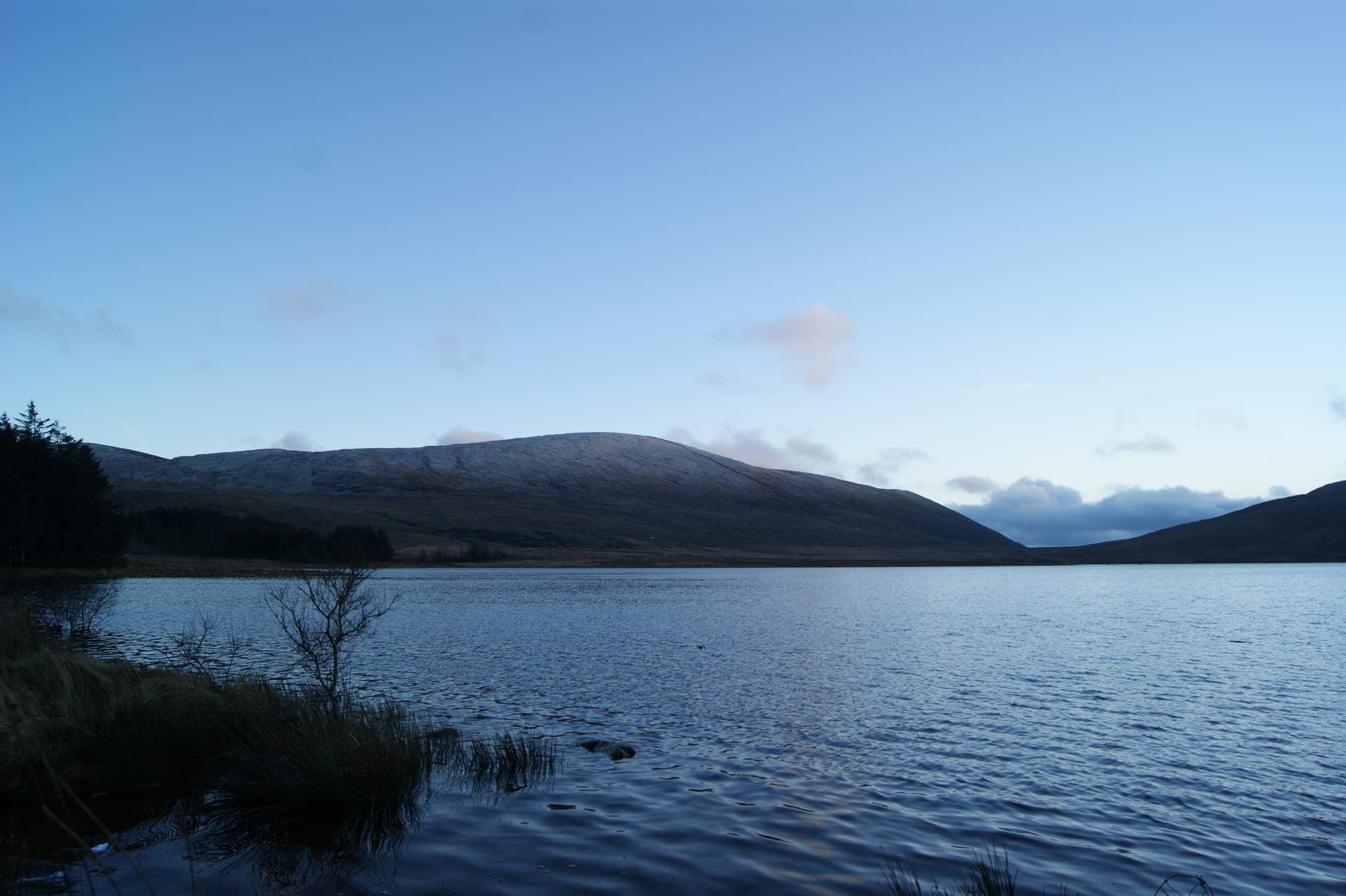
1.5-2 hoursDrive five minutes south to Bloody Bridge (*Droichead Fuilteach*). This is where the smugglers of the Brandy Pad came down to the coast — and where, in 1641, prisoners were massacred and thrown from the bridge. Today it's a beautiful walk. Follow the river path upstream from the car park, with the Mourne peaks rising above and the sea behind you. Or walk south along the coast for dramatic cliff views and wave-carved rock platforms. The contrast with yesterday's mountain walking is everything — salt air instead of mountain wind, seabirds instead of ravens.
Bloody Bridge story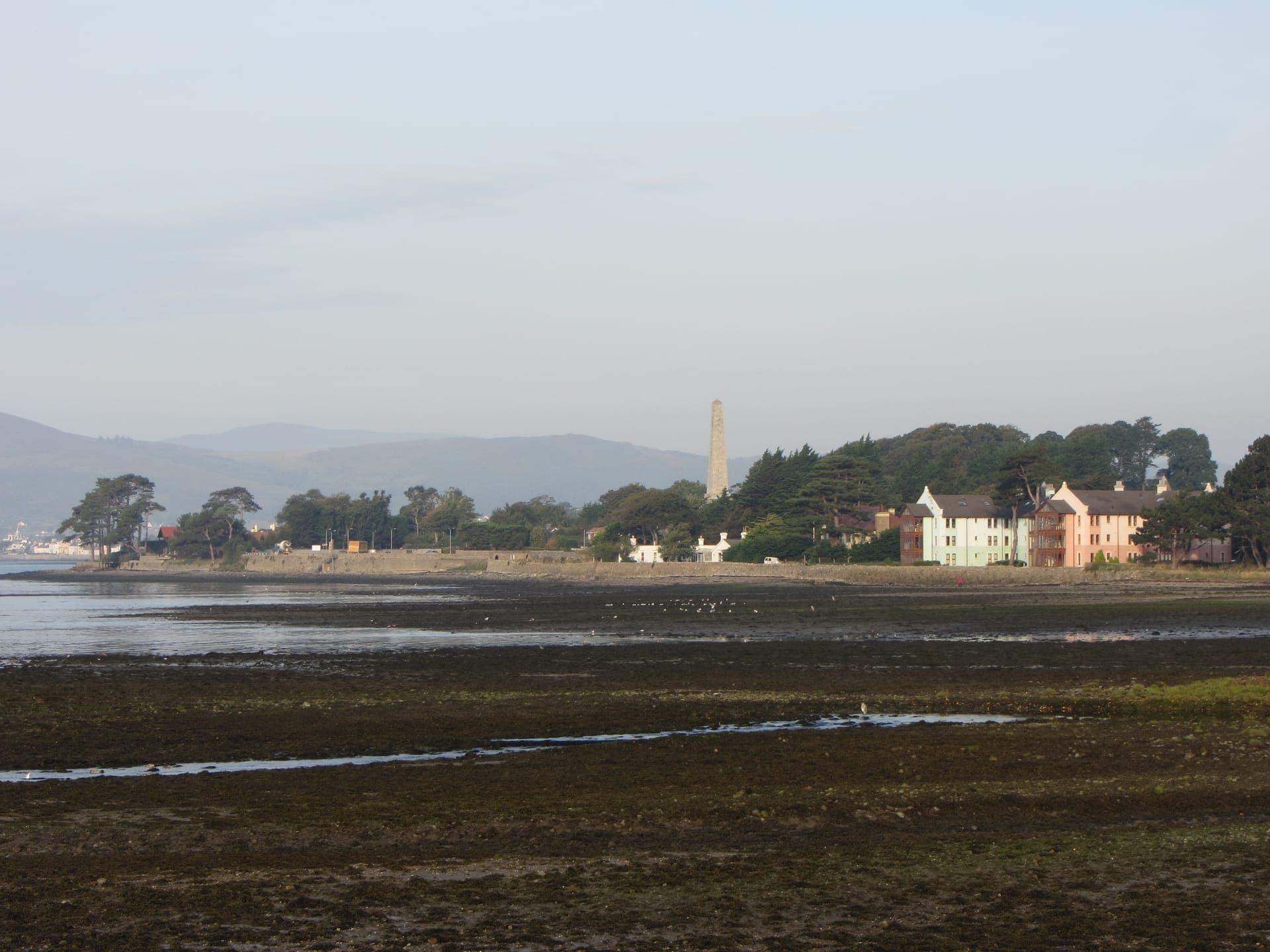
Lunch at Annalong
1 - 1.5 hoursDrive ten minutes south to Annalong (*Ath na Long* — "ford of the ships"). This granite harbour village once shipped Mourne stone around the world — to Liverpool, London, the Albert Memorial. Park at the harbour and find lunch at a local eatery. Eat looking out at the harbour where, in the 1800s, 18 boatloads of granite left every month.
Explore Annalong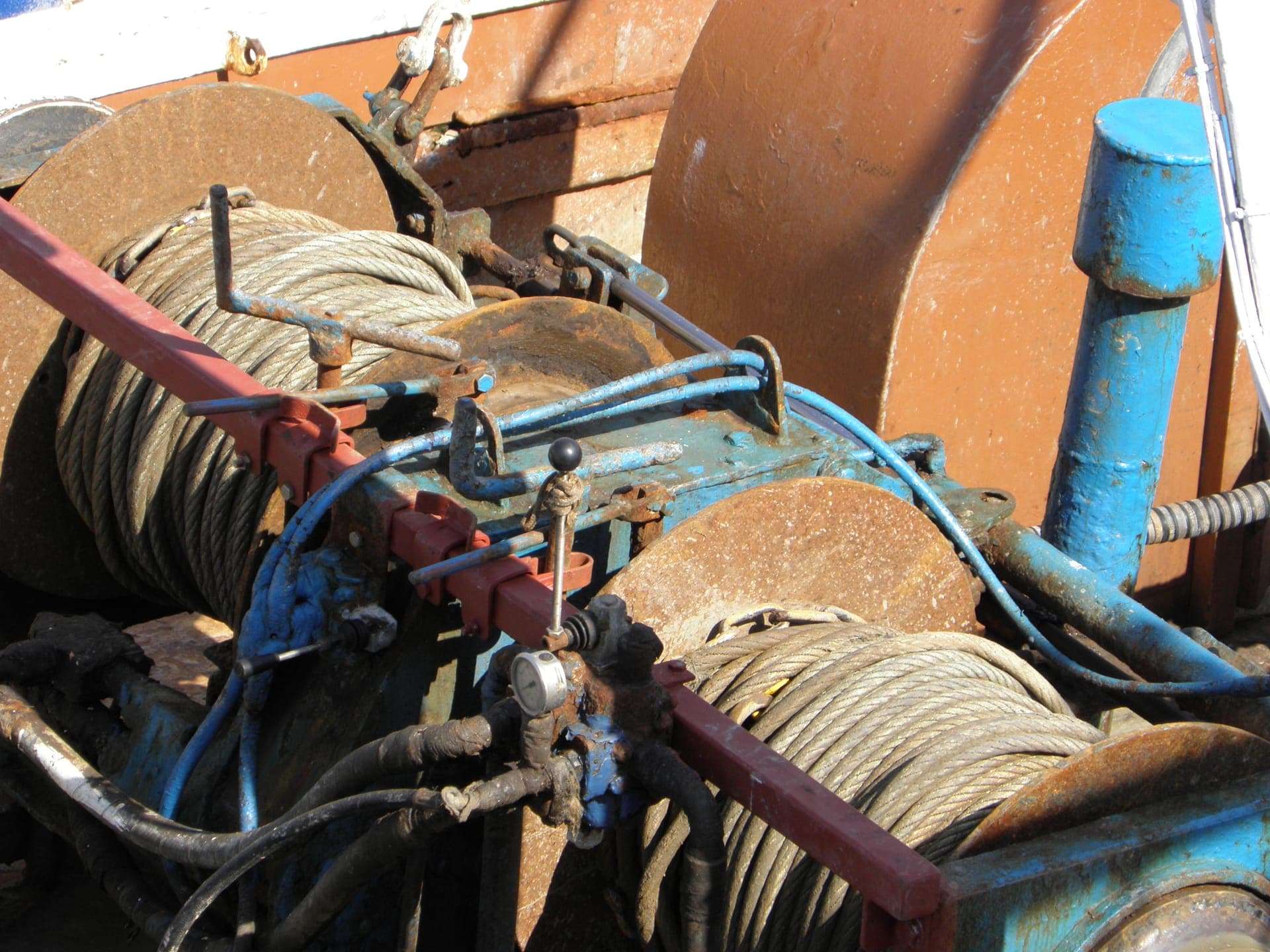
Annalong Harbour & Cornmill
45 min - 1 hourAfter lunch, explore the harbour and the Annalong Cornmill — an early-1800s watermill with a 15-foot waterwheel still intact. Three floors of exhibitions cover the milling trade, the granite export industry, and the lives of the stone workers who shaped this coast. The harbour itself is tiny and beautiful — lobster pots stacked on granite walls, the mountains rising straight behind. This is where the Mournes meet the sea in the most literal sense.
Coastal Path Back Towards Newcastle
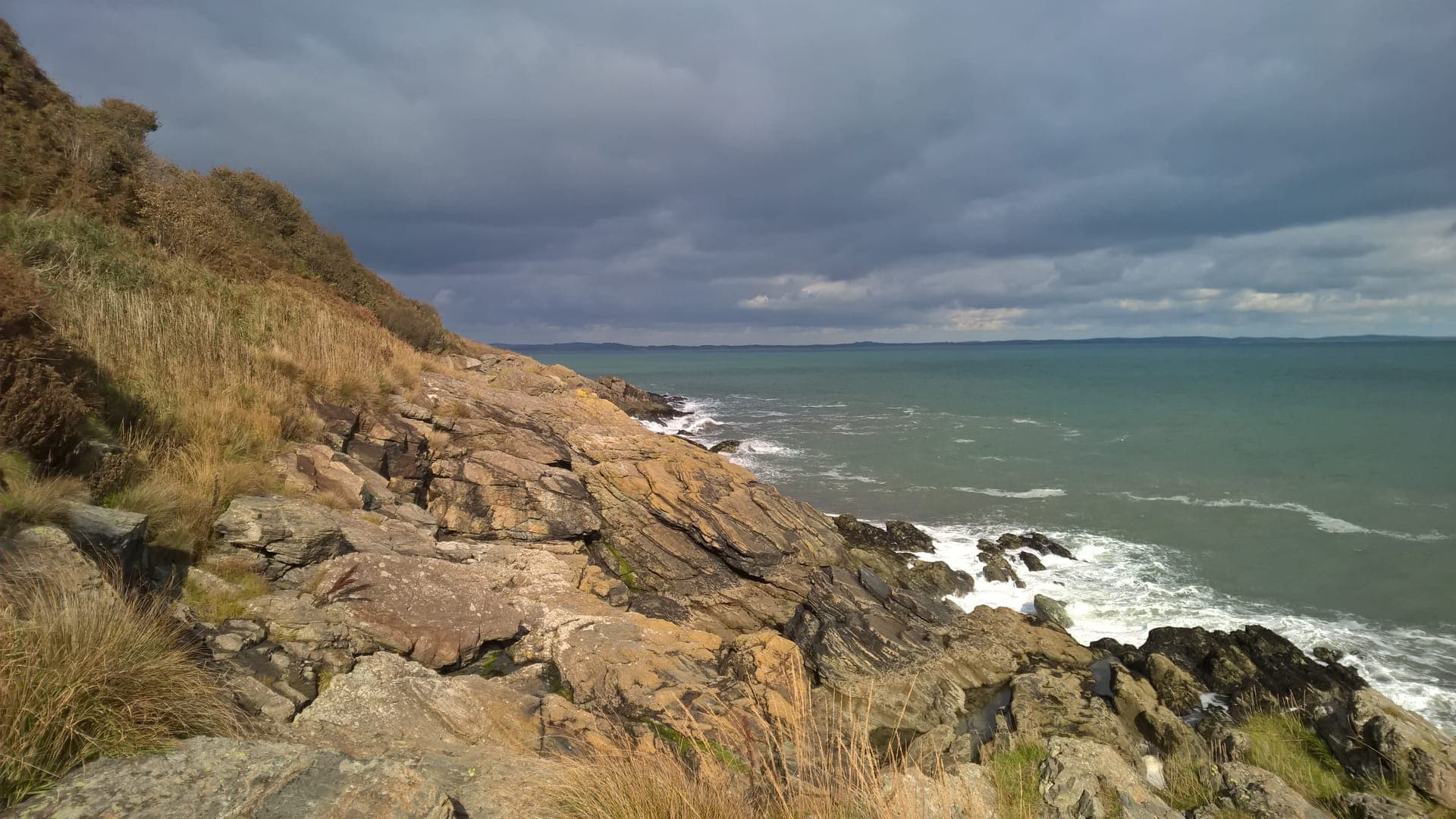
1.5-2 hoursFor the final walk of your trip, take the coastal path northward from Annalong back toward Bloody Bridge and Newcastle. This stretch of coast is where the Mourne Mountains really do sweep down to the sea — granite peaks dropping to wave-washed rock platforms, with nothing between you and the Isle of Man. The path follows the coast road in places and cuts across headlands in others. Walk as much or as little as you like. This is your victory lap. Three days ago you stood on the summit of Slieve Donard. Now you're at sea level, with salt spray on your face and the mountains rising behind you.
Farewell Dinner in Newcastle
2 hoursYour final evening. Make it count. Try the Percy French for a farewell meal with character, or Brunel's Restaurant for locally sourced cooking that celebrates the same landscape you've been walking through. Raise a glass to your legs. You've summited Northern Ireland's highest peak, walked the smugglers' trail, followed the Mourne Wall, and finished at the sea. The mountains behind you, the sea in front — that's the whole story of this place.
Restaurant guideInsider Tips
Slieve Donard and the Mourne Wall sections are serious mountain walks. Check weather forecasts (mountainweather.com or Met Office) before each day. Cloud cover on the summits changes everything — if visibility drops below 50m, save the mountain for another day.
Kit list: waterproof jacket and trousers (not a poncho), walking boots (broken in), map (OSNI 1:25,000 Mourne Mountains), compass, head torch, first aid kit, whistle, spare warm layer, hat, gloves, sun cream. Carry all of these every day — even if the forecast is clear.
The Mournes create their own weather. Sunshine in Newcastle can mean driving rain at 600m. Layer up and pack your waterproofs at the top of your bag, not the bottom. Gaiters are useful on the boggy sections around Hare's Gap.
Summit temperatures are typically 6-8°C colder than sea level. Wind chill on exposed ridges can make it feel 10°C colder again. Even in July, carry a fleece and windproof.
Day 2 is the longest and hardest day. If your legs are tired from Donard, consider shortening the route by skipping the Blue Lough detour. The Brandy Pad alone is a full day's walk.
If you're fit and keen, a sunrise summit of Donard on Day 1 is unforgettable — start at 4am in summer, reach the top for dawn, and you'll have the mountain to yourself. Descend for a late breakfast.
Day 2 logistics: park at Bloody Bridge car park and get a taxi to the Trassey Track trailhead. This way you walk point-to-point and finish at your car.
Mobile phone signal is patchy to non-existent on the mountain sections. Download offline maps before you go. Tell someone your route and expected return time. Mountain rescue number: 999 (ask for Mountain Rescue).
More Itineraries
Explore more ready-made trip plans for the Mourne region
Stories Along This Route
Discover the tales woven into the places you'll visit.
Ready to Walk the Mournes?
Get practical information on getting here, where to stay, and everything you need to plan your walking trip.
Plan Your Trip