On the Trail of Giants and Ghosts
From Fionn's Boulder to the Dolmen That Has Stood for 5,000 Years
Duration
Day Trip
Theme
Folklore
Transport
Driving + Short Hikes
Best Season
March - November
Route
Rostrevor — Gullion — Downpatrick — Legananny
The Trip at a Glance
Every landscape in the Mourne region has a story beneath it. Giants hurled boulders across loughs. A supernatural hag stole a warrior's youth in a mountain lake. Pilgrims walked through the night to bathe in wells older than any church. And someone — five thousand years ago — carried impossibly heavy stones to the slopes of Slieve Croob and balanced them in a way that has outlasted every civilisation since. This itinerary stitches those stories together into a single day of driving and walking. You will visit four sites that span the full arc of Mourne mythology: from the giant Fionn Mac Cumhaill to the Cailleach Beara, from midnight healing rites to Neolithic engineering that science still cannot fully explain. Bring good shoes, a camera, and an open mind. The stories are strange. The places are real.
Who It's For
Anyone who wants to feel the mythology in the landscape. History lovers, photographers, walkers, and anyone tired of gift shops and guided tours.
What It Covers
1 giant's boulder, 1 enchanted summit lake, 1 set of ancient healing wells, 1 Neolithic dolmen, and 5,000 years of stories
What to Bring
Walking boots, waterproof jacket, camera, a strip of cloth for Struell Wells, and a willingness to believe in things you cannot see
“In Ireland, the line between history and mythology is not a line at all. It is a place where two rivers meet, and the water is the same.”
Irish proverb
The Route
Rostrevor to Legananny
8 stops. Take your time — the drive itself is the destination.
Breakfast in Rostrevor
45 min - 1 hourStart your day where the giants started theirs — in the village at the foot of Slieve Martin, with Carlingford Lough spread out before you. Rostrevor (*Ros Treabhair*) has drawn visitors since the Victorian era, but the stories here are far older. Grab a table at a cafe on the square, or settle into a local pub for a full Irish breakfast with views over the water to the Cooley Mountains. Somewhere across that lough, Fionn Mac Cumhaill once picked up a boulder the size of a house. You'll be visiting it within the hour.
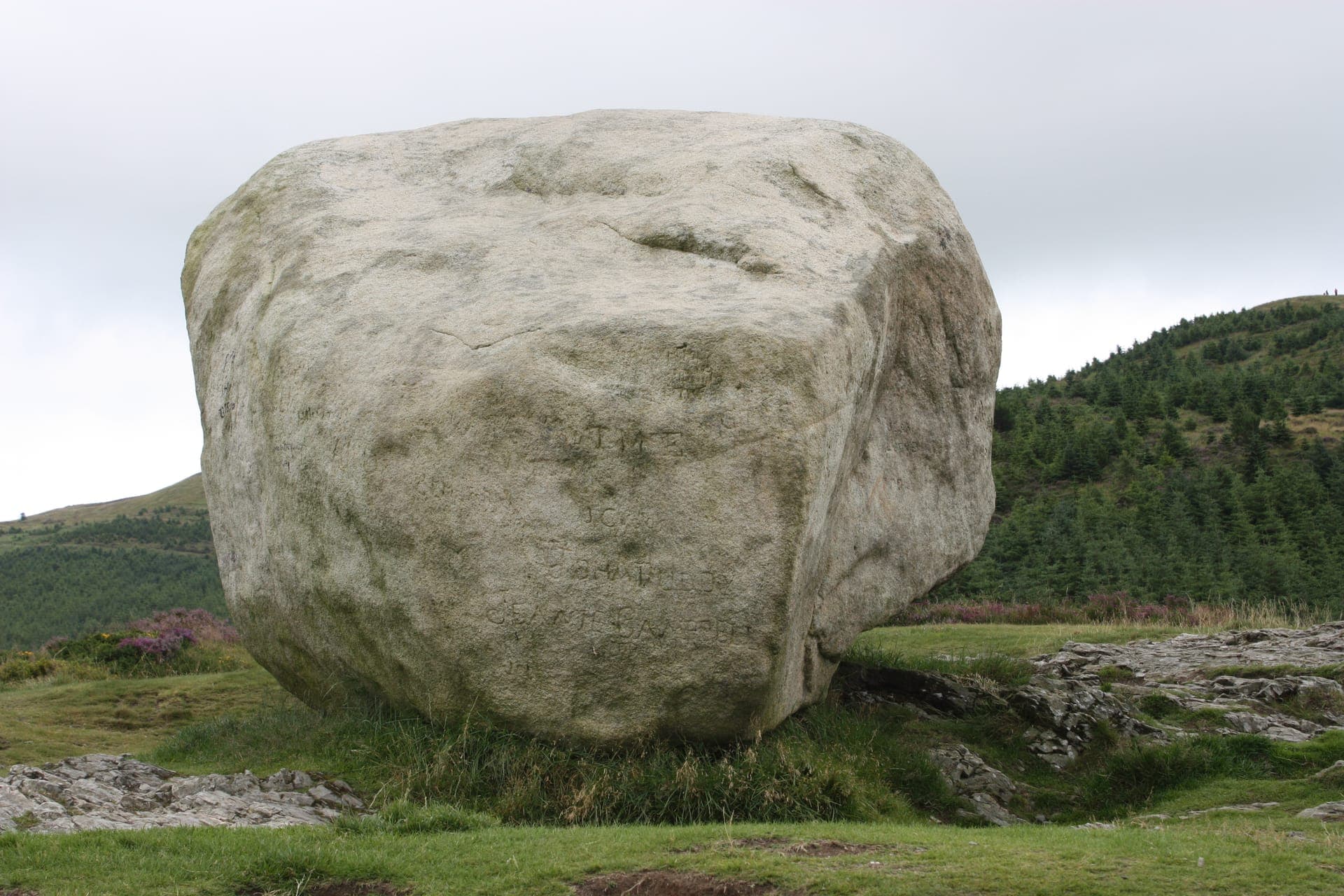
Cloughmore Stone — The Boulder a Giant Threw
1.5 hours (walk + time at the stone)Walk uphill from the Fairy Glen car park through Kilbroney Forest to the Cloughmore Stone (*An Chloch Mhor* — "the great stone"). It takes about 30-40 minutes, the path winding through ancient oaks before opening onto the hillside. And then you see it: a 50-tonne granite boulder, perched impossibly on the slope of Slieve Martin, looking like it was placed there yesterday. Science says the last Ice Age left it here. The locals say Fionn Mac Cumhaill, the great warrior of the Fianna, picked it up from the Cooley Mountains across the lough and hurled it at a rival giant on this side. Stand beside it. Look across the water to where Fionn supposedly stood. The distance is about 4 kilometres. The stone weighs 50 tonnes. The story has survived longer than most empires. Sit on the bench and take in the view — Carlingford Lough below, the Cooley Peninsula beyond, and the whole of the Mourne hinterland behind you.
Read the full legend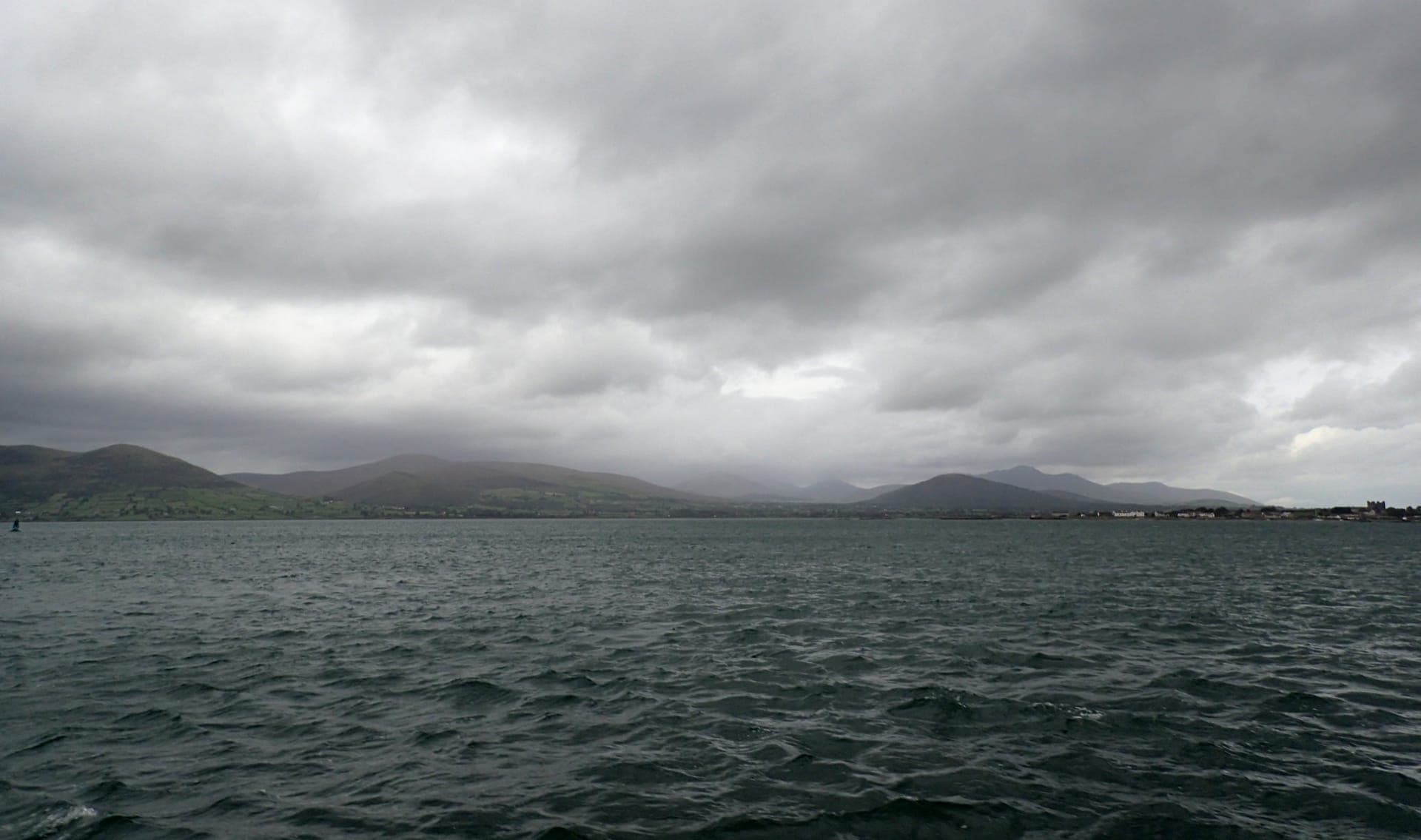
Slieve Gullion — The Lake That Stole a Giant's Youth
2 - 2.5 hours (drive + summit walk)Drive west through Newry and follow signs for the Slieve Gullion Forest Park. This is Ring of Gullion territory — a volcanic ring dyke 60 million years old, a landscape woven so thick with mythology that every field has a story. Park at the Slieve Gullion Courtyard and follow the summit trail. The walk to the top takes about an hour, climbing steadily through heather and bog to the highest point in County Armagh (573m). At the summit, two things await you. The first is the south cairn — a passage tomb older than the Egyptian pyramids, its entrance still aligned with the winter solstice sunset. The second is the lake. *Loch na gCailleach* — the Lake of the Hag. In the oldest version of the legend, the Cailleach Beara (a supernatural old woman who shaped the landscape) lured Fionn Mac Cumhaill to this lake and asked him to retrieve a golden ring from the water. Fionn dived in. When he surfaced, he was an old man with white hair, all his youth and strength drained away. The Fianna carried their aged captain down the mountain. Some say they forced the Cailleach to reverse the spell. Others say Fionn was never quite the same again. The lake is still there. On an overcast day, it is black and fathomless. The Cailleach, the locals will tell you, has not left.
The enchantment of Fionn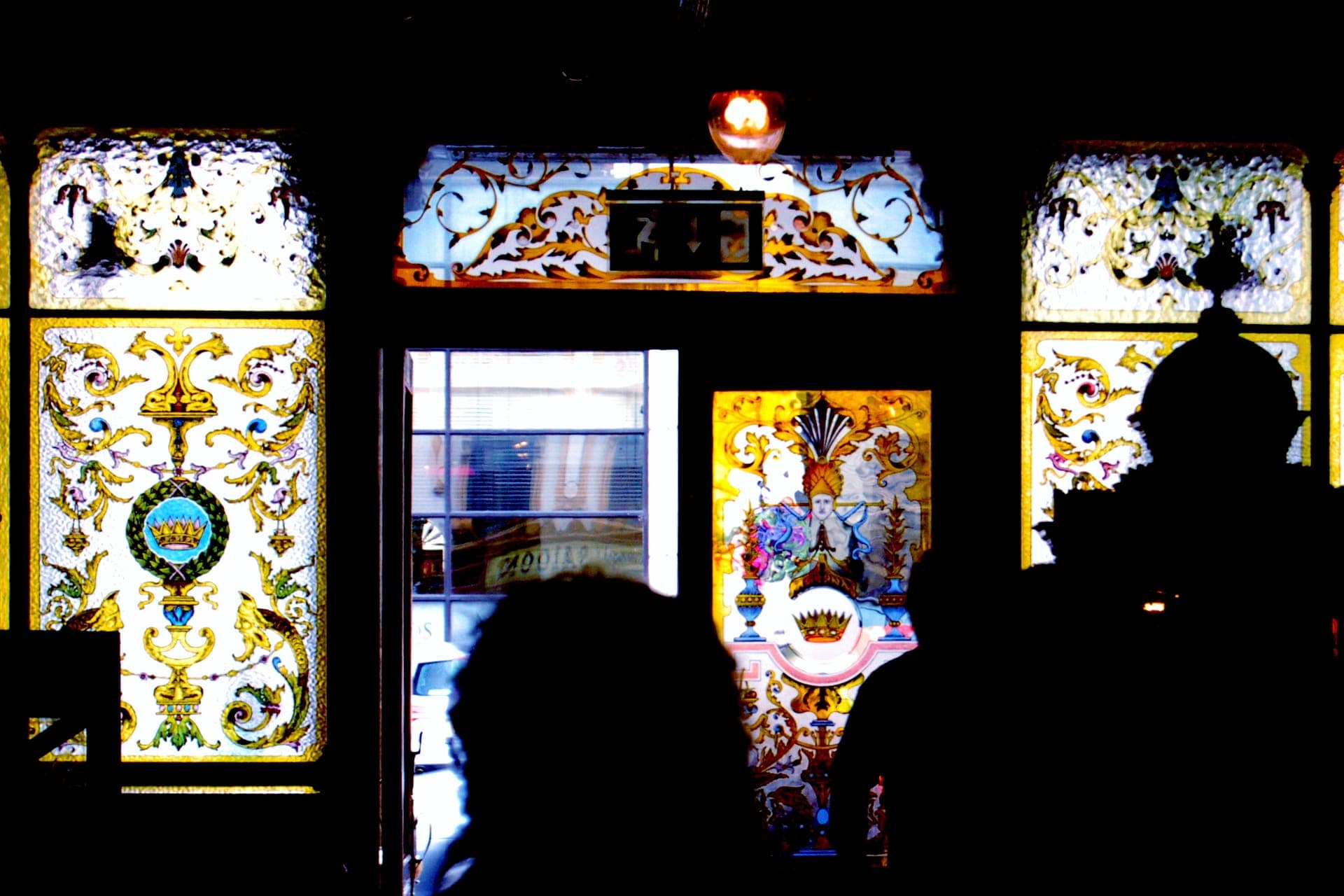
Lunch in Newry
1 hourAfter the mountain, head back through Newry (*An tIur* — "the yew tree"). You've earned a proper lunch. Try The Brass Monkey on Monaghan Street for hearty pub grub and local craft beer, or a cafe on Hill Street for something lighter with a coffee. Newry sits at the head of the canal that links Carlingford Lough to Lough Neagh — it has been a crossing point and trading post for centuries. The Newry Canal, opened in 1742, was the first summit-level canal in the British Isles. While you eat, you're sitting in a city that has watched people and goods pass through since before the Normans arrived. Refuel properly. The afternoon involves ghosts.
Explore NewryStruell Wells — The Place They Came to at Midnight
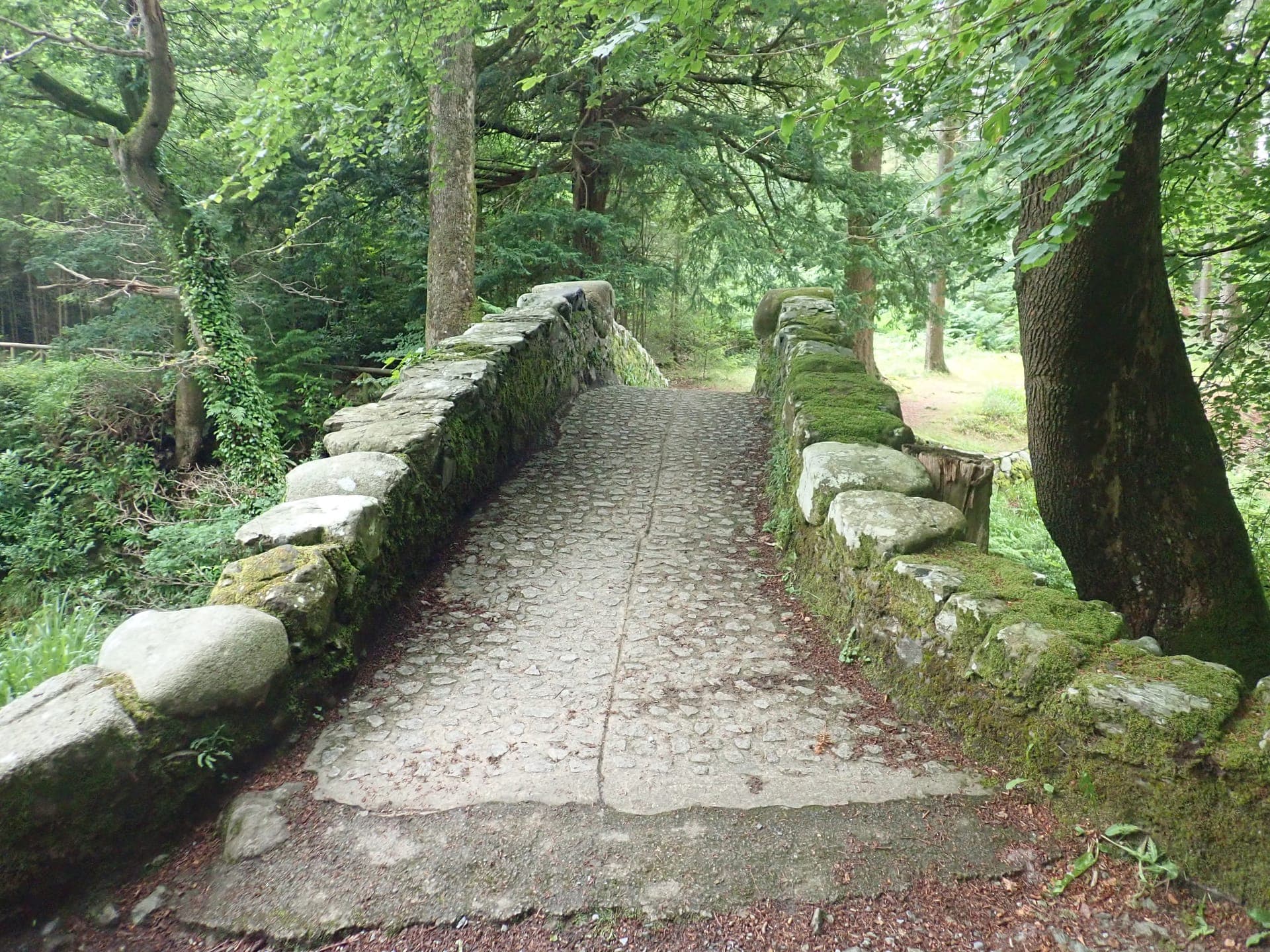
45 min - 1 hourDrive east from Newry towards Downpatrick, but before you reach the town, turn south and follow the narrow lane to Struell Wells. You will think you have gone the wrong way. You haven't. The lane drops into a sheltered valley hidden from every direction, and there, in a place that feels like the earth opened up to hide something sacred, are the wells. Two of them. Plus two stone-roofed bathhouses — one for men, one for women — and the ruins of a small church. For centuries, hundreds of people gathered here on Midsummer Eve (*Oiche Fheile Eoin*). They walked clockwise around the wells, drank the water, and bathed in the stone bathhouses under the stars. The tradition was old when the Church tried to connect it to Saint Patrick. The wells were almost certainly venerated for thousands of years before Patrick arrived. The drinking well still flows. The bathhouses still stand. On a quiet afternoon, with no one else here, you can feel why people walked for miles in the dark to reach this place. The air in the valley is different — still, sheltered, and oddly warm. Leave something behind. Others have. The bushes around the wells are tied with ribbons and cloth — *clooties* — left by visitors asking for healing. Some look recent.
The midnight pilgrimages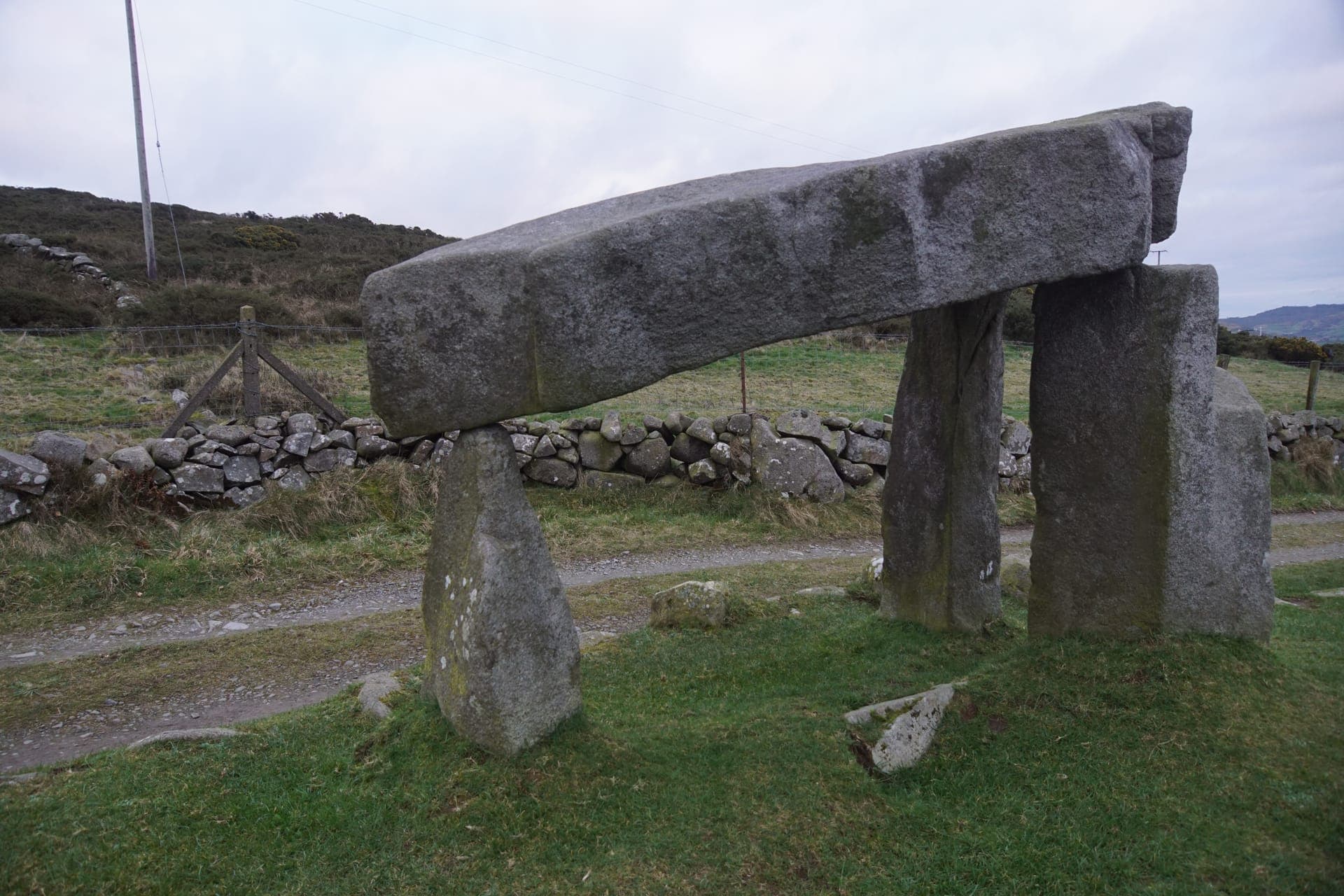
Downpatrick — Saint Patrick's Grave
30-45 minYou are 10 minutes from Downpatrick (*Dun Padraig* — "Patrick's fort"). Whether or not you believe the patron saint of Ireland is really buried here, the cathedral on its hill is worth the detour. A granite slab in the churchyard marks the spot. Inside the cathedral, stained glass and 800 years of history. From the churchyard, look south across the Quoile marshes — this was the landscape Patrick preached to. The view has barely changed in 1,500 years. Downpatrick is also home to the Saint Patrick Centre, if you want the full exhibition. But the grave and the view are the essential stops. Walk the churchyard. Read the inscriptions. Then drive on — one more stop remains, and it's the oldest of them all.
Explore DownpatrickLegananny Dolmen — 5,000 Years of Standing
30-45 minDrive south-west from Downpatrick into the rolling drumlins towards Castlewellan, and then follow the signs for Legananny Dolmen. The road narrows. The land rises. And then, in a field on the slopes of Slieve Croob, you see it. Three slender stone legs supporting a capstone that weighs roughly 3 tonnes, balanced there since the Neolithic period — around 3000 BC. Five thousand years. This is not a ruin. It is an engineering achievement by people who left no written records, no names, no explanation. They simply built it and left. Nobody knows exactly why. It may have been a burial chamber. It may have been a territorial marker. It may have been something else entirely. What is certain is that it has stood here while every civilisation since has risen and crumbled. The Romans never made it this far. The Normans built castles that have fallen. The British Empire expanded and contracted. The dolmen stands. From this spot, the entire Mourne range spreads before you — Slieve Donard, Slieve Commedagh, Slieve Binnian, all of them laid out on the horizon. The people who built this dolmen chose this exact spot for this exact view. Stand where they stood. Look at what they looked at. Five thousand years, and the mountains haven't moved.
The dolmen's storyDinner in Castlewellan or Newcastle
1.5-2 hoursFrom Legananny, you are 20 minutes from Castlewellan or 30 minutes from Newcastle. Either makes a fitting end to a day spent in the company of giants and ghosts. In Castlewellan, try The Yard at Hillyard House for seasonal food in an atmospheric setting, or head to Newcastle for more options — The Anchor Bar for a pint and a seafood platter, or a restaurant on the Main Street for modern Irish cooking with Mourne views. You have spent the day walking in the footsteps of Fionn Mac Cumhaill, standing where pilgrims stood at midnight, and touching stones that were placed before writing was invented. A quiet dinner, with the mountains turning blue in the last light, is the only ending this day deserves.
More restaurantsInsider Tips
The Cloughmore Stone walk is about 40 minutes each way on a clear forest path. Wear proper shoes — the last section is steep and can be muddy. The Slieve Gullion summit trail is a moderate 2-hour loop with some boggy sections.
The route covers roughly 90 miles of driving. Do it clockwise as written — Rostrevor to Gullion to Downpatrick to Legananny — for the best flow and to finish with the view from the dolmen at golden hour.
Struell Wells is extraordinary in any weather, but the Slieve Gullion summit lake loses its atmosphere on a cloudless day. Overcast, misty conditions make the Cailleach story feel terrifyingly plausible. Check the forecast and be glad if it is grey.
Legananny Dolmen is best photographed in the late afternoon when the Mournes behind it catch the golden light. Arrive after 4pm in summer for the best shots.
Struell Wells has no visitor centre and limited signage. Search "Struell Wells Downpatrick" in your satnav. The lane off the Ardglass Road is easy to miss — look for a small brown heritage sign.
Bring a ribbon or a strip of cloth to tie to the bushes at Struell Wells. It is a tradition that stretches back centuries — visitors leave a *clootie* and ask the wells for healing. Whether you believe or not, it feels right to participate.
More Itineraries
Explore more ready-made trip plans for the Mourne region
Stories Along This Route
Discover the tales woven into the places you'll visit.
Ready to Walk With Giants?
Get practical information on getting here, where to stay, and everything you need to follow the trail of giants and ghosts.
Plan Your Trip