Harbour to Plate: A Seafood Day
Follow the Catch From Kilkeel Harbour to Your Dinner Plate
Duration
Day Trip
Theme
Food & Drink
Transport
Driving
Best Season
Year-Round
Route
Kilkeel to Newcastle
The Drive at a Glance
Most seafood days out start at the restaurant. This one starts at the harbour. You'll stand on the quay at Kilkeel and watch the boats come in. You'll walk the granite harbour at Annalong where stone and fish shared the same slipway. You'll learn what's in season and why it matters. And then you'll sit down and eat the freshest fish on the coast — landed hours ago at the very harbour you visited this morning. The drive is twenty miles from Kilkeel to Newcastle, hugging the coast with the Mourne Mountains rising on your left and the Irish Sea on your right. It's not a long route. The point isn't distance — it's depth. You're following the supply chain from sea to plate, and by the time you sit down for dinner, you'll know exactly where your food came from.
Who It's For
Seafood lovers, food tourists, anyone who wants to know where their fish comes from. Couples and small groups especially.
What It Covers
2 working harbours, 1 cornmill, a fishing heritage walk, fresh seafood lunch, coastal scenery, and dinner with a view
What to Bring
An appetite, a camera, layers for the harbour wind, and cash for the fishmongers — you'll want to take something home
“The best fish supper in the world is the one where you watched the boat come in that morning.”
Kilkeel fisherman, overheard on the harbour wall
The Route
Kilkeel to Newcastle
11 stops. Take your time — the drive itself is the destination.
Kilkeel Harbour — Where It All Starts
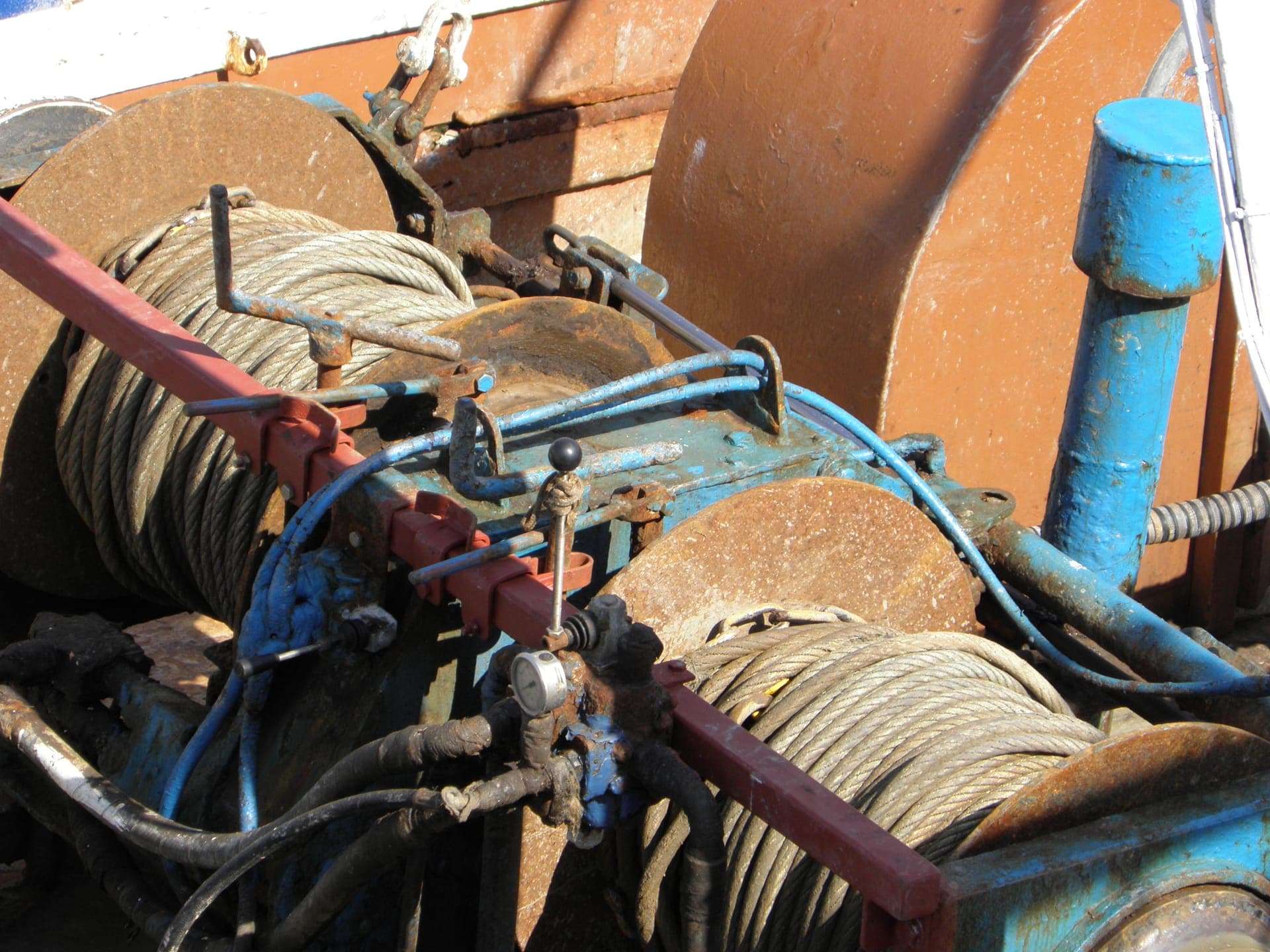
45 min - 1 hourGet to Kilkeel (*Cill Chaoil* — "the narrow church") early. This is Northern Ireland's biggest fishing port, home to more than 100 boats, and the harbour wakes up before the town does. If you arrive between 6:30 and 8:00am, you'll catch the fleet coming in — trawlers unloading crates of prawns, crab, and whatever the Irish Sea offered up overnight. The quayside is a working place, not a tourist attraction, and that's exactly what makes it worth seeing. Fishermen in orange waterproofs sort the catch. Forklifts move pallets to refrigerated vans. Gulls wheel overhead, screaming for scraps. In the 1890s, a third of all herring landed in Ireland came through this harbour. The herring are mostly gone now — overfished by the mid-twentieth century — but Kilkeel adapted. The fleet pivoted to prawns (*Nephrops norvegicus*, Dublin Bay prawns) in the 1960s and 70s, and today those langoustines end up in restaurants across Europe, many of them landed right here before your eyes.
The herring story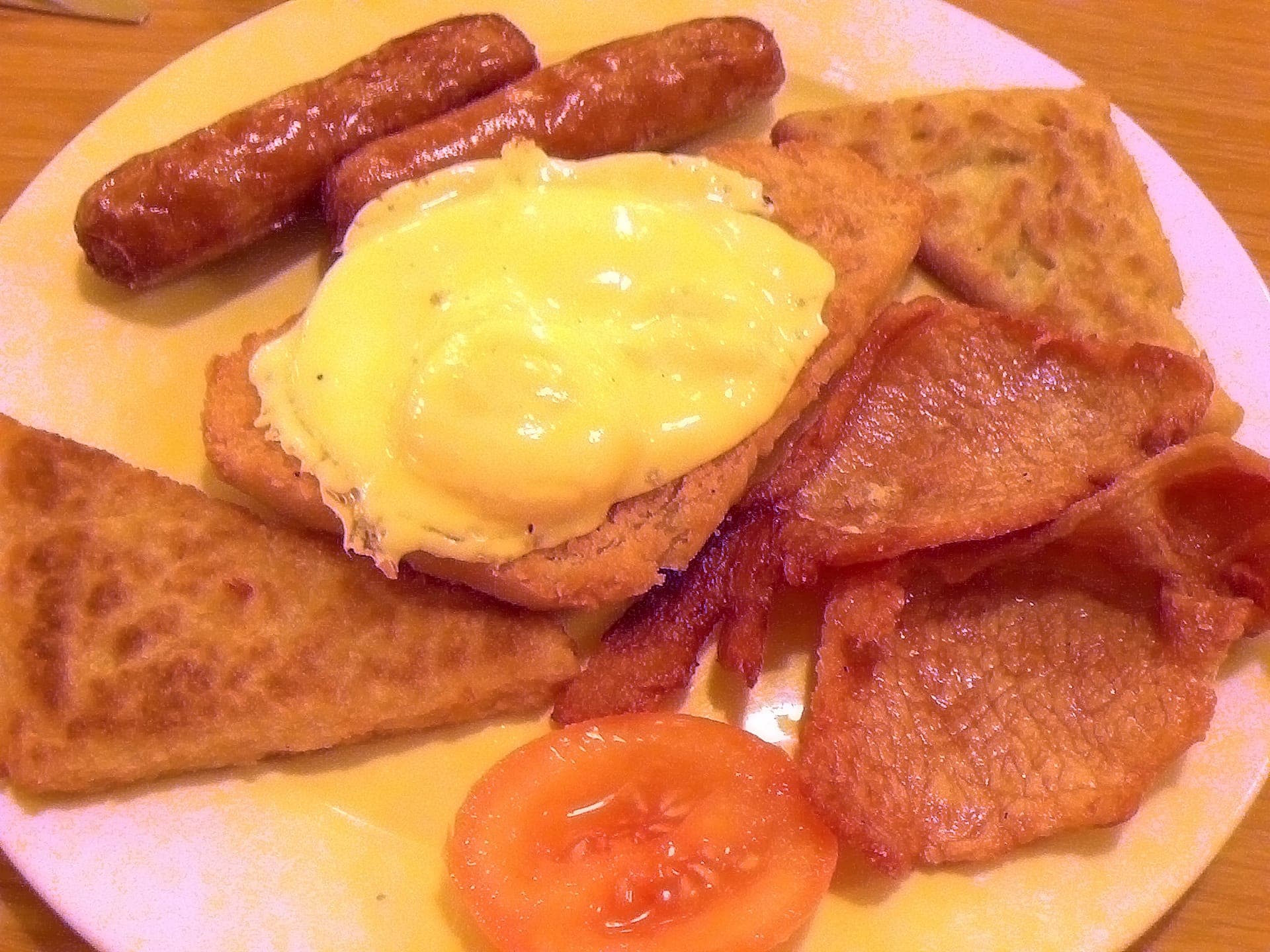
Breakfast in Kilkeel
45 minYou've earned a fry. Walk into the town from the harbour — it's barely five minutes — and find breakfast. The Kilkeel Cafe on Greencastle Street does a solid Ulster fry and good coffee. The Anchor Bar on the main street is another reliable option for a full cooked breakfast. Take your time. The harbour atmosphere follows you into town — this is a place where fishing isn't heritage or nostalgia, it's the morning shift. Ask your server what's in season. In summer it's crab and lobster. In autumn and winter, the prawns are at their fattest. The fishmongers on the harbour road will have whatever came in this morning, and they'll tell you where it was caught.
More about Kilkeel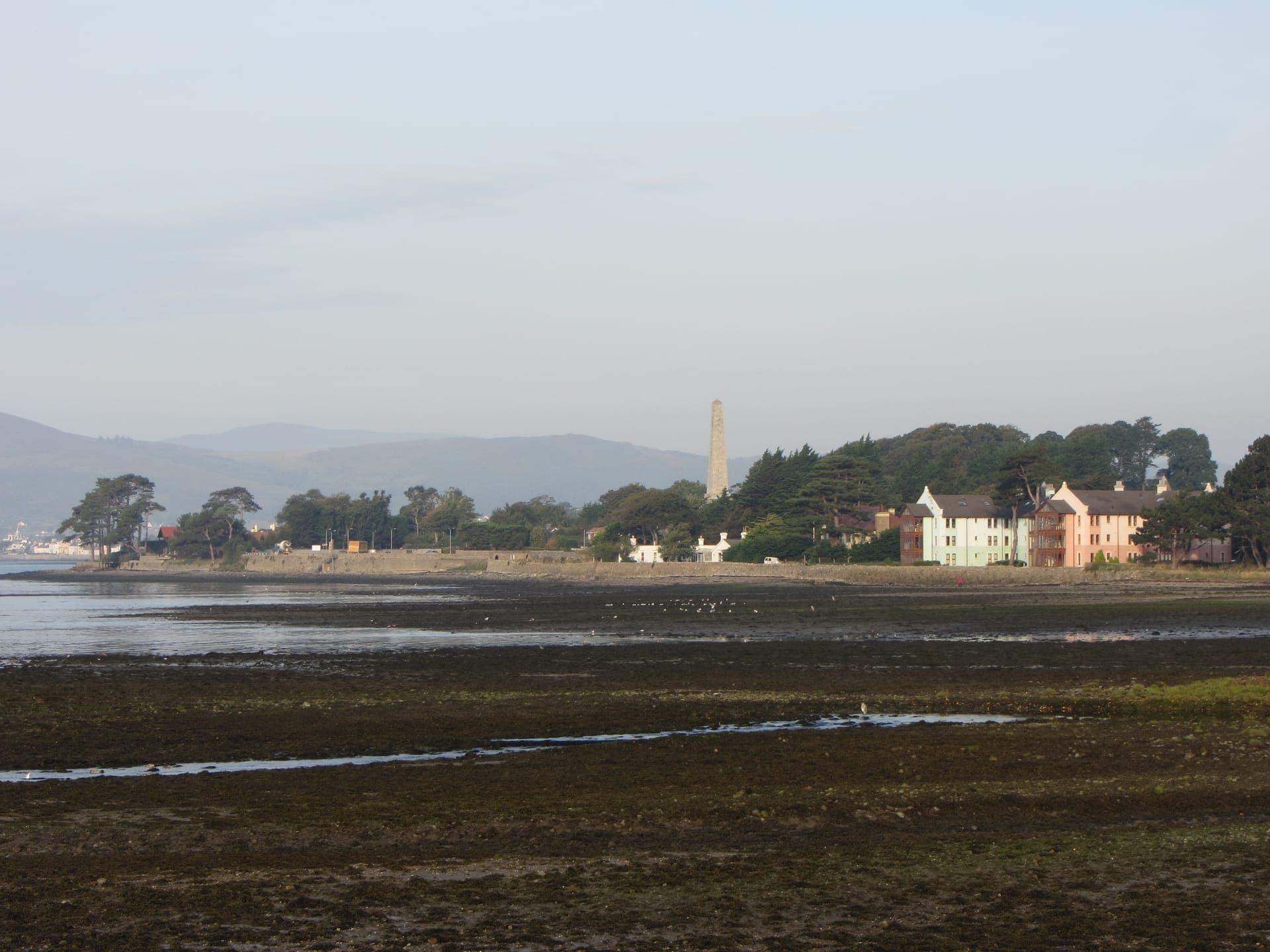
Kilkeel — The Nautilus Centre & Town Walk
30 minBefore you leave Kilkeel, take twenty minutes to walk the harbour loop. The Nautilus Centre, if open, tells the story of the fishing fleet through old photographs, nets, and the kind of local knowledge that doesn't make it into guidebooks. You'll learn about the "farmer-fisherman" tradition — men who worked small mountain farms by day and fished by moonlight, a double life that shaped the entire Mourne coast for centuries. The harbour wall itself is worth the walk. Look south across Carlingford Lough to the Cooley Mountains of County Louth — that's the Republic of Ireland over there, and this narrow stretch of water has been a border, a trading route, and a smuggling highway for a thousand years. The boats tied up beside you might have names in Irish, English, or both.
The farmer who fished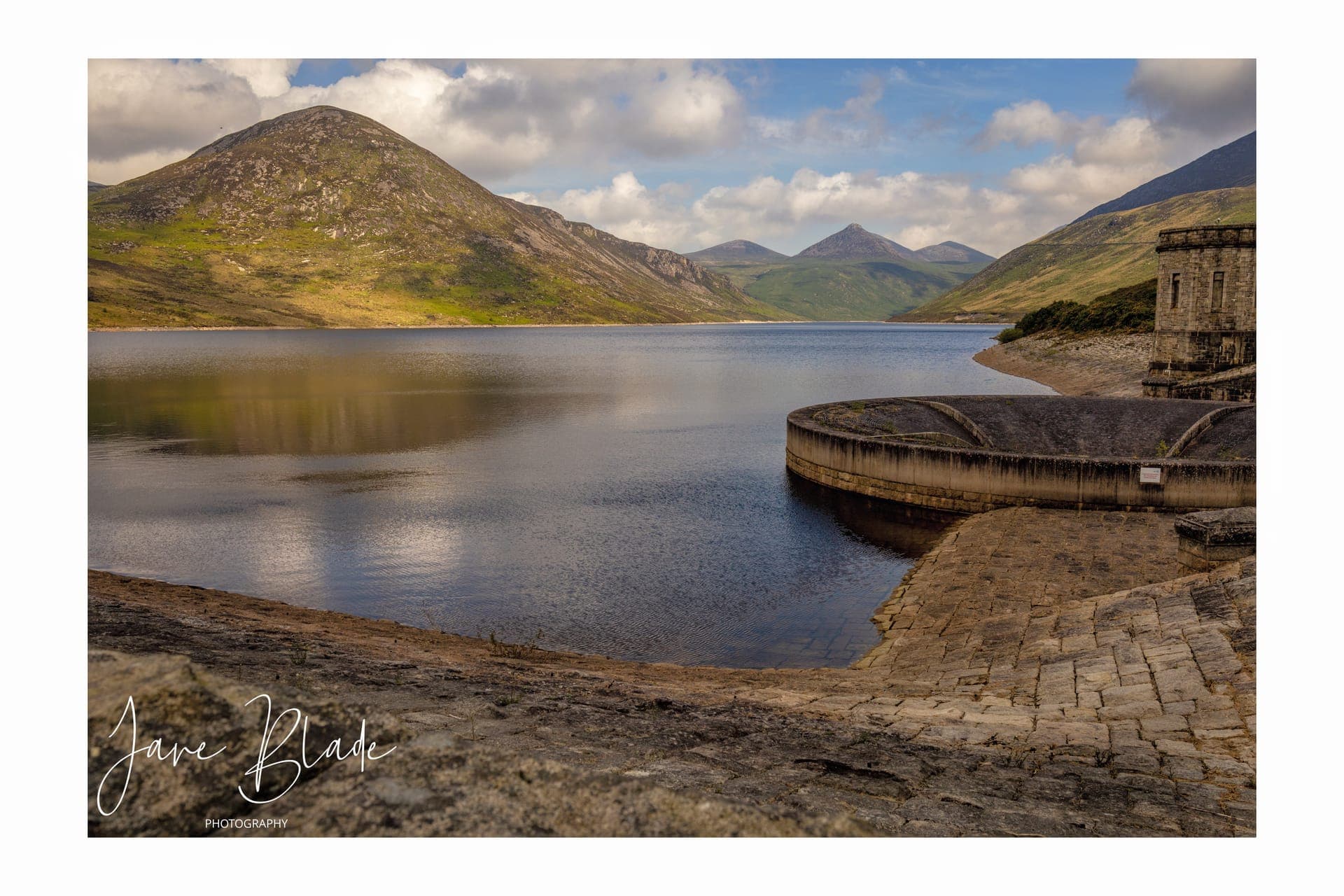
The Coast Road North — Kilkeel to Annalong
15-20 min (with stops)Head north on the A2 towards Annalong. This ten-minute stretch of road is one of the most beautiful short drives in Ireland, and it's the road that will change how you think about the Mournes. On your left, the mountains rise steeply — Slieve Binnian's distinctive tor visible on the skyline, the granite peaks of the High Mournes catching whatever light is going. On your right, the Irish Sea stretches to the horizon. Between the two, you're driving on a narrow strip where the mountains really do sweep down to the sea, exactly as Percy French wrote. Pull over at any layby that catches your eye. The smell of salt and gorse comes through the windows. If you time it right and the tide is out, you'll see rock pools and kelp-covered boulders below the road — habitat for the shore crabs and periwinkles that sustained the coast long before trawler nets.
Annalong Harbour & Cornmill
45 min - 1 hourAnnalong (*Ath na Long* — "ford of the ships") is a different kind of harbour village. Where Kilkeel is all trawlers and industry, Annalong is picture-postcard granite — a tiny harbour tucked between the mountains and the sea, built to export stone, not fish. At the peak of the granite trade, eighteen boatloads of Mourne granite sailed from this harbour every month. That stone paved the streets of Liverpool, built the Albert Memorial plinths in London, and clad the walls of Stormont. The harbour walls themselves are built from the same granite, and they're still standing solid after two centuries. Walk across to the Annalong Cornmill — an early-1800s watermill with a fifteen-foot waterwheel still intact. Three floors of exhibitions cover the milling process, the granite export trade, and the lives of the stone workers who carved the mountains into building blocks. The connection to your seafood day? The same families who cut granite also fished these waters. The harbours served both trades. A boat that carried stone to Liverpool might come back loaded with supplies — or nothing at all, waiting for the herring season to begin.
The granite storyWhat's in Season — A Mourne Coast Primer
Reading stop (5 min)Before lunch, here's what the Mourne coast offers through the year. **Spring** (March-May): the crab pots go out, lobsters start moving, and the first mackerel shoals appear close to shore. **Summer** (June-August): mackerel and pollock are abundant, crab and lobster are at their peak, and the sea bass come inshore. **Autumn** (September-November): this is prawn season — the *Nephrops* are at their fattest and sweetest, and the boats work around the clock. **Winter** (December-February): fewer species close to shore, but the deep-water trawlers bring in cod, haddock, and whiting. The beauty of eating on the Mourne coast is that the menu changes with the sea. What you had for dinner in July won't be the same in November, and that's the whole point. Ask your server what came in this morning. If they don't know, find somewhere that does.
How Kilkeel discovered prawns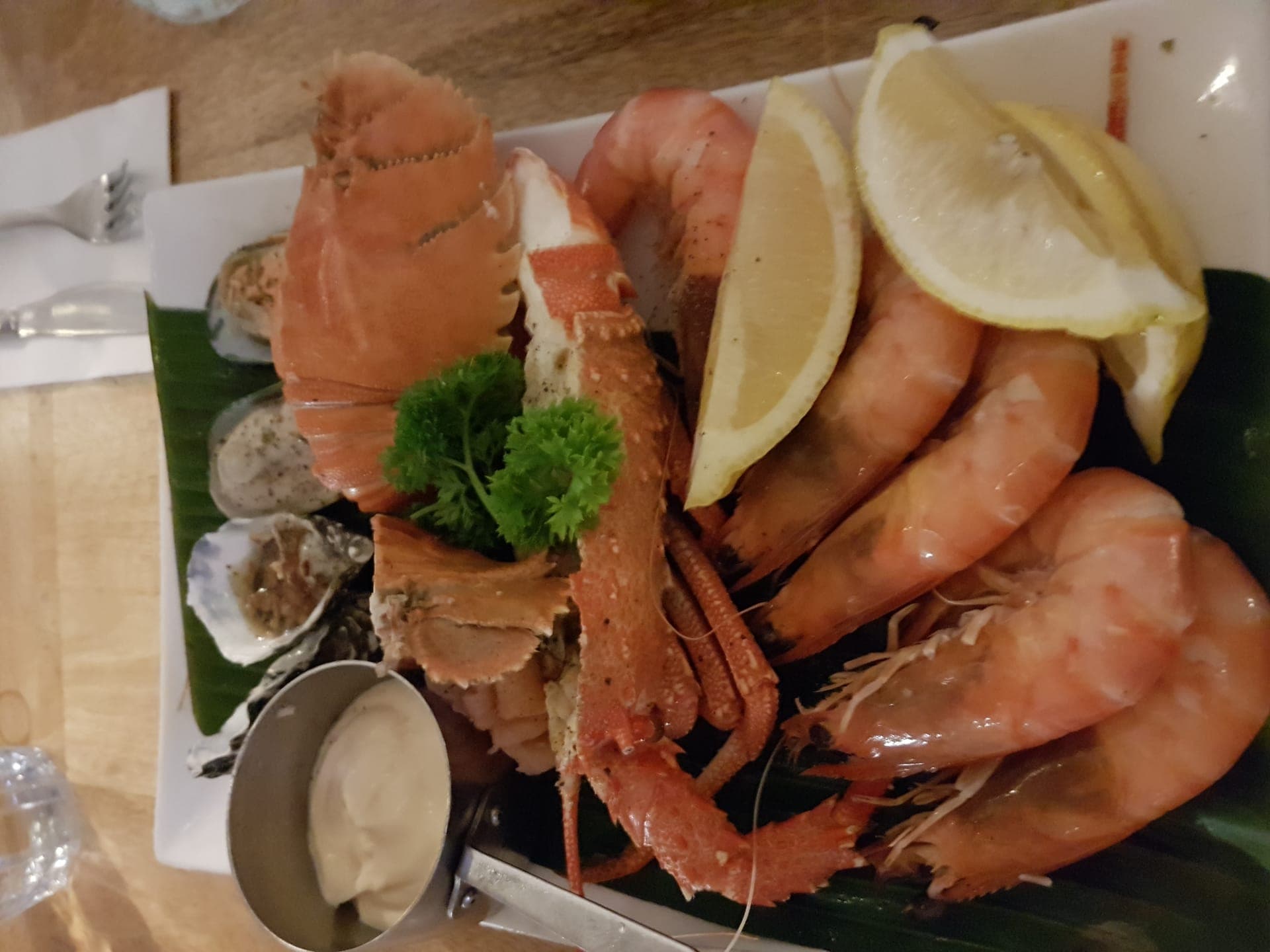
Lunch — Fresh From the Harbour
1 - 1.5 hoursThis is the centrepiece of the day. You've seen where the fish is landed. You've walked the harbours. Now sit down and eat it. Head north from Annalong towards Newcastle — the drive is fifteen minutes of pure coastal beauty — and find a table. Brunel's Restaurant on Downs Road in Newcastle sources fish locally and does it justice — think pan-fried hake, prawn linguine, or whatever the boats brought in. Alternatively, Maud's of Newcastle on the promenade serves excellent chowder and fish specials with views across the beach to Slieve Donard. The key is freshness. The langoustines on your plate were in the Irish Sea twelve hours ago. The crab was in a pot off the Mourne coast this morning. You've stood on the quay where it was landed. That connection between harbour and plate is what this day is about — not fine dining for its own sake, but knowing exactly where your food came from and how it got to you.
Newcastle Seafront & the Promenade
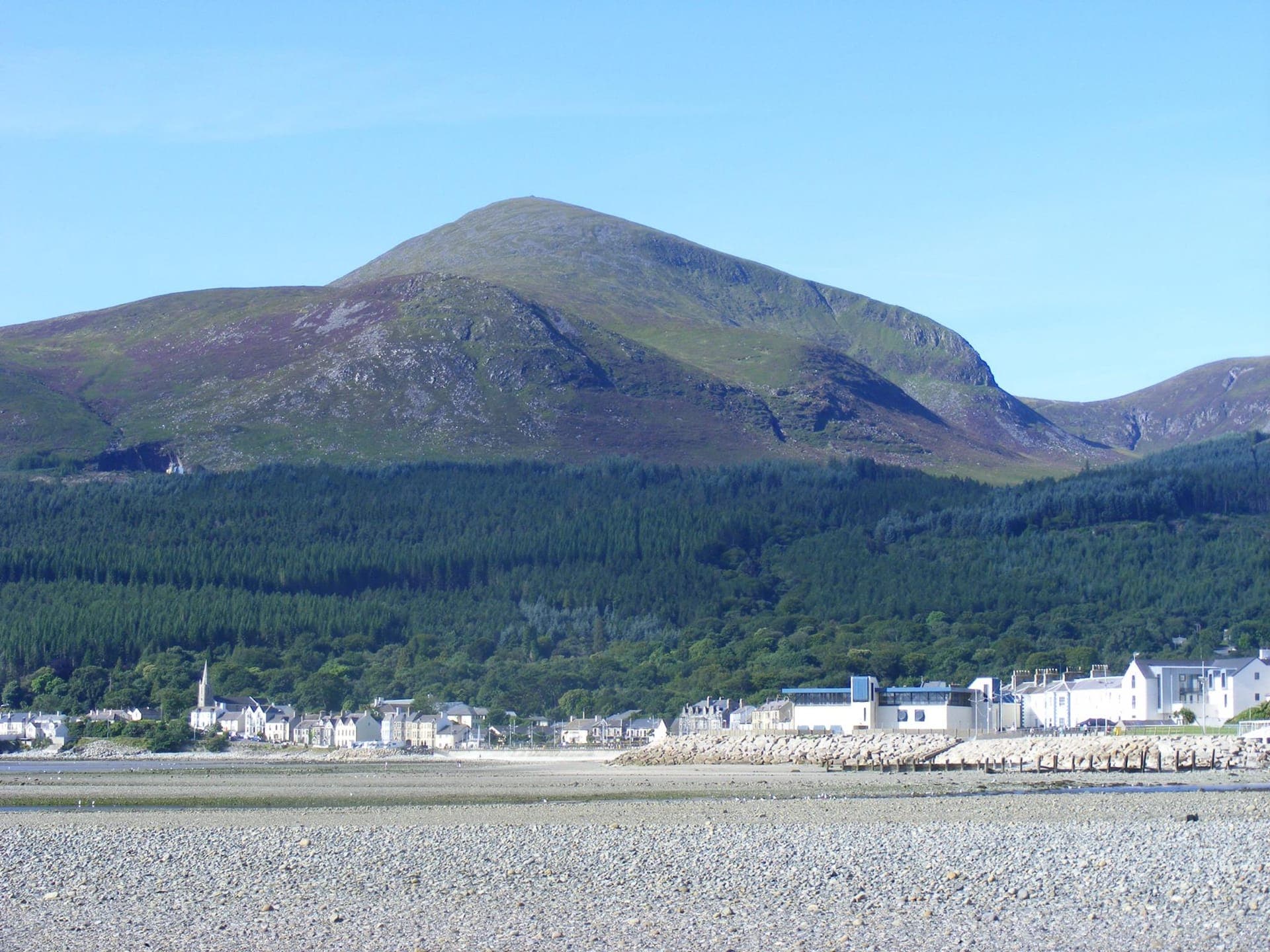
45 min - 1 hourWalk off lunch along Newcastle's golden beach. The promenade stretches for over a mile, with Slieve Donard (*Sliabh Donard*) — the highest peak in Northern Ireland at 850 metres — rising directly behind the town like a wall. The juxtaposition is extraordinary: seaside resort in front, proper mountain wilderness behind. Turn right at the end of the prom and you're at the entrance to Donard Park, where the Shimna River flows down through ancient woodland to the sea. A fifteen-minute walk up the glen gives you a taste of the mountain landscape without any serious climbing. Look for the stone bridge and the old ice house tucked into the hillside — a relic from the days when ice was harvested from the mountains and stored here to preserve fish and game for the estates below.
Explore NewcastleThe Fisherman's Life — Past and Present
30-45 minIf you want to go deeper into the fishing heritage, Newcastle is a good base for it. The Mourne Heritage Trust runs occasional talks and guided walks on the area's maritime history. The story of the Mourne coast fisherman is inseparable from the landscape you've been driving through all day. These were men — and it was overwhelmingly men — who lived between two worlds. In the morning they worked small, steep farms carved from the mountainside. In the evening they launched boats from the very harbours you visited this morning. The herring season dictated everything: when you ate, when you slept, when you mended nets by lamplight. The transition to prawns in the 1960s and 70s changed the rhythm but not the commitment. Today's Kilkeel fishermen still work punishing hours, heading out at night and returning before dawn, the same pattern their grandfathers followed.
Seafood trail guide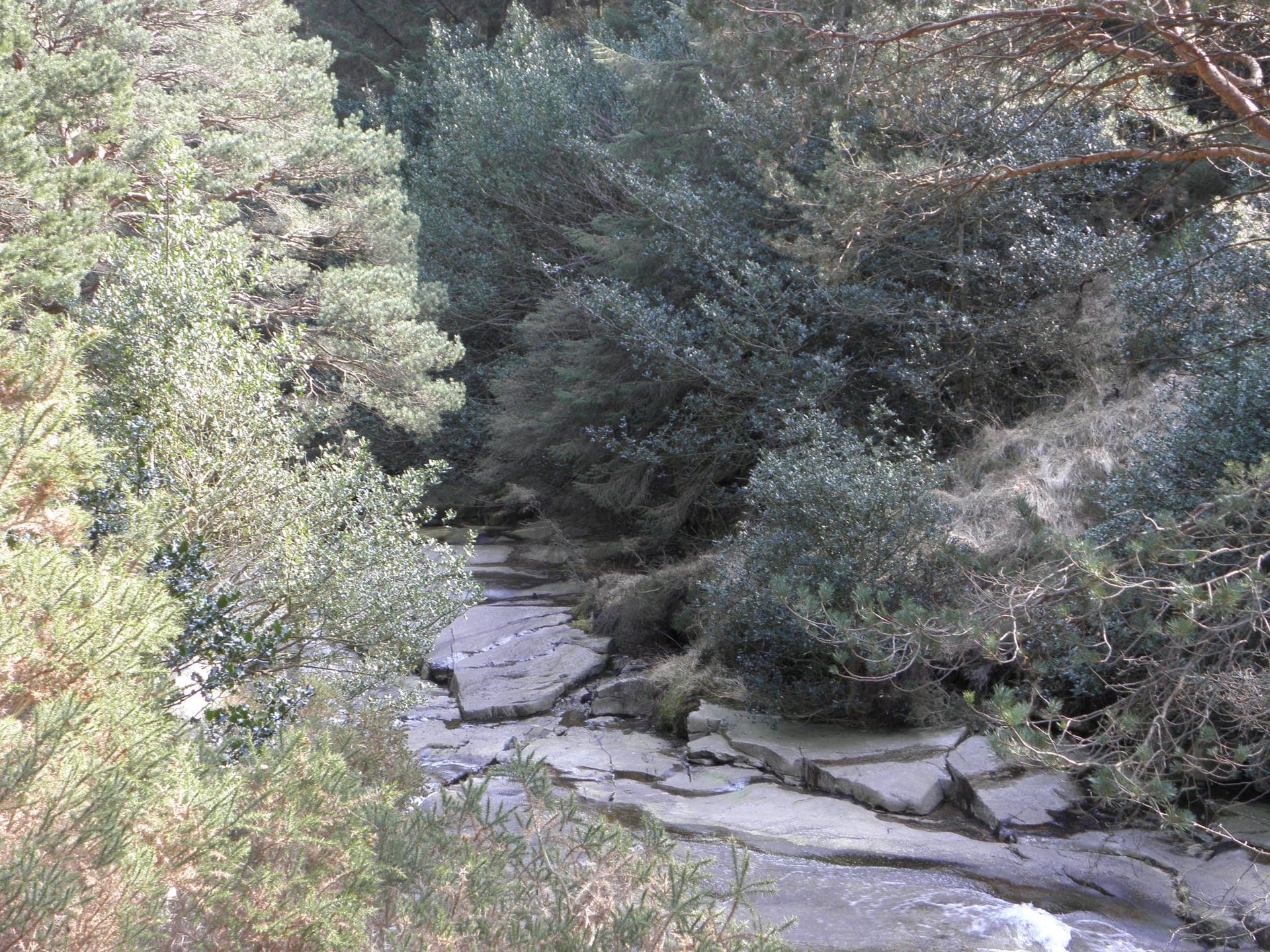
Optional: Tollymore or Donard Park
1-2 hoursIf the weather's kind and you have energy, use the late afternoon for a short forest walk. Tollymore Forest Park is ten minutes north of Newcastle and it's stunning — ancient woodland, the Shimna River, and Game of Thrones filming locations (this is the Haunted Forest, though the trees are far more beautiful than they are on screen). Alternatively, walk up through Donard Park along the Glen River path. The first mile is easy underfoot, following the river through mature trees with the mountain looming ahead. Either way, you're giving your legs something to do and your eyes something extraordinary to look at. Both walks can be done in under an hour if you turn back at the bridge.
Forest parks guideDinner — The Day's Catch, One Last Time
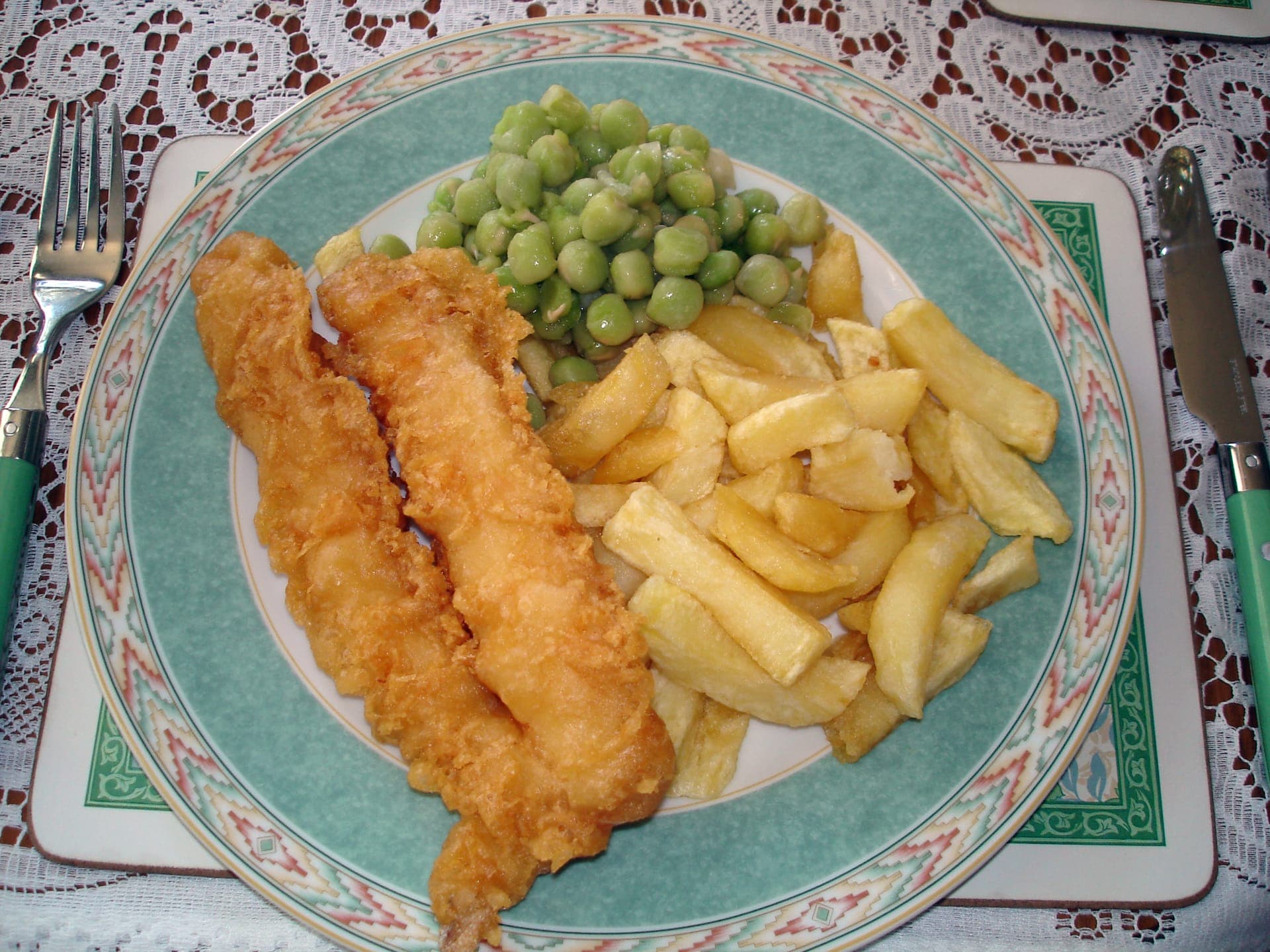
1.5-2 hoursEnd the day the way it began: with fish. But this time, sit down properly. The Percy French in Newcastle — named after the songwriter — does a good evening menu with locally sourced seafood. Or try Villa Vinci on the Shimna Road for something with an Italian twist on the day's catch — think whole baked sea bass or prawns in garlic butter. For something more casual, Niki's Kitchen Cafe on Main Street does generous portions of fish and chips that would stand up against anywhere on the coast. Whatever you choose, order the fish. You've spent the day tracing the journey from harbour to plate. The prawns on your plate tonight were in the Irish Sea this morning, landed at the harbour you stood on at 7am, and prepared by someone who knows the skipper by name. That's the Mourne coast. The supply chain is a fifteen-minute drive.
Restaurant guideInsider Tips
Start early at Kilkeel harbour. The fleet usually comes in between 6:30 and 8:00am. By 9:00am, the quayside is quiet and you'll have missed the main event.
Ask what's in season. The Mourne coast menu changes through the year — prawns are best in autumn, crab and lobster peak in summer, and mackerel run from June to September.
The harbours are working places. Photograph freely but stay out of the way of forklifts and crew. A nod and a "good morning" goes a long way with fishermen.
This itinerary works year-round. Winter brings different species and dramatic sea conditions. The harbours are even more atmospheric with grey skies and spray.
Don't fill up at breakfast. Save room for a proper seafood lunch — this is the centrepiece of the day, not an afterthought.
Annalong Cornmill is open April to September. Outside those months, the harbour and village are still worth the stop — the granite walls are the real attraction.
More Itineraries
Explore more ready-made trip plans for the Mourne region
Stories Along This Route
Discover the tales woven into the places you'll visit.
Ready to Taste the Mourne Coast?
Get practical information on getting here, where to stay, and everything you need to make this seafood day happen.
Plan Your Trip