The History Lover's Weekend
5,000 Years of History in Two Days of Driving
Duration
2 Days
Theme
Heritage
Transport
Driving
Best Season
Year-Round
Base
Dundrum & Downpatrick
The Drive at a Glance
The Mourne region packs more history per square mile than almost anywhere else on the island of Ireland. Neolithic portal tombs older than the pyramids. Early Christian cashels with underground escape tunnels. Norman castles that changed hands a dozen times. The grave of Ireland's patron saint. Tudor tower houses guarding ancient waterways. This weekend links the best of them into two days of driving, walking, and standing in places where the past is not behind glass but underfoot, overhead, and all around you. Day one takes the inland route through dolmens and cashels. Day two follows the pilgrimage trail to Saint Patrick's grave, then south along Carlingford Lough through the castle country.
Who It's For
History lovers, archaeology buffs, pilgrimage walkers, photographers, and anyone who prefers ruins to theme parks.
What It Covers
2 castles, 2 dolmens, 1 cashel, 1 saint's grave, holy wells, a tower house, and 5,000 years of continuous history
What to Bring
Sturdy shoes, a camera, a torch for the souterrain, rain jacket, and a willingness to climb over stiles
“The past is never dead. It's not even past.”
William Faulkner
Day 1
Dundrum to Downpatrick
Norman castles, Neolithic dolmens, and an early Christian cashel — the inland heritage trail through the Mourne foothills.

Breakfast in Dundrum
45 min - 1 hourStart the weekend in the shadow of a Norman castle. Dundrum village sits at the head of the bay with the mountains rising to the south. Grab a table at The Buck's Head Inn for a full Ulster fry, or try Maud's of Dundrum for something lighter with good coffee. Look up from your plate — the castle on the hill has been watching this bay since 1177.
Dundrum Castle
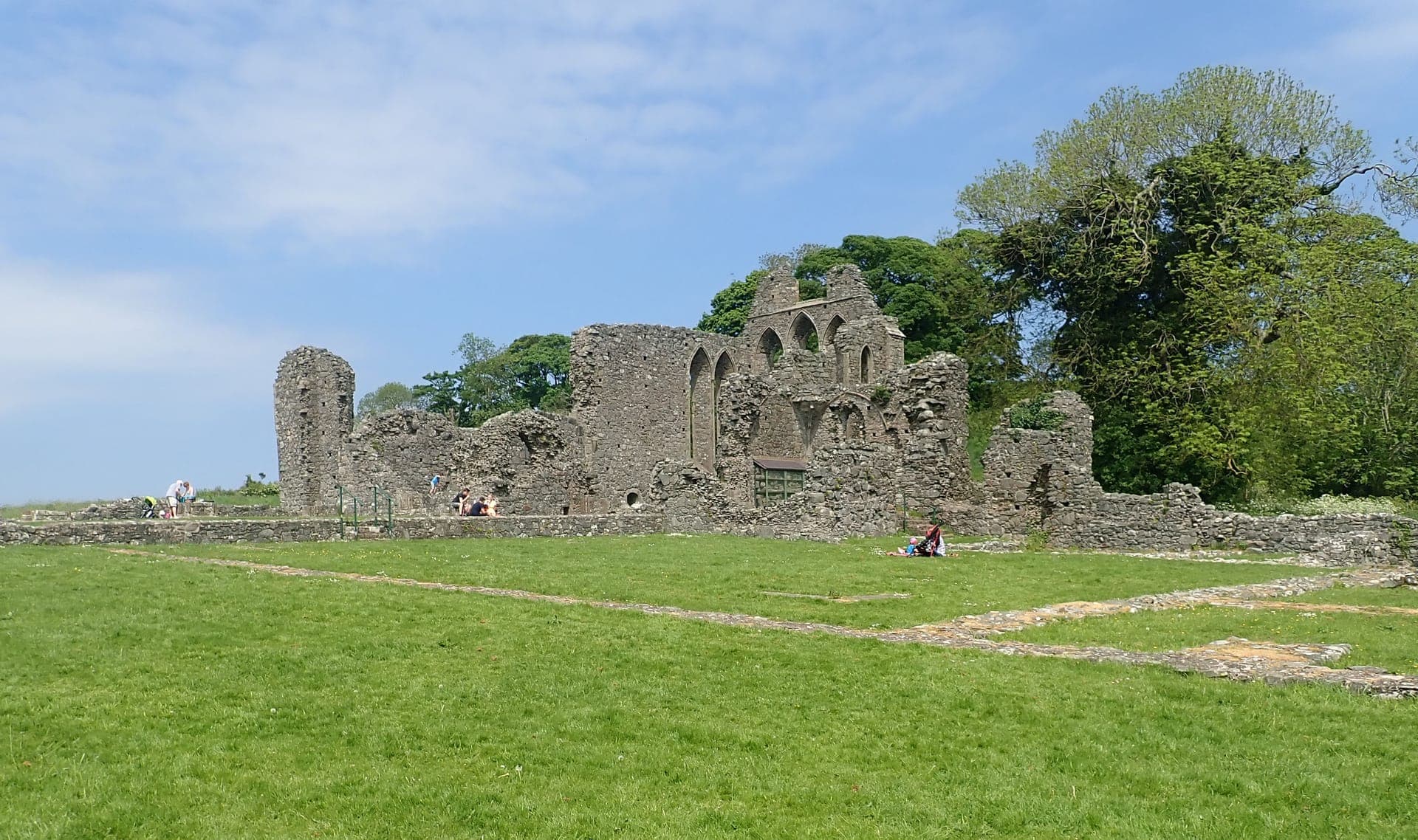
45 min - 1 hourWalk up the hill behind the village to one of the finest Norman castles in Ireland. John de Courcy built the first fortification here around 1177 after his invasion of Ulster. The great circular keep was added in the 1230s and still dominates the skyline. From the upper walls, you can see the full sweep of Dundrum Bay, the Mourne Mountains, and on a clear day, the Isle of Man. The Maginnises held it, the Cromwellians slighted it, and the Blundells built a house inside the walls. Eight hundred years of history in one hilltop. Free entry, open site.
Explore Dundrum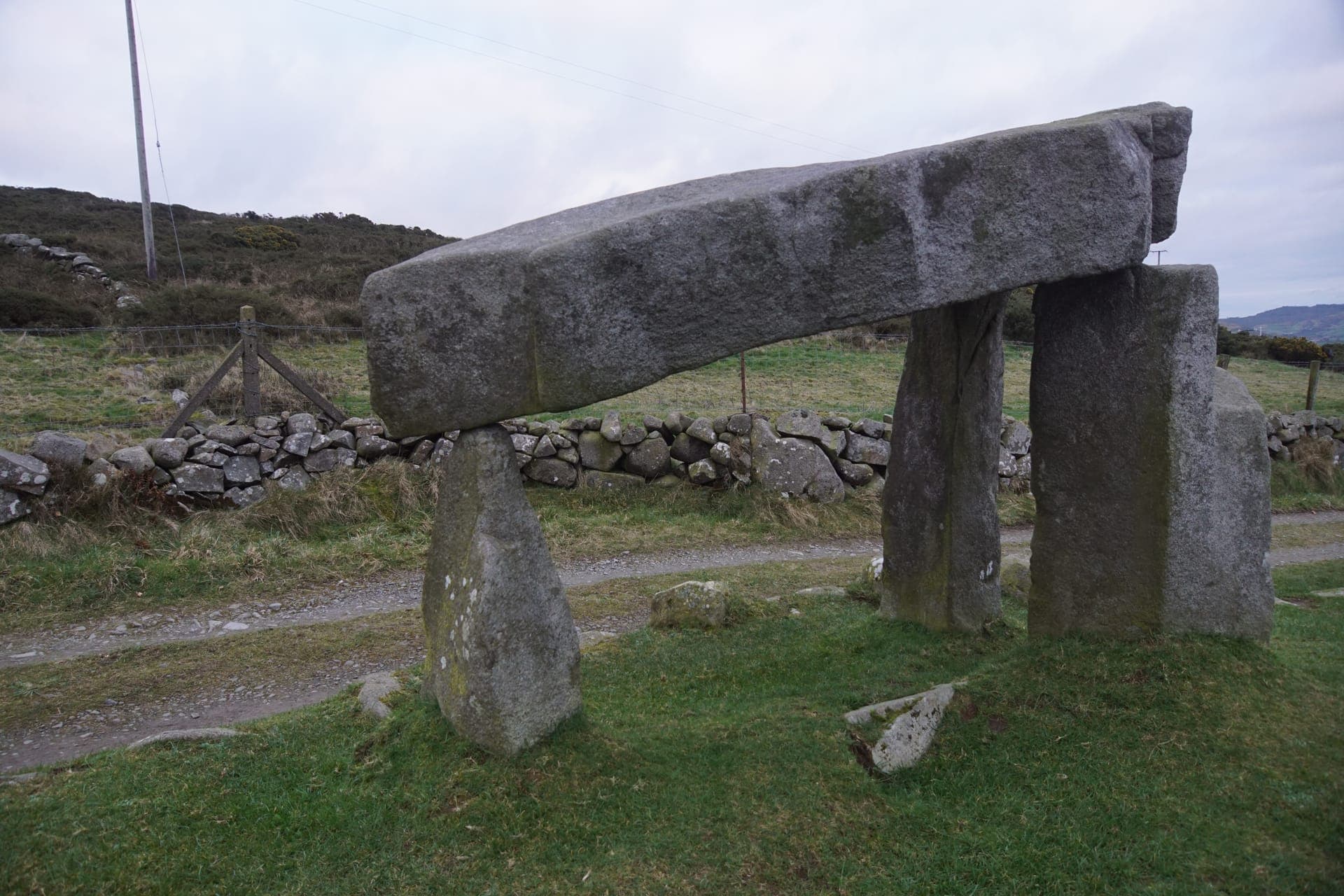
Legananny Dolmen
30-45 minDrive south into the foothills of the Mournes to find one of the most photographed ancient monuments in Ireland. Legananny Dolmen (*Liag an Eannaigh*) is a Neolithic portal tomb dating to around 3000 BC — a massive capstone balanced impossibly on three thin upright legs, like a stone table left by giants. It sits in open farmland with Slieve Croob behind it and the full Mourne range spread across the southern horizon. There is nothing else here. No visitor centre, no gift shop, no audioguide. Just a 5,000-year-old stone monument in a field, and silence. That is the point.
The dolmen storyLunch in Castlewellan
1 hourDrop into the market town of Castlewellan for lunch. The main square has been a gathering point since the town was planned in the 1750s. Try a cafe on the square for hearty soup and sandwiches, or head to a country house restaurant for a more substantial sit-down meal. If the weather is kind, pick up something to go and eat in the Forest Park — you can see the Annesley Garden and the lake from the picnic area.
More about CastlewellanDrumena Cashel & Souterrain
30-45 minA few miles south of Castlewellan, tucked into the drumlin countryside, sits Drumena Cashel (*Druim Eanaigh*) — an early Christian stone fort dating to roughly the 6th to 8th century. The oval stone walls still stand to nearly head height, enclosing the remains of a house and a T-shaped souterrain, an underground passage used for storage or refuge. You can still crawl into it. The cashel sits on a low rise with views across the drumlins to the mountains. This is the kind of monument that rewards the curious — no crowds, no signs, just a stone enclosure that someone built 1,400 years ago to keep their family safe. Free access, always open.
The cashel story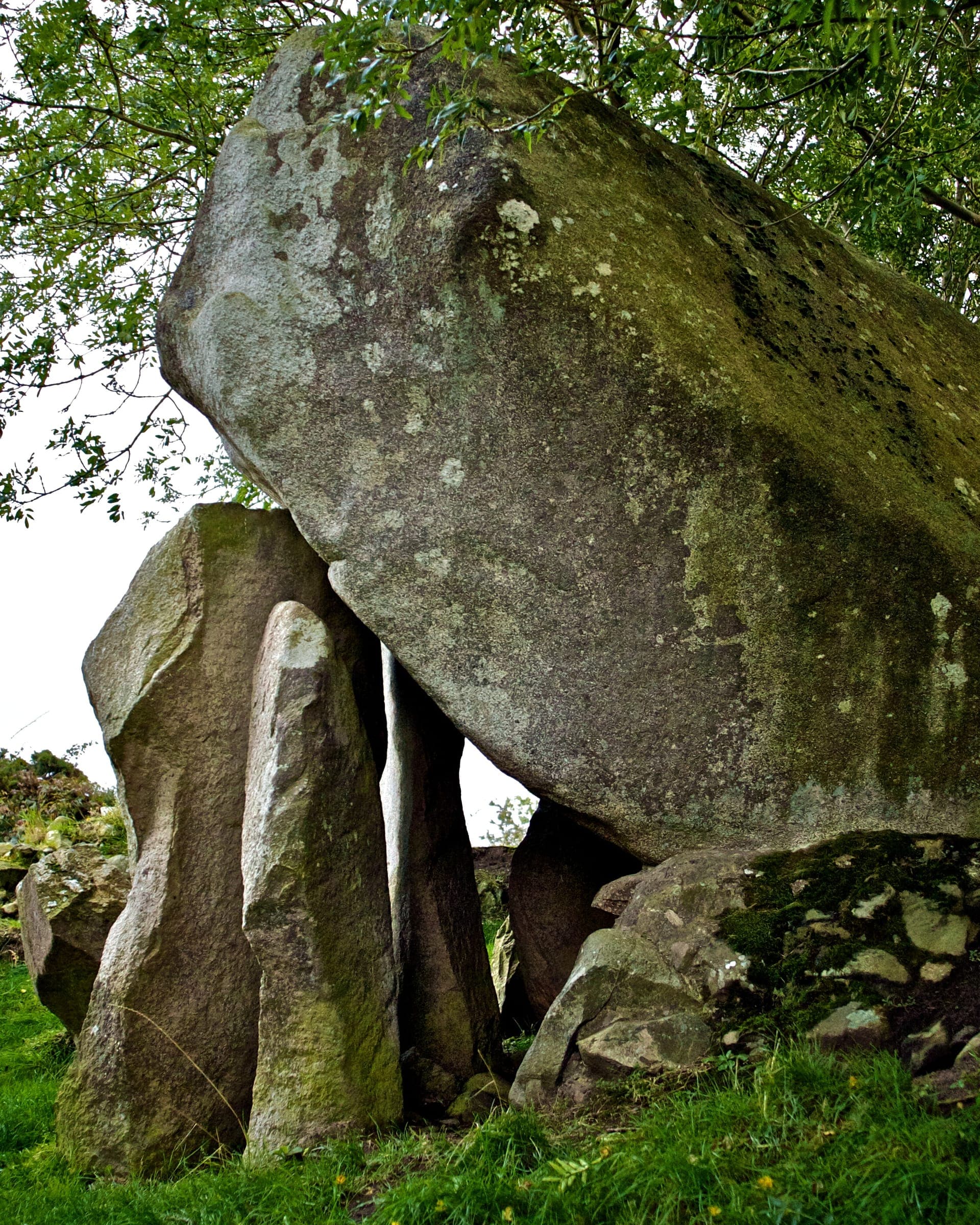
Goward Dolmen — Detour Worth Taking
30-45 minIf the afternoon is long and the light is good, make the short detour to Goward Dolmen near Hilltown. Known locally as "Pat Kearney's Big Stone," this is a massive Neolithic portal tomb hidden in woodland — older than the pyramids, swallowed by trees. The capstone weighs an estimated 50 tonnes. Standing underneath it, looking up at the engineering of people who had no metal tools, recalibrates your sense of what's possible. It is a ten-minute walk from the road through farmland and trees.
The dolmen story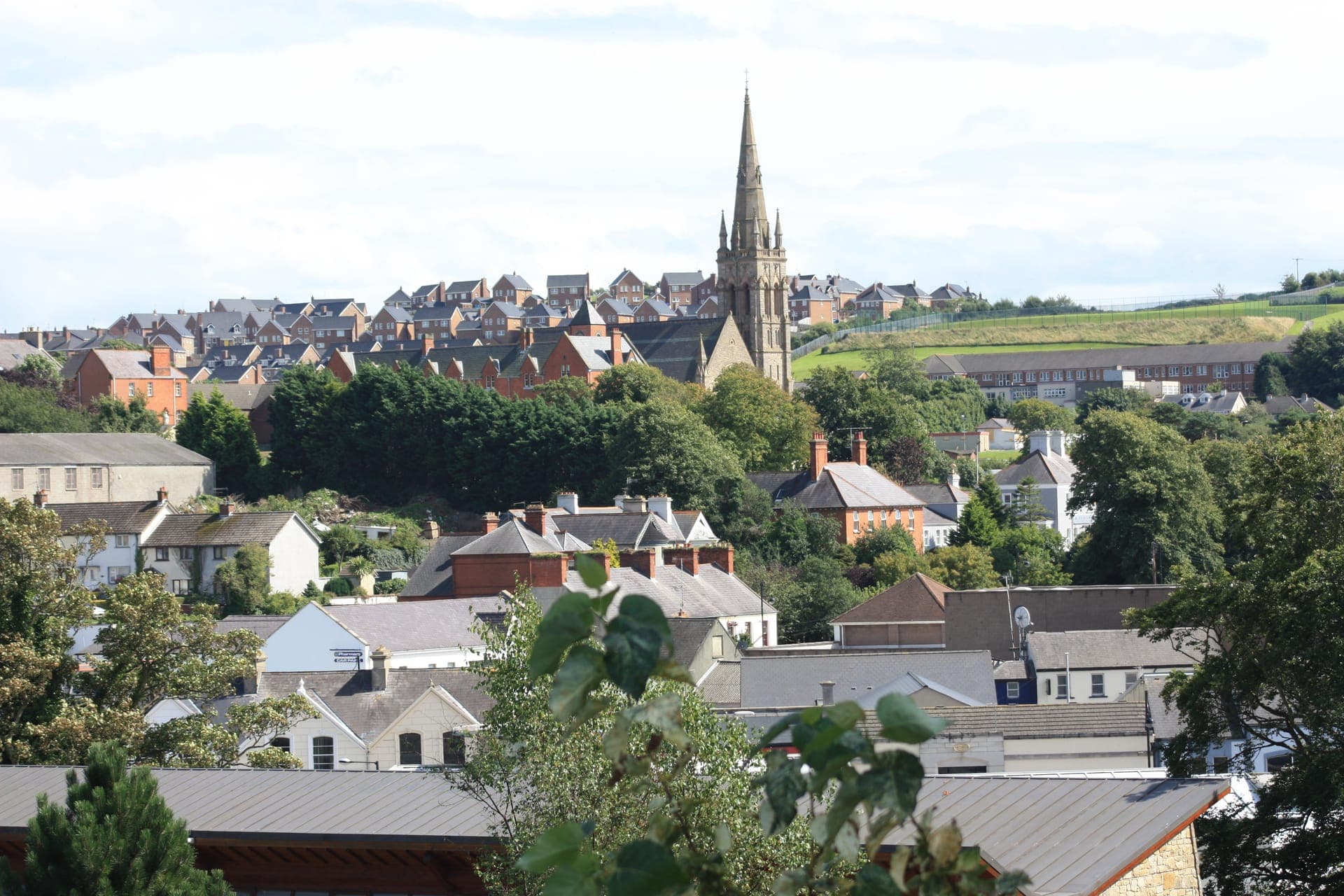
Arrive in Downpatrick
1 hourDrive to Downpatrick (*Dun Padraig* — Patrick's fort) and check in to your accommodation. This town has been a centre of power and pilgrimage for over 1,500 years. The cathedral sits on the hill where Saint Patrick allegedly built his first stone church after returning to Ireland around AD 432. Walk the town in the evening light — the cathedral, the English Street, the Mound of Down (an enormous Norman motte). Feel the layers of history underfoot. Every century has left a mark here.
Explore DownpatrickDinner in Downpatrick
1.5-2 hoursDownpatrick has a handful of good restaurants for an evening meal. Try Denvir's Coaching Inn on English Street — one of the oldest surviving coaching inns in Ireland, dating to 1642, with a bar and restaurant in the original building. Or try the Daily Grind for a more modern bistro meal. For pub food in an atmospheric setting, Brennan's Bar on St Patrick's Avenue is a local favourite. Whichever you choose, you are eating in a town that has been feeding pilgrims and travellers for longer than most cities have existed.
More restaurantsDay 2
Downpatrick to Carlingford Lough
Saint Patrick's grave, ancient holy wells, and a chain of castles guarding the lough — the pilgrimage and castle trail along the coast.
Breakfast in Downpatrick
45 minStart the second day with breakfast in town. The Deli on the Hill does good coffee and pastries if you want something quick, or head back to Denvir's for a full cooked breakfast in a building older than most countries. You have a morning of pilgrimage sites and a long afternoon of castles ahead.
Saint Patrick's Grave & Down Cathedral
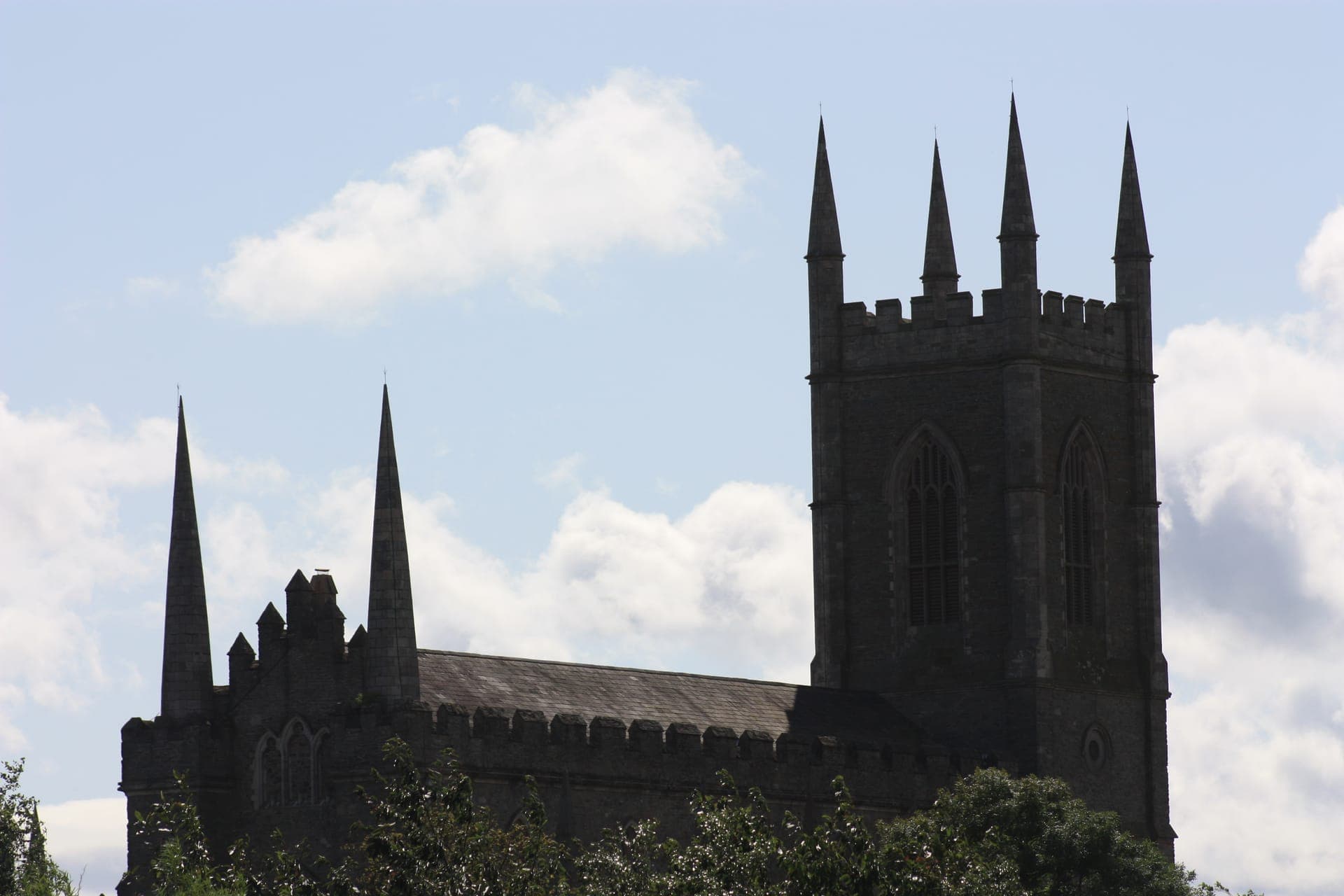
45 min - 1 hourWalk up Cathedral Hill to Down Cathedral, the traditional burial place of Saint Patrick. The present Church of Ireland cathedral dates from the late 18th century but sits on a site that has been sacred since at least the 5th century. Outside, in the cathedral graveyard, a granite slab simply inscribed "PATRIC" marks the traditional grave. Whether Patrick is truly buried here is debated — Armagh also claims him — but this is the place that has drawn pilgrims for over a thousand years. Stand at the grave and look south towards the Mountains of Mourne. Patrick knew this view. Inside the cathedral, look for the 9th-century High Cross fragment and the exhibition on the site's history.
Patrick's story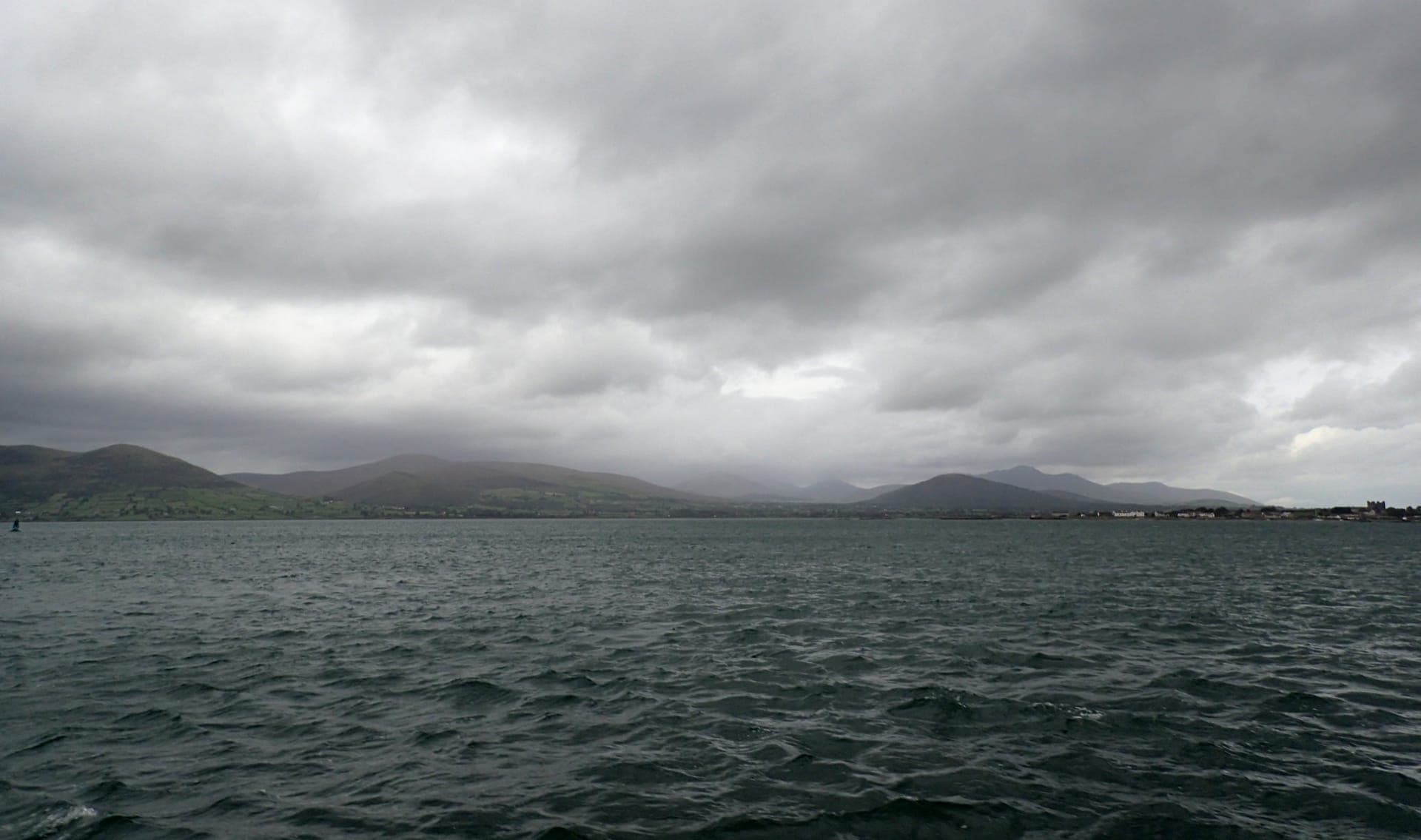
Struell Wells
30-45 minDrive two miles east of Downpatrick to Struell Wells (*Sruthail* — "the stream"), a complex of holy wells hidden in a steep valley. Tradition says Patrick prayed here, standing naked in the cold water through the night. The site has four distinct features: the Drinking Well, the Eye Well (believed to cure eye ailments), and two stone bath houses with corbelled roofs — one for men, one for women. The ruins you see today date to the 17th and 18th centuries, but the pilgrimage tradition here is medieval and possibly much older. People still come to take the water. It is an extraordinary place — eerie, intimate, tucked away in a fold of ground you would never find unless you knew to look. Free access.
The wells storyLunch in Downpatrick or on the Road
1 hourBefore heading south to the castles, grab lunch. The Steamboat on Market Street does good pub lunches in a friendly atmosphere. Or Harry Afrika's is a Downpatrick institution — eclectic decor, reliable food, and a name that has puzzled newcomers for decades. If you would rather eat on the move, pick up sandwiches from The Deli on the Hill and eat them at Greencastle with the lough spread out before you.
More restaurantsGreencastle Royal Castle
30-45 minDrive south along the coast of Carlingford Lough to Greencastle, where a 13th-century royal castle guards the lough entrance. Hugh de Lacy built it around 1230, and it changed hands repeatedly — Anglo-Norman, Gaelic Irish, English Crown, and back again. Four storeys of the keep still stand. Edward Bruce attacked it in 1316 during his campaign through Ulster. From the castle walls, look directly across the water to Carlingford Castle on the Republic side — two medieval fortresses that have been staring each other down for nearly 800 years. The site is free and open, and you will likely have it to yourself.
The castle storyCarlingford Lough Shore Drive
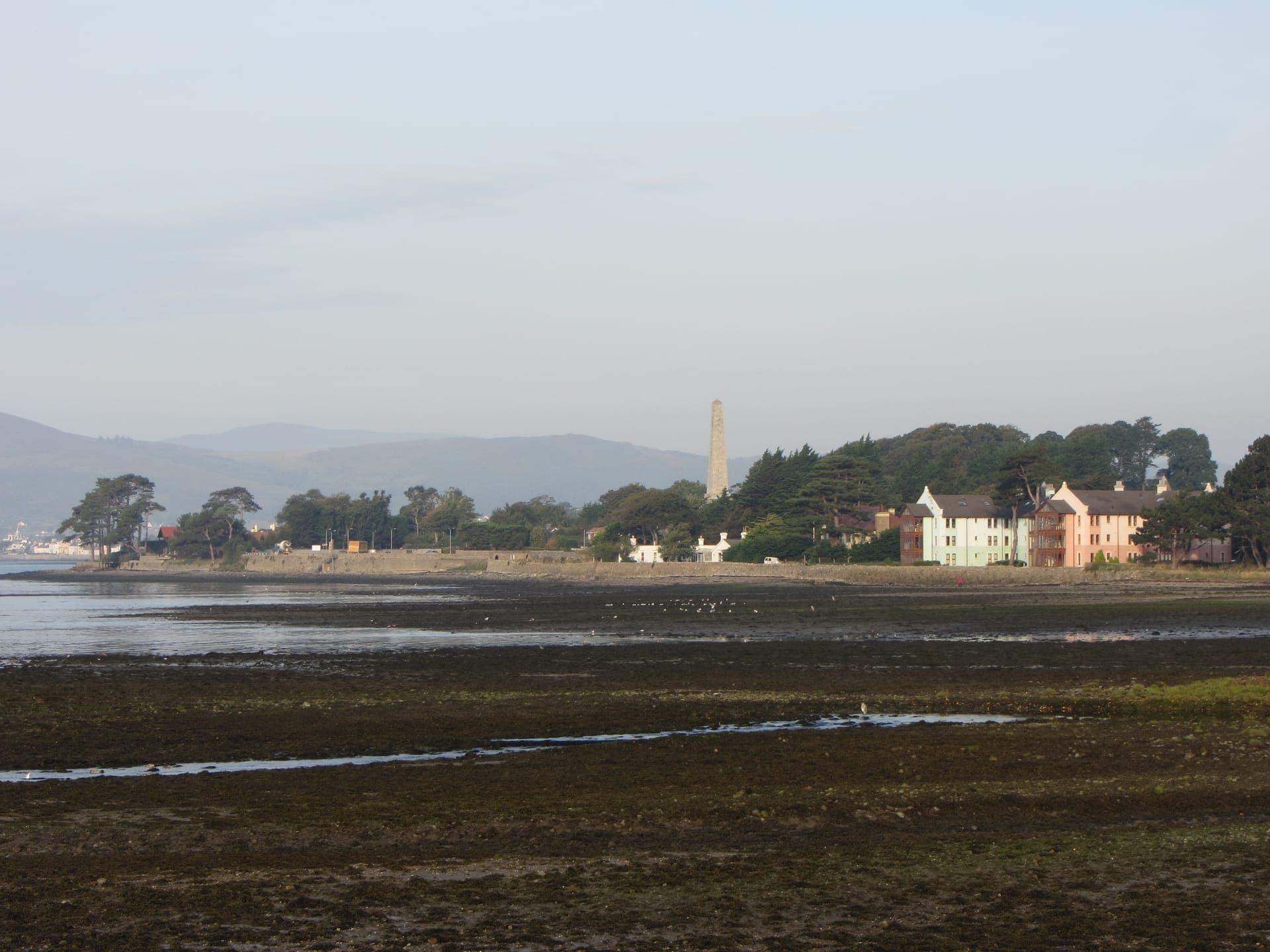
20-30 minThe road from Greencastle to Narrow Water follows the northern shore of Carlingford Lough with the Cooley Mountains of County Louth across the water. This is border country — the lough is the frontier between Northern Ireland and the Republic, and has been a contested boundary for centuries. The scenery shifts from rugged coast to wooded shoreline. Every headland and inlet has a story. Drive slowly, pull over where the views demand it, and notice how the light changes on the water as the afternoon deepens.
Narrow Water Castle
30-45 minJust north of Warrenpoint, where the Newry River meets Carlingford Lough, stands Narrow Water Castle — a Tudor tower house built around 1560 to control the narrowest crossing point of the river. The three-storey tower is remarkably well preserved, with a bawn (defensive enclosure) wall still intact. The setting is the real prize: the castle sits on the water's edge with the Mournes rising behind it and the lough stretching south. It is one of the most photographed castles in the region, and for good reason. The castle is managed by the Department for Communities and is open for exterior visits. Check locally for interior access.
Heritage & historyReflect in Warrenpoint or Rostrevor
1 hourEnd the weekend in Warrenpoint or Rostrevor, both a short drive from Narrow Water. Walk the Warrenpoint promenade, or cross to Rostrevor and sit in the square watching the light fade over the lough. Two days, 5,000 years. You have touched Neolithic stone, crawled through a souterrain, stood at the grave of a saint, and walked the walls of castles that guarded kingdoms. The Mourne region packs more history per square mile than anywhere else on the island. Most of it is free, most of it is quiet, and almost none of it is behind glass.
Explore WarrenpointDinner in Warrenpoint or Rostrevor
1.5-2 hoursClose out the weekend with a proper dinner. In Warrenpoint, try the Whistledown Hotel restaurant for a refined meal with lough views, or Bennett's Bar & Restaurant on Church Street for hearty portions in a lively setting. In Rostrevor, The Kilbroney Bar does dependable pub food overlooking the lough, or The Corner House is a friendly local choice. You have earned a slow meal and a quiet pint. The history will still be there in the morning.
More restaurantsInsider Tips
Day 1 covers the inland heritage sites — Dundrum, Legananny, Drumena. Day 2 follows the coast. This split keeps the driving logical and the days balanced.
Wear sturdy shoes. Legananny Dolmen, Goward Dolmen, and Struell Wells all involve short walks across fields or uneven ground.
Legananny Dolmen is best photographed in the morning when the sun is behind you and the Mournes fill the background. Greencastle is best in afternoon light.
The Down County Museum in Downpatrick (free entry) is an excellent rainy-day alternative if the weather turns. It covers the full history of the region from the Stone Age to the Troubles.
Drumena Cashel and Legananny Dolmen have no facilities — no toilets, no cafe, no shelter. Plan your stops accordingly.
All the heritage sites on this route are free and open year-round, but daylight hours matter. In winter, start early to fit everything in before dusk.
More Itineraries
Explore more ready-made trip plans for the Mourne region
Stories Along This Route
Discover the tales woven into the places you'll visit.
Ready to Walk Through 5,000 Years?
Get practical information on getting here, where to stay, and everything you need to make this weekend happen.
Plan Your Trip