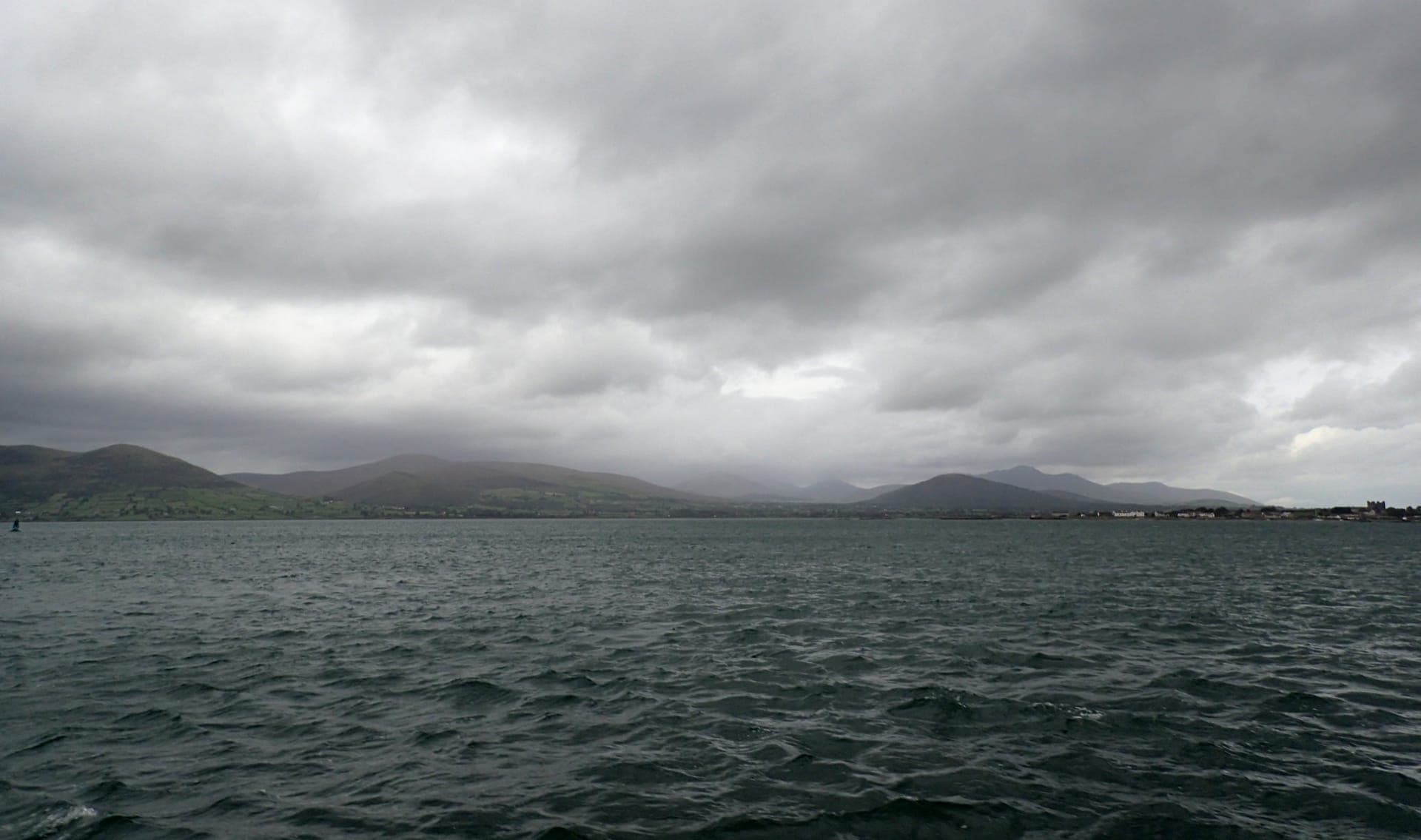
A Week of Hidden Mournes
Ice houses, ancient stones, remote loughs, and forgotten coast — for those who've done the obvious stuff
Duration
5 Days
Theme
Hidden Gems
Transport
Car + Hiking
Best Season
May - October
Base
Newcastle or Kilkeel
The Trip at a Glance
Most visitors to the Mournes do the same loop: Tollymore Forest, Slieve Donard summit, fish and chips in Newcastle, Carrick-a-Rede on the way home. Fair enough — those are all brilliant. But this itinerary is for people who've done all that and want to see what's behind the postcard. Five days through ice houses built into hillsides, Neolithic dolmens in unmarked fields, the most remote mountain loughs in Ulster, Victorian engineering tunnels beneath the peaks, holy wells where pilgrims gathered at midnight, and beaches that barely appear on any map. You won't see a single tour bus. You might not see another person.
Who It's For
Repeat visitors, curious explorers, history lovers, and hikers who want to go beyond the summit selfie.
What It Covers
3 dolmens, 2 remote loughs, 1 gravity hill, 1 tunnel, holy wells, WWII carvings, 2 hidden beaches, and a castle
What to Bring
Hiking boots, waterproofs, OS map, packed lunch (Day 3), camera, offline maps, and a genuine sense of curiosity
“The real Mournes aren't on the postcard. They're in the field behind the hedge, the valley nobody mentions, the lough you have to earn.”
Local saying
Day 1
Hidden Histories
An ice house in a hillside and American names carved into trees before D-Day. The stories nobody tells you on the way to Tollymore.
Breakfast in Newcastle
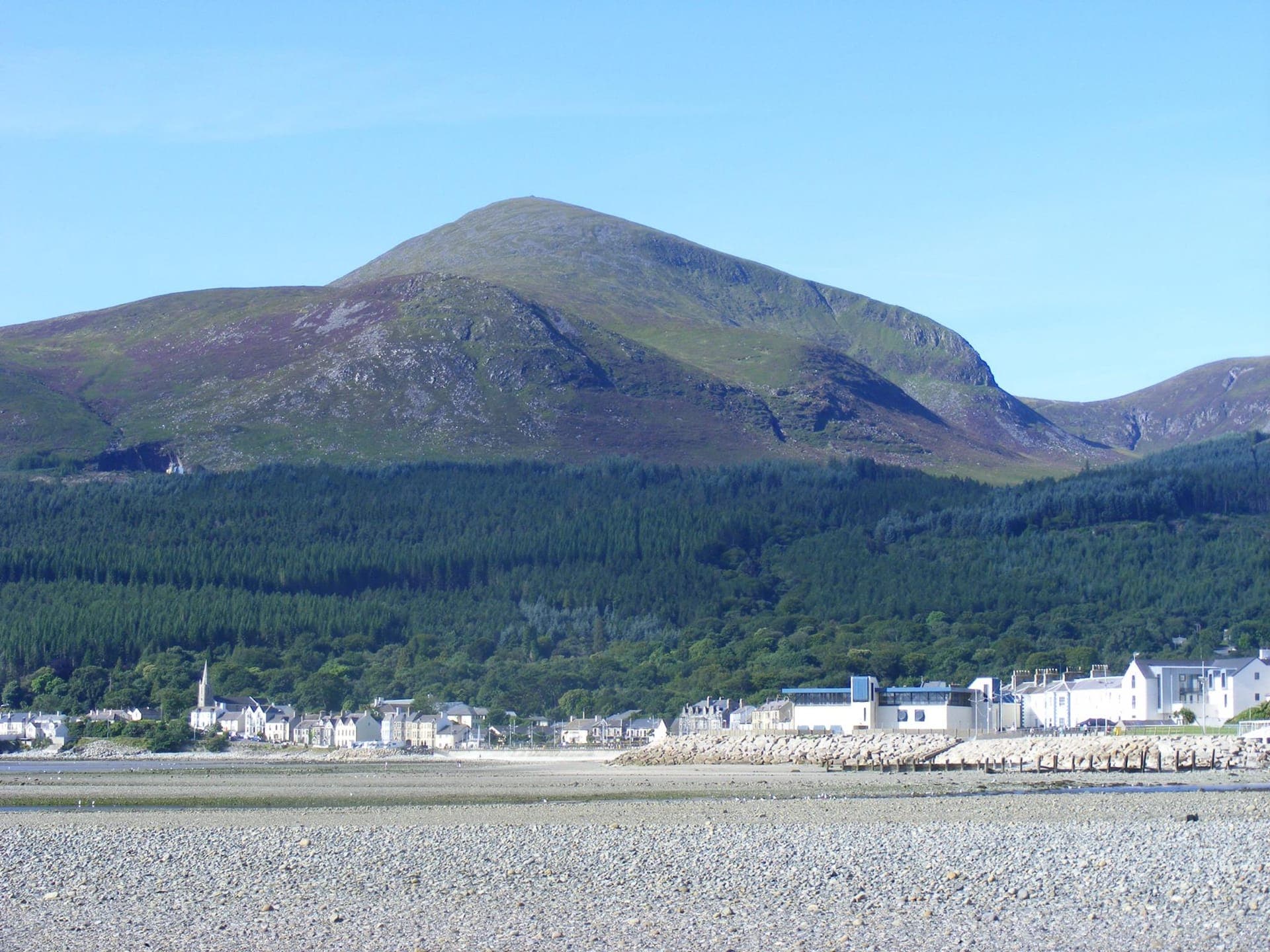
45 min - 1 hourStart slow. You have five days of obscure Mournes ahead of you, and none of it requires rushing. Grab a window table at Niki's Kitchen Cafe on the Main Street, or try the Great Eastern for a full Ulster fry with a view of Slieve Donard. Coffee, soda bread, and the morning papers. The obvious tourists will be heading for Tollymore. You're going somewhere else.
The Ice House — Castlewellan
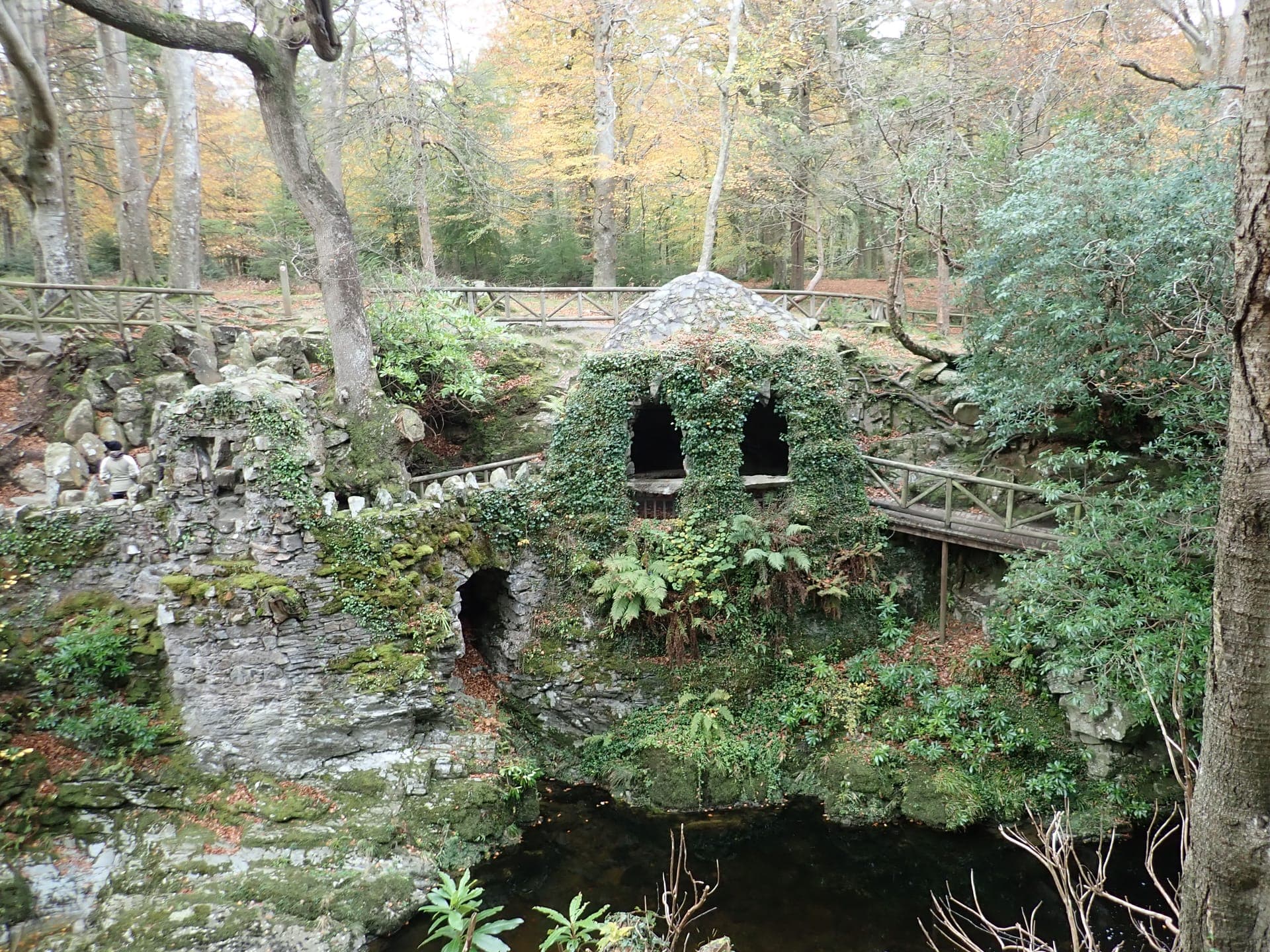
30-45 minDrive to Castlewellan Forest Park and find the ice house hidden in the hillside near the lake. Built in the early 1800s for the Annesley estate, this dome-shaped stone structure stored winter ice harvested from the lake to chill food and drink through the summer months. It looks like someone buried an igloo in the mountain. Most visitors walk past it without knowing it's there. The structure is remarkably intact — step inside and the temperature drops immediately. The engineering is simple but clever: thick stone walls, a sunken floor for drainage, and a north-facing entrance to minimise sun exposure.
The full ice house story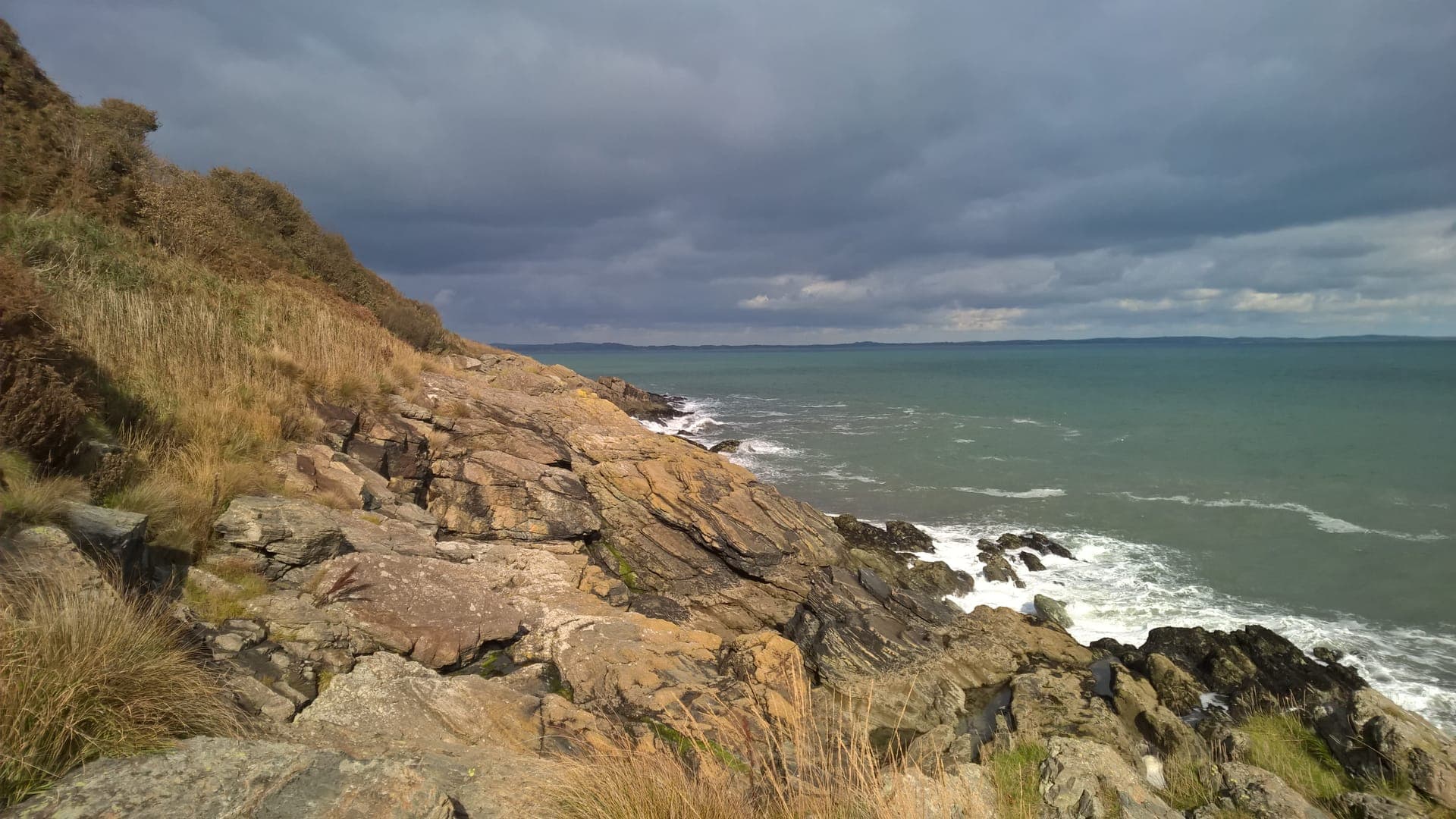
Mourne Park — Names Carved Before D-Day
1 - 1.5 hoursFrom Castlewellan, drive south towards Kilkeel and find Mourne Park (*Pairc an Mhurna*). During the Second World War, American GIs were stationed here in the shadow of the Mournes before shipping out for the Normandy landings. Before they left, many carved their names, initials, and home states into the beech trees around the camp. The carvings are still there — stretched and distorted by decades of growth, but legible. Names from Ohio, Texas, Pennsylvania. Most of these men were teenagers. Many never came home. It's one of the most quietly powerful things in the Mournes, and almost nobody visits.
The WWII trees story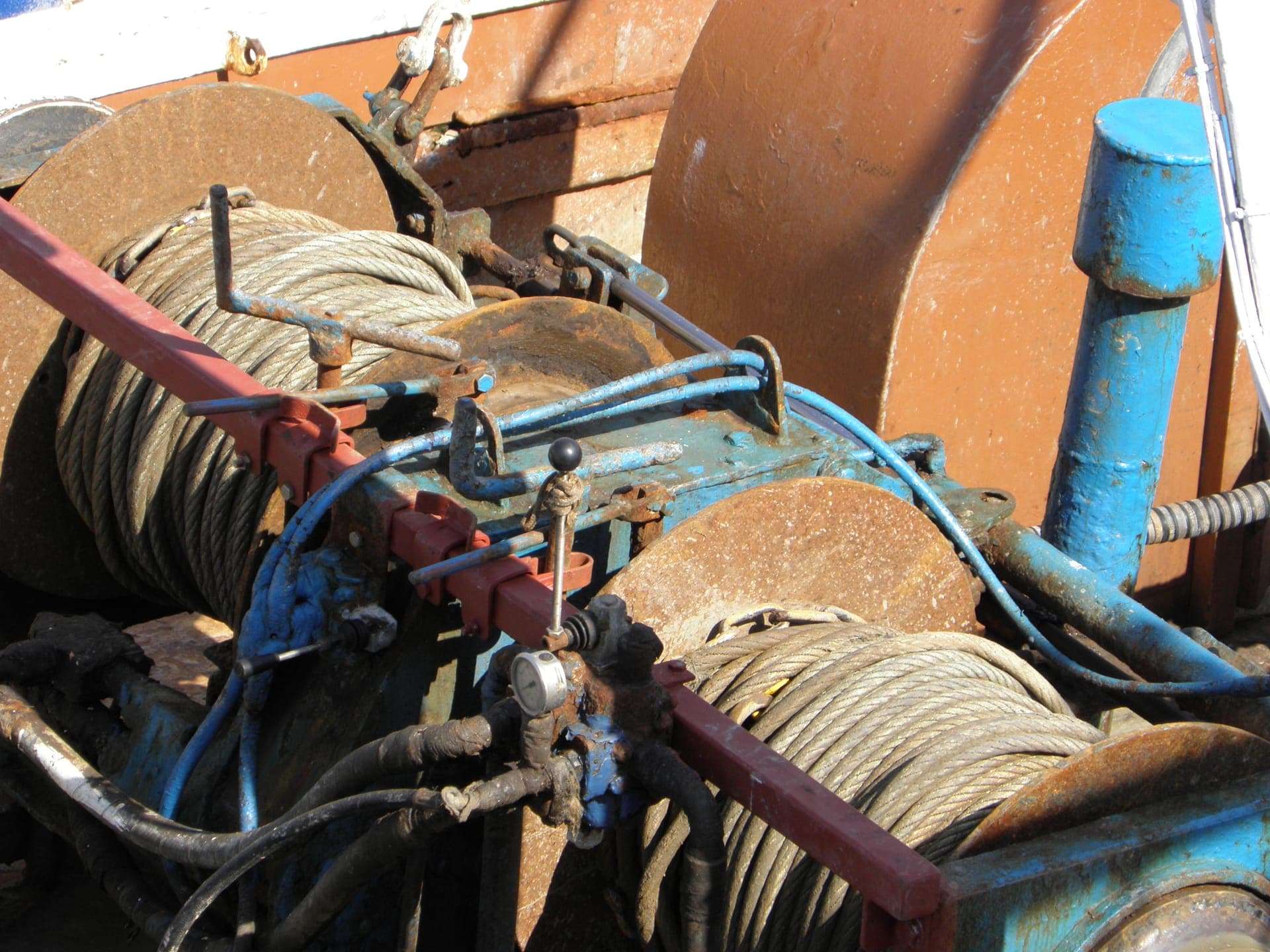
Lunch in Kilkeel
1 - 1.5 hoursHead into Kilkeel for lunch at the harbour. Try the Fisherman's Catch for fish and chips made from whatever came off the boats that morning, or sit down at a local cafe for something more leisurely. This is Northern Ireland's biggest fishing port — more than 100 boats still work from here. The food is honest, the portions are large, and the harbour is the entertainment.
Explore Kilkeel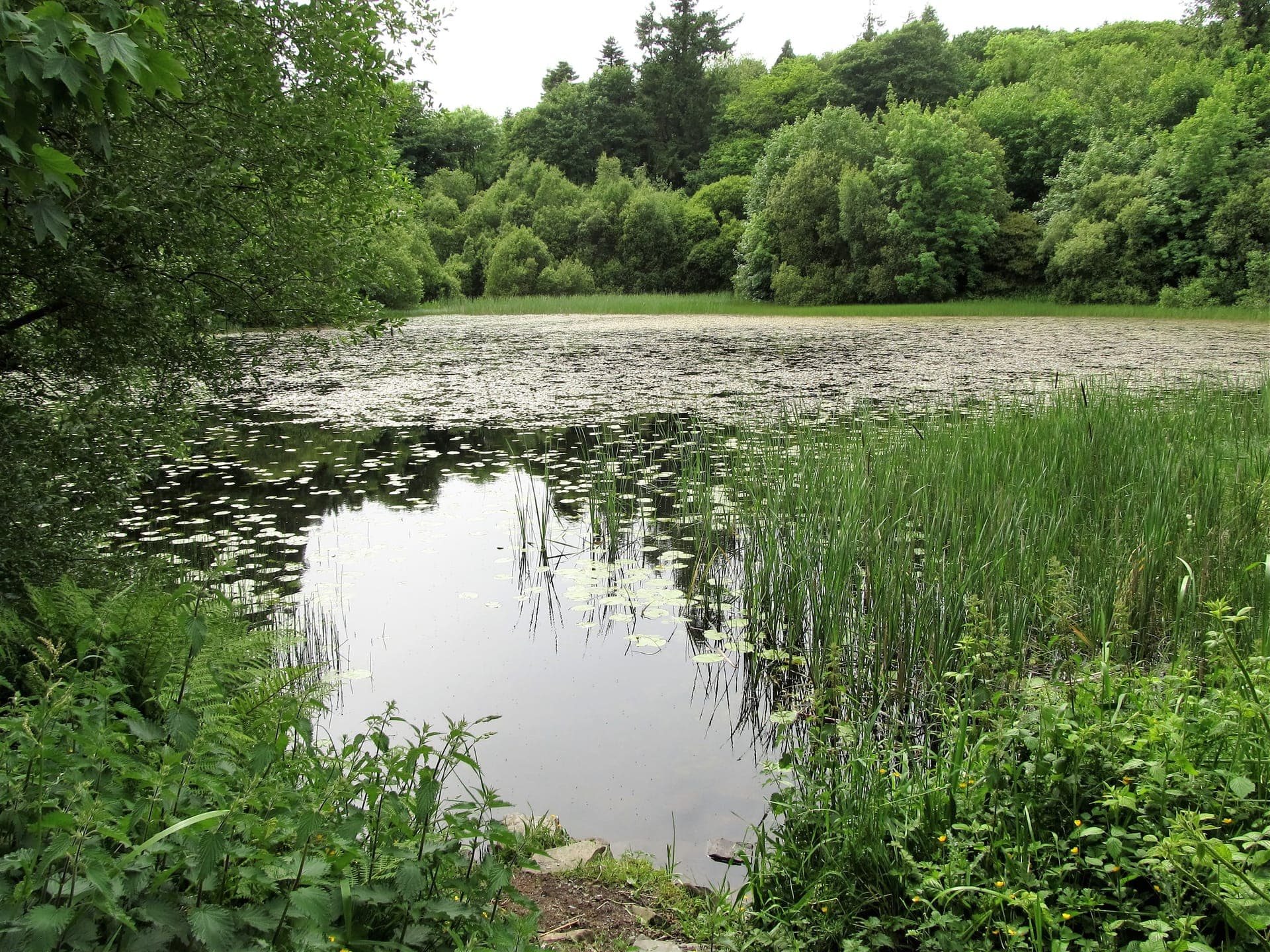
Castlewellan Lake & Forest Walk
1.5 - 2 hoursAfter lunch, return to Castlewellan Forest Park for the lake loop walk — a gentle 5km circuit that threads through the arboretum, past the Peace Maze (the world's largest permanent hedge maze), and along the lakeshore with the Mournes rising beyond the water. This is the easy day. Save your legs for Day 3. The late afternoon light on the lake is worth staying for.
Forest parks guideDinner in Newcastle
1.5 - 2 hoursBack to Newcastle for dinner. Try Briers Country House for a proper three-course meal, or keep it casual at a local pub on the Main Street — good pub food, local atmosphere, no pretension. Early night. Tomorrow involves Neolithic engineering and country lanes.
More restaurantsDay 2
Ancient Stone
Three megalithic monuments in one day — a 50-tonne capstone, the most photographed dolmen in Ireland, and a ringfort with an underground escape tunnel.
Breakfast in Newcastle
45 minFuel up for a day of ancient stones. You're going to need walking boots today — not for mountains, but for muddy fields and unmarked lanes.
Goward Dolmen — Finn's Finger
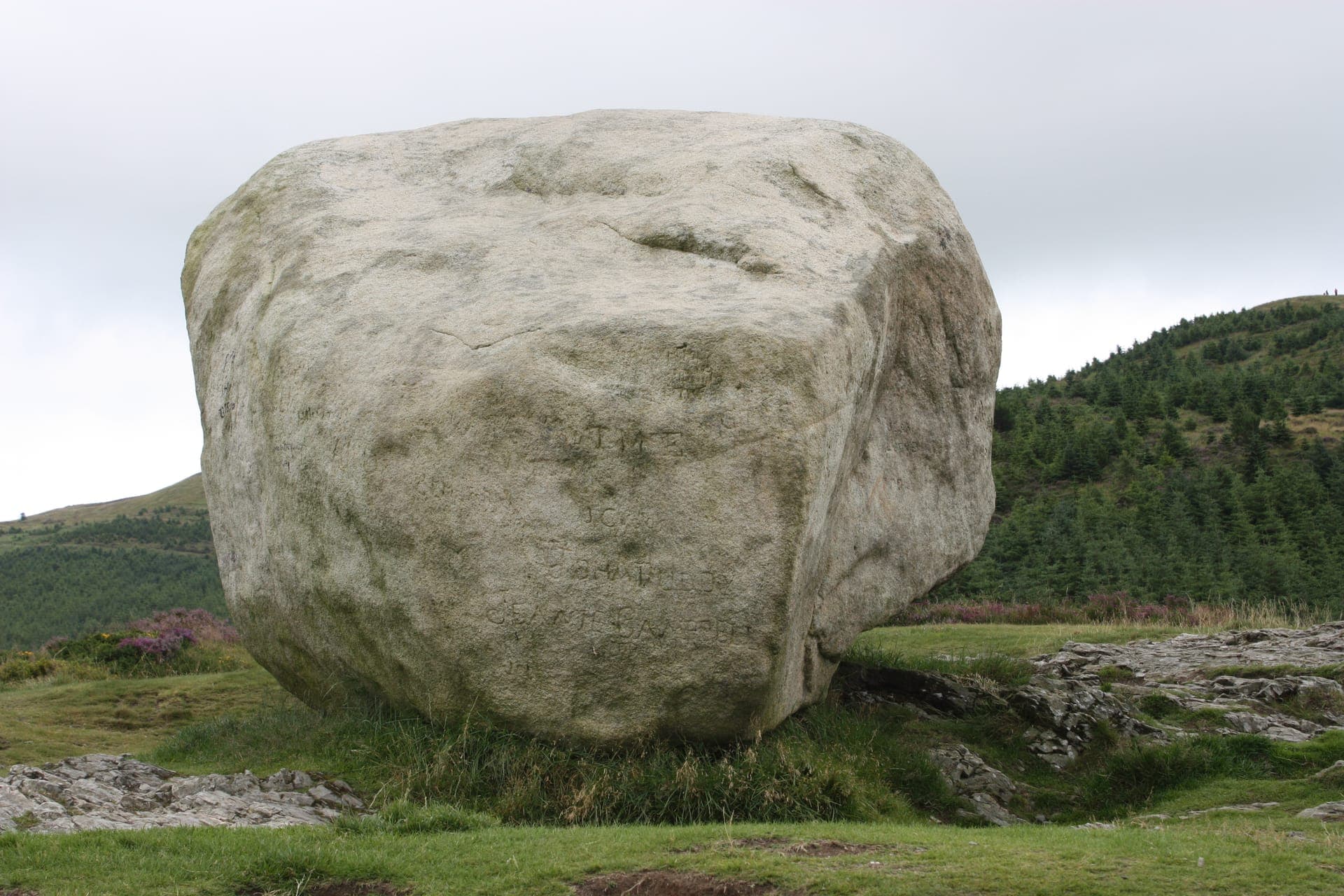
30-45 minDrive to Hilltown and follow the signs for Goward Dolmen (*Goirt*). A 50-tonne capstone balanced on upright stones in a farmer's field, sitting here for five thousand years. The locals call it Finn's Finger — named for the giant Fionn Mac Cumhaill, naturally. The scale is hard to believe until you're standing beside it. Fifty tonnes of stone, lifted and balanced by people with no metal tools and no wheels. The field is open and unsigned — look for the narrow lane off the Hilltown Road and the small clearing in the hedge. You'll likely have it to yourself.
The Goward Dolmen story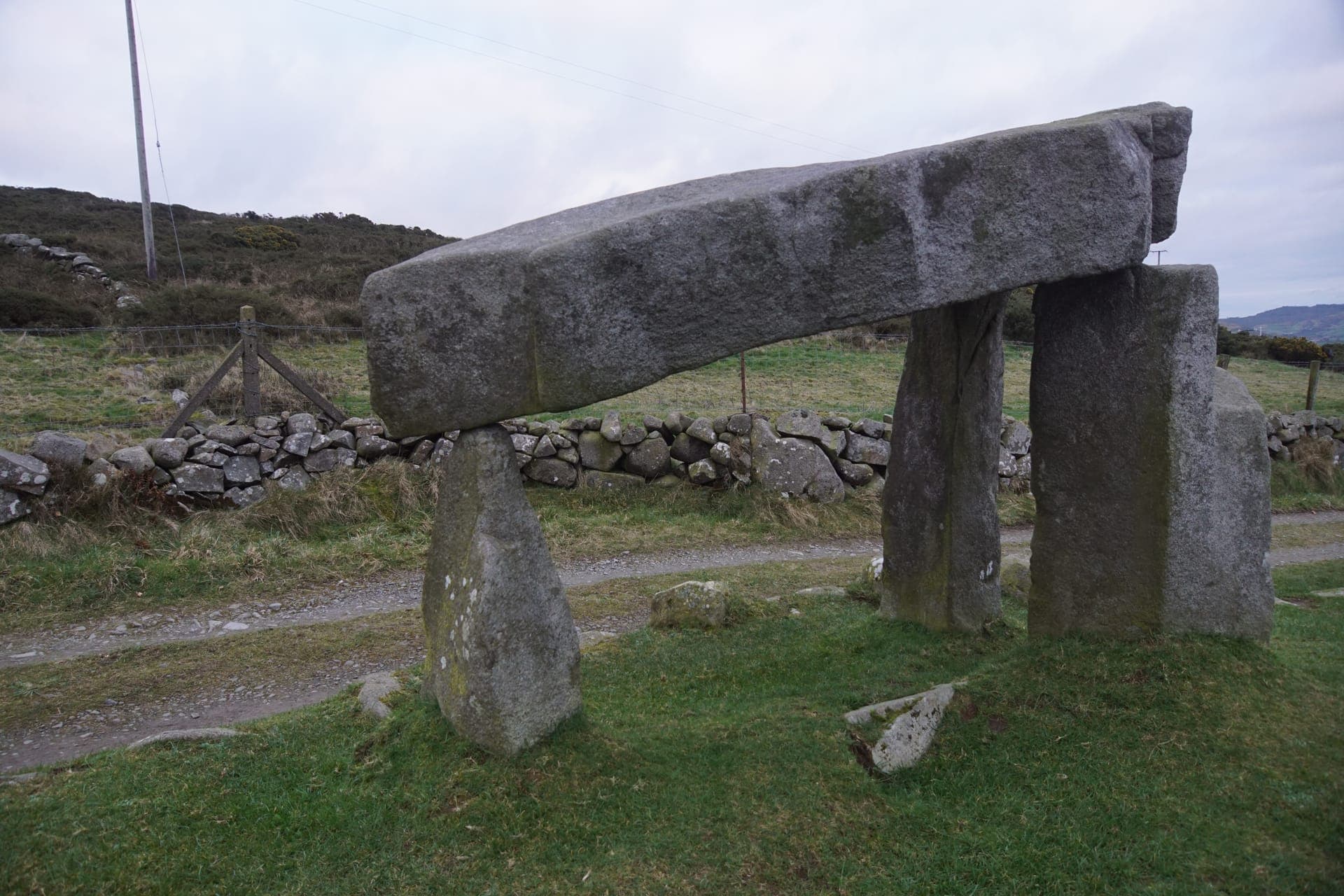
Legananny Dolmen — The Best View in Ulster
30-45 minDrive northeast to the slopes of Slieve Croob (*Sliabh Cruib*). Legananny Dolmen is a tripod portal tomb: a 3-metre capstone balanced on three impossibly slender legs, silhouetted against the entire Mourne range. This is the most photographed dolmen in Ireland for a reason. It sits on a hillside with nothing around it but fields and sky, and the view stretches from Slieve Donard to the Cooley Mountains. The road is narrow and unmarked — watch for the small brown heritage sign. Park carefully and walk 200 metres across the field.
The Legananny storyLunch in Castlewellan
1 hourLoop back towards Castlewellan for lunch. Castlewellan is a quiet market town that doesn't shout for attention. That's part of the charm.
Drumena Cashel — The Ringfort in the Fields
45 min - 1 hourFive minutes south of Castlewellan on the A25, pull off at the small layby and walk 100 metres into a field to find Drumena Cashel. A stone ringfort, roughly 1,500 years old, with walls still standing shoulder-height. Inside you'll find the remains of a souterrain — an underground passage used for storage or escape. The souterrain is intact enough to crouch through. Drumena is the best-preserved cashel in the Mournes, and on a weekday you might be the only person there. Stand inside the walls and look at the mountains. Someone stood in this same spot when the Roman Empire was falling.
The Drumena Cashel storyHilltown — Smugglers' Distribution Hub
30-45 minEnd the afternoon in Hilltown (*Baile an Chnuic*), the village where smugglers distributed their mountain-road contraband. At its peak, Hilltown had eight pubs on one street — a village of fewer than 500 people. The pubs were the distribution network. Brandy, tobacco, silk, and tea came over the mountains and went out through Hilltown's doors. Walk the street, peer into the remaining bars, and imagine the trade that kept this village alive for two centuries.
Explore HilltownDinner in Hilltown or Newcastle
1.5 - 2 hoursFor dinner in Hilltown, try the Hilltown Inn for pub grub with character. Or drive back to Newcastle and eat at the Anchor Bar on Downs Road — reliable food, sea views, and a pint of Whitewater Brewery ale if they have it on tap.
More restaurantsDay 3
Remote Mountain Loughs
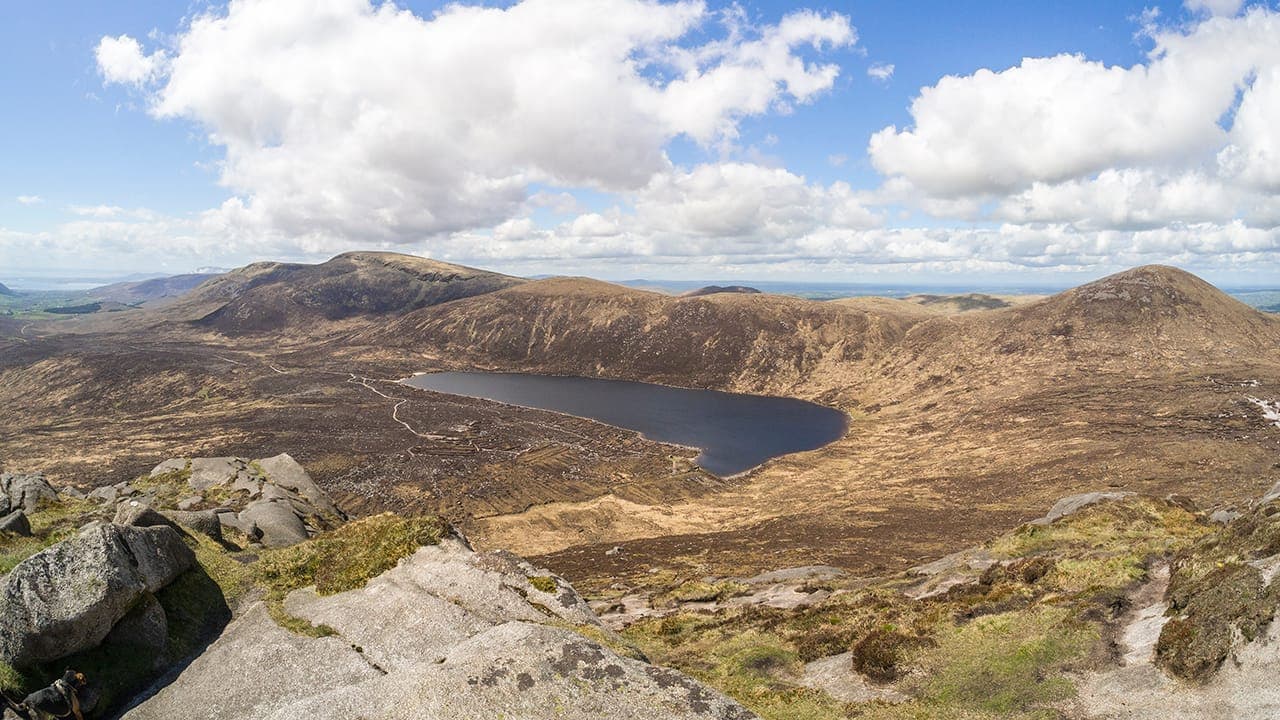
The most remote lakes in the Mournes. Fifteen kilometres of mountain walking to places most visitors never see. This is the day you'll remember.
Big Breakfast — You'll Need It
1 hourToday is the serious day. You're going to walk to the two most remote mountain loughs in the Mournes. Start with the biggest breakfast you can manage at Niki's Kitchen Cafe or the Great Eastern. Ulster fry, extra toast, extra tea. Pack a lunch — sandwiches, chocolate, flask of tea. There are no cafes where you're going. Wear proper hiking boots, waterproofs, and bring a map. This is real mountain walking.
Lough Shannagh — The Phantom Rider's Lake
3-4 hours (return)Drive to the Ott car park on the Kilkeel Road and begin the walk to Lough Shannagh (*Loch Seancháidh*). The path follows the old Leitrim River valley into the heart of the mountains. After about 5km, you'll reach the largest natural lake in the Mournes — a dark, wind-rippled expanse ringed by bare granite peaks. According to legend, a phantom rider on horseback still gallops through the mist above the water — the spirit of Sheelagh, who rode into these mountains and never returned. On a still day the silence is absolute. You'll understand why people invented stories here.
The Lough Shannagh legendPacked Lunch at the Lough
30-45 minEat your packed lunch on the shore of Lough Shannagh. There is no better lunch spot in Ireland. The water, the silence, the mountains rising on every side. Take your time. You've earned it.
Blue Lough — The Lough That Changes Colour
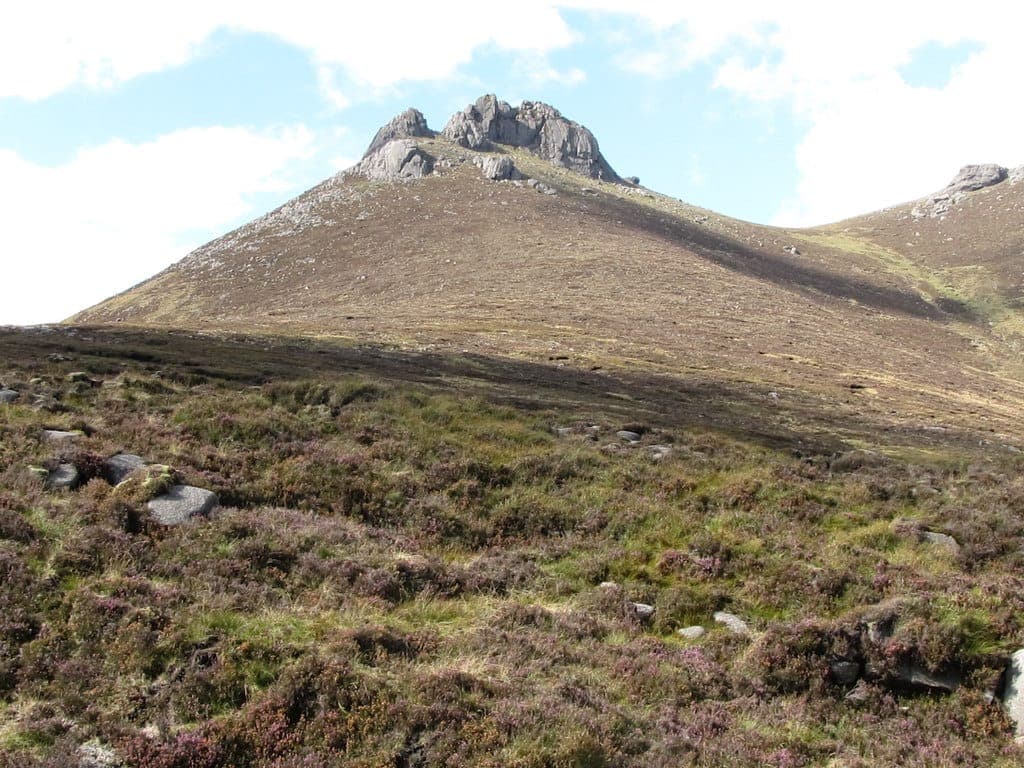
2-3 hours (extension)If you have the legs for it, continue from Lough Shannagh up and over the col to Blue Lough, tucked beneath the granite tor of Slieve Binnian (*Sliabh Binneain*). This is the lough that shifts from black to blue depending on the light and the angle of the sun. When the conditions are right — clear sky, midday sun — the water glows an improbable blue against the dark granite. It's a steep descent to reach the shore, and a steep climb back. This is the Mournes at their most dramatic and most empty. You might see a handful of other walkers. You might see none.
The Blue Lough storyDescent & Recovery
1.5 - 2 hoursReturn to the Ott car park via the same route or loop via the Mourne Wall if conditions allow. Your legs will know they've worked. The car park has never looked so welcoming. Drive back to base.
Recovery Dinner
1.5 - 2 hoursYou've walked 15-20km through remote mountain terrain. You deserve a proper dinner. Try Briers Country House in Newcastle for a three-course meal, or Villa Vinci on the Main Street for Italian comfort food. Carbs, protein, and something sweet. You've earned every calorie. Tomorrow is gentler.
More restaurantsDay 4
Engineering & Illusion
A gravity hill, a tunnel bored through solid granite, and the valley that fell silent. The human stories behind the landscape.
Leisurely Breakfast
1 hourYour legs are stiff from yesterday. Take it easy. Today is a driving day with short walks — the Mournes' engineering marvels and one very strange hill.
Spelga Magic Hill — Where Cars Roll Uphill
15-20 minDrive south from Newcastle on the B27 towards Spelga Dam. Just before you reach the dam, there's a stretch of road where the landscape plays a trick on your brain. Stop the car, put it in neutral, and release the brake. The car rolls *uphill*. Or at least it looks that way. It's a gravity hill — an optical illusion created by the surrounding terrain tilting your sense of horizontal. The locals have argued about this road for decades. Physics says it's an illusion. Stand on the road and tell your brain that. It won't listen.
The Magic Hill storySpelga Dam Viewpoint
15-20 minContinue to Spelga Dam itself. This is the highest road in the Mournes, and the viewpoint beside the dam gives a 360-degree panorama across the range. On a clear day you can see the Isle of Man to the east and the Mountains of Cooley to the south. The dam was built in the 1950s to supplement Belfast's water supply. The car park is often empty. The sheep outnumber the people.
Binnian Tunnel — The Men Who Tunnelled Under a Mountain
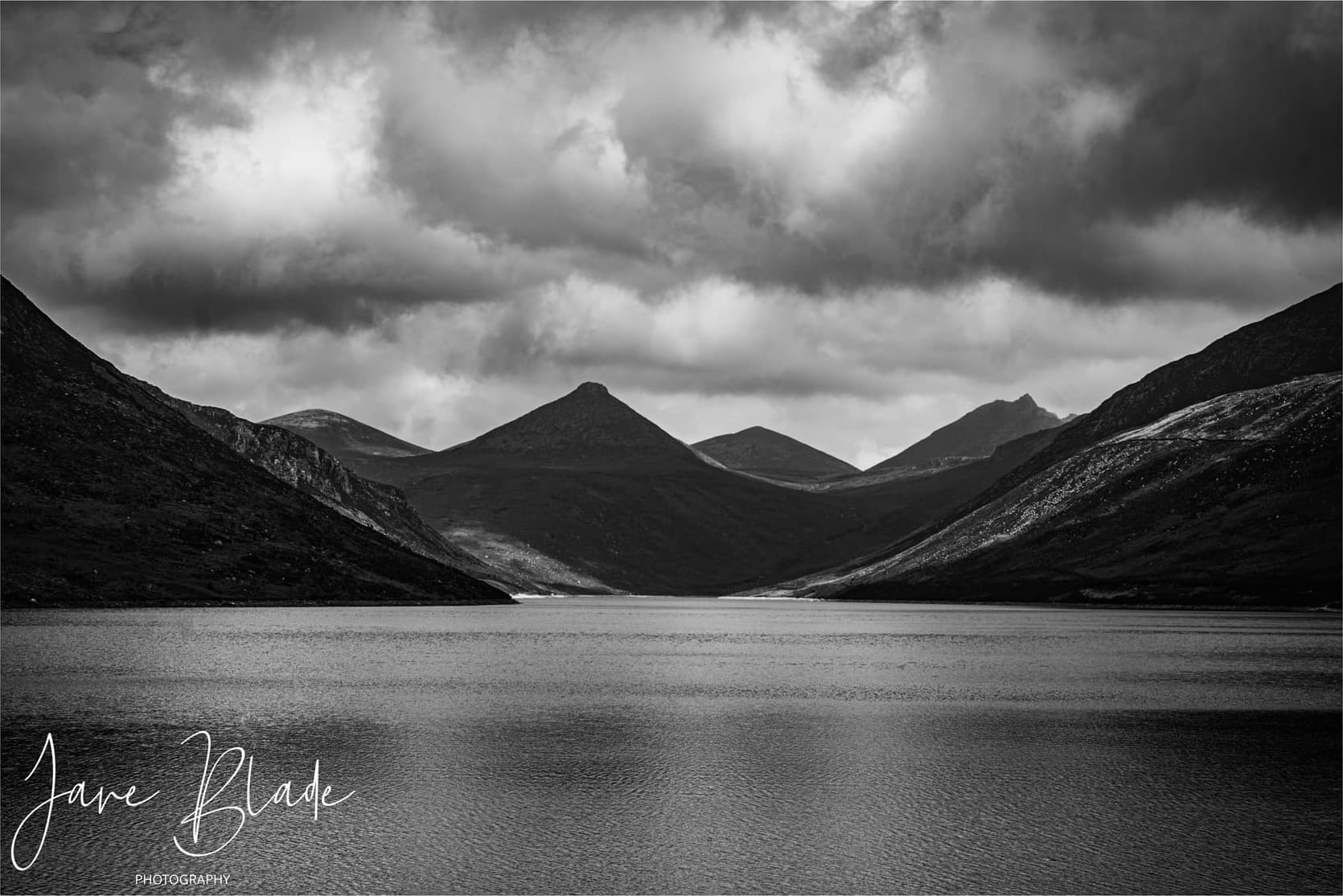
1.5 - 2 hours (walk included)Drive down to the Silent Valley car park and walk to the Ben Crom reservoir. Along the way, you'll pass the entrance to the Binnian Tunnel — a 2.5km tunnel bored through solid granite beneath Slieve Binnian between 1947 and 1951. A hundred and fifty men worked underground for four years to connect the catchment areas. The tunnel entrance is gated but visible. Stand there and think about the men who walked into this mountain every morning with hand drills and dynamite. Above them, one of the most beautiful mountains in Ireland. Below them, nothing but granite and darkness.
The tunnel storyLunch at Silent Valley
1 hourThe Silent Valley visitor centre has a cafe serving hot soup, sandwiches, and baked goods. Eat overlooking the reservoir with the Mourne Wall climbing the peaks above you. If the cafe is closed, there are picnic tables with possibly the best view of any lunch spot in the country. The valley earned its name during construction — a thousand workers, ten years of blasting, and then silence. The silence is still there.
The Silent Valley story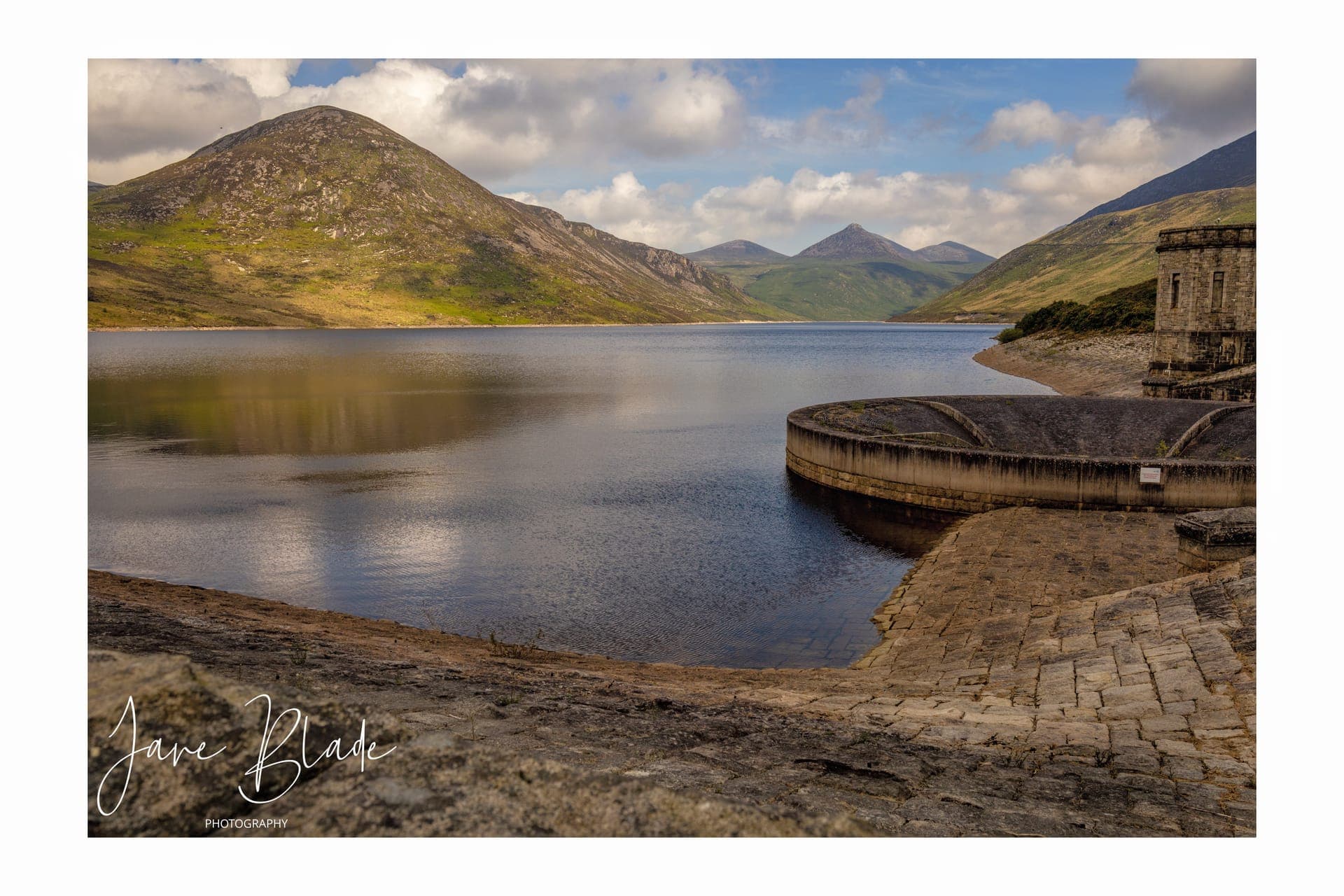
Silent Valley Reservoir Walk
1.5 - 2 hoursWalk the circuit around the Silent Valley reservoir. The path is well-maintained, mostly flat, and loops through the valley floor with the Mourne Wall visible on the ridgelines above. The wall crosses 15 summits in an unbroken 22-mile line — built entirely by hand between 1904 and 1922 to protect Belfast's water supply. This is where the scale of the wall really hits you. It runs up and over mountains that most people would struggle to climb without a wall on their back.
Dinner in Kilkeel
1.5 - 2 hoursDrive down to Kilkeel for dinner. The Kilmorey Arms Hotel serves generous portions, or try a harbour-side restaurant for something more contemporary. Kilkeel's fishing fleet brings in prawns, crab, and lobster daily — whatever you order, it was probably in the sea this morning. Tomorrow you head for holy wells and hidden coastline.
Day 5
Sacred Wells & Forgotten Coast
Pilgrims' wells, a Norman castle, and the empty beaches of Minerstown and Tyrella. The week ends where the land meets the sea.
Breakfast in Downpatrick
45 min - 1 hourDrive to Downpatrick (*Dun Padraig* — Patrick's fort) for your final day. Breakfast at Denvir's on English Street — a coaching inn that's been serving travellers since 1642. Or try Daily Grind for something quick and modern. Today starts with holy water and ends with hidden beaches.
Explore DownpatrickStruell Wells — The Wells They Visited at Midnight
45 min - 1 hourTwo miles east of Downpatrick, in a sheltered valley hidden from the road, sits one of the strangest sites in Ireland. Struell Wells (*Sruthail*) is a complex of holy wells, two stone bathhouses, and a ruined church. For centuries, hundreds of pilgrims gathered here on Midsummer Eve to walk the stations and bathe in the ice-cold spring water by candlelight. The bathhouses are roofless now but structurally intact — separate ones for men and women, with stone-lined plunge pools fed by underground springs. The Drinking Well and the Eye Well are still flowing. The water is clear and cold. The valley feels enclosed and secret, even on a bright day. This is pre-Christian Ireland with a Christian veneer, and it's almost always empty.
The Struell Wells storyGreencastle — The Castle That Guarded Two Kingdoms
30-45 minDrive south to Greencastle (*An Caisleán Glas*) on the shore of Carlingford Lough. The ruins of a 13th-century royal castle, built by Hugh de Lacy around 1230 to guard the lough entrance. Four storeys of stone still stand. Edward Bruce attacked it in 1316. Look across the water — Carlingford Castle on the Republic side stares back at you. Two fortresses built by rival Norman lords, watching each other across the lough for nearly 800 years. Free to visit. Rarely crowded. The views from the castle walls across to the Cooley Mountains are worth the drive alone.
The Greencastle storyLunch in Annalong or Kilkeel
1 - 1.5 hoursHead back along the coast for lunch. Stop at Annalong harbour for the Halfway House, or continue to Kilkeel for the Fisherman's Catch on the harbour. Your last Mourne harbour lunch. Make it count — fresh fish, a view of the boats, and the mountains behind you.
More about Annalong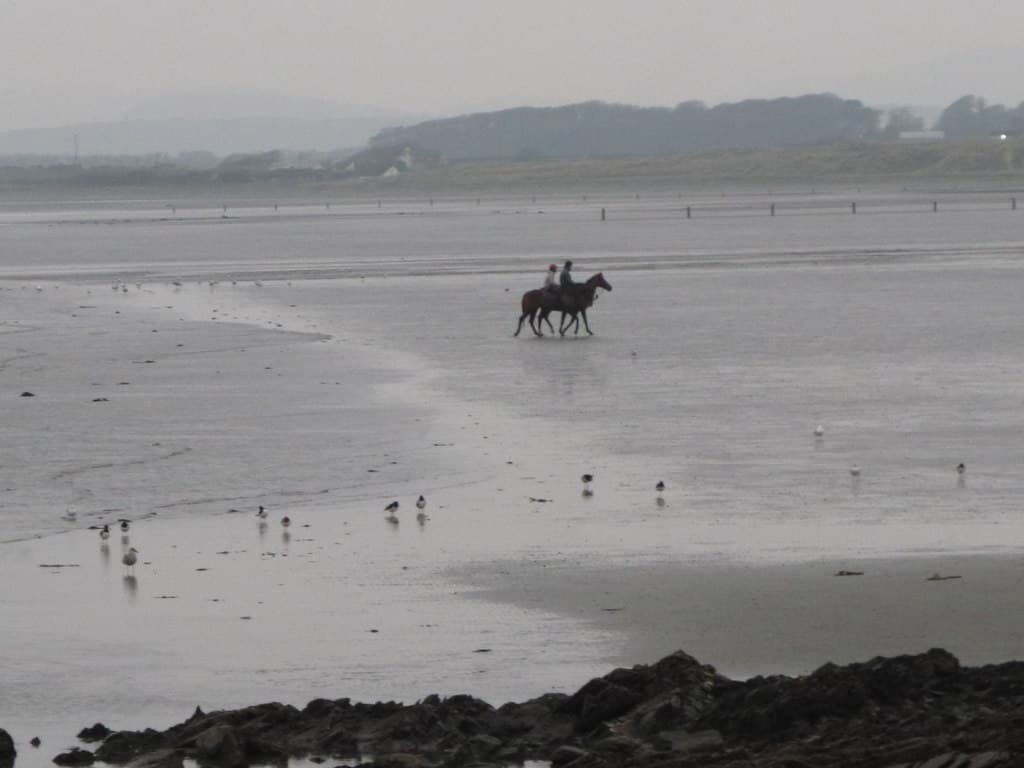
Minerstown Beach — The Beach Nobody Mentions
45 min - 1 hourDrive north along the coast towards Dundrum and take the turn for Minerstown. This is a long, wild strand backed by dunes, facing east across the Irish Sea. No cafes. No ice cream vans. No lifeguards. Just a sweep of sand, marram grass, and the sound of waves. On a weekday you'll likely have it to yourself. The beach runs for over a mile and connects with the wider Tyrella dune system. Bring a towel if you're brave enough to swim — the water is cold year-round, but the hardier locals swear it's worth it.
Tyrella Beach — The Hidden Giant
45 min - 1 hourContinue to Tyrella Beach, a vast expanse of sand backed by Murlough Nature Reserve. Tyrella is one of the largest beaches in Northern Ireland but gets a fraction of the visitors that Newcastle or Portrush attract. The Mourne Mountains are visible to the south, rising behind the dunes. Walk along the tide line, watch the oystercatchers, and let the week settle. This is the Mournes at their quietest — no castles, no history, just sand and sea and mountains on the horizon.
Beaches guideFinal Dinner — Newcastle
1.5 - 2 hoursReturn to Newcastle for your last dinner. Try the Percy French in the Slieve Donard Resort for something special to end the week, or the Anchor Bar for a casual farewell with a pint and a sea view. Five days. Twelve hidden gems. Zero crowds. You've seen a Mourne Mountains that most visitors never find. The obvious stuff will still be there next time — but now you know what's behind it.
More restaurantsInsider Tips
Day 3 is serious mountain walking (15-20km). Bring proper boots, waterproofs, a map, and don't attempt it in poor visibility. The Blue Lough extension is optional — Lough Shannagh alone is extraordinary.
Base yourself in Newcastle or Kilkeel for the week. Both are central to all five days of driving. Newcastle has more restaurant options; Kilkeel has the harbour atmosphere.
Legananny Dolmen photographs best in the morning when the sun is behind you and the Mournes are lit. Struell Wells is most atmospheric on a misty morning.
The ancient sites (Goward, Legananny, Drumena) have small or unmarked lanes. Download offline maps before you go — mobile signal is patchy in the countryside.
Pack a lunch for Day 3 — there are no facilities near Lough Shannagh or Blue Lough. A flask of tea has never tasted better than it does beside a remote mountain lough.
This itinerary works best May to October. The mountain loughs are harder to reach in winter, and some ancient sites are in fields that get waterlogged. Silent Valley is open year-round.
Weekdays are better. Most of these hidden places are empty even on weekends, but during the week you'll often have Goward Dolmen, Struell Wells, and Minerstown Beach entirely to yourself.
The Spelga Magic Hill illusion works best if you approach from the Newcastle side (B27 south). Park on the slight incline before the dam and release the brake. Trust the process.
More Itineraries
Explore more ready-made trip plans for the Mourne region
Stories Along This Route
Discover the tales woven into the places you'll visit.
Ready to Find the Hidden Mournes?
Get practical information on getting here, where to stay, and everything you need for a week of exploration.
Plan Your Trip